

EFA General Assembly in Austria: Driving the Future of Training
The European Driving Schools Association recently concluded its high-profile meeting in Spielberg, Austria, hosted by WKO, the Austrian Driving Schools Association. The summit served as a pivotal platform for outlining the federation’s strategic roadmap, emphasizing research, development, and international networking. Key discussions focused on the latest European driving license directives and the progress of the TRUST project, alongside new Erasmus+ initiatives.
A significant portion of the assembly was dedicated to innovation, with a special focus on integrating Artificial Intelligence into driver training to enhance safety and efficiency. The association also reached major institutional milestones, welcoming Lithuania, Moldova, and Poland as full members, while expanding its network with new associate members like Anglat and Guidosimplex.
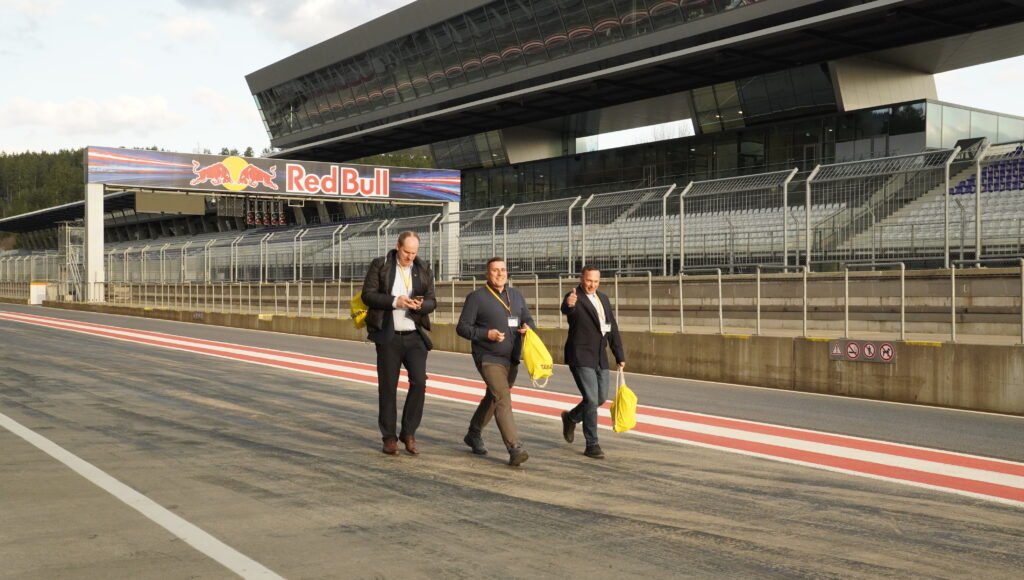
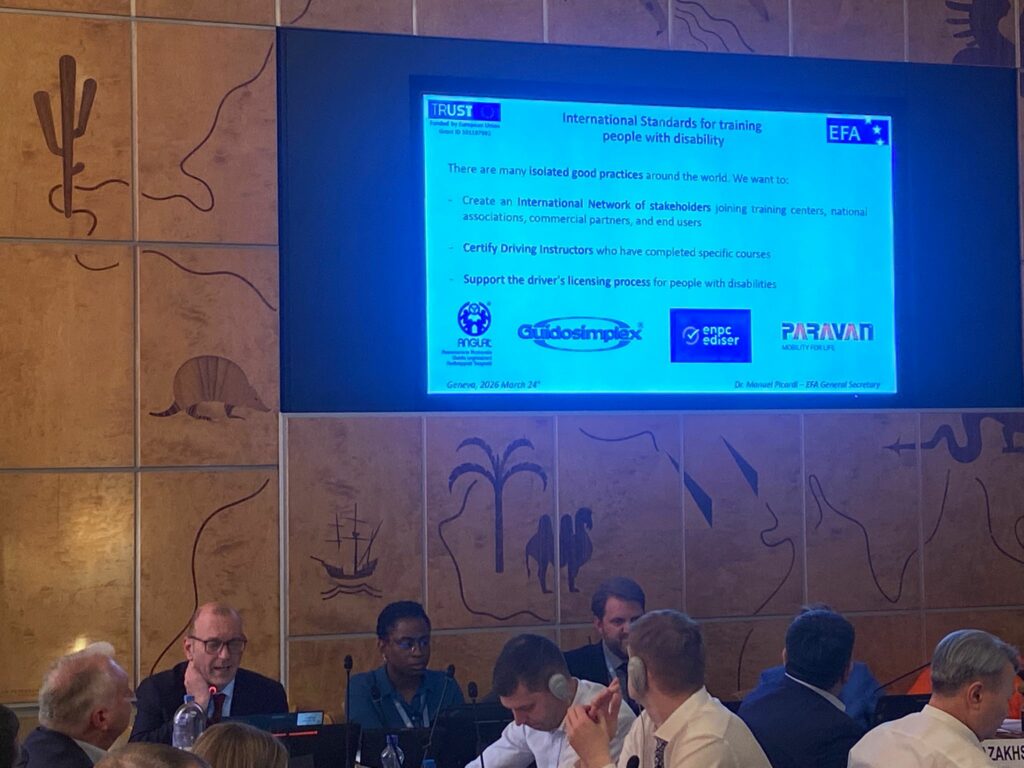
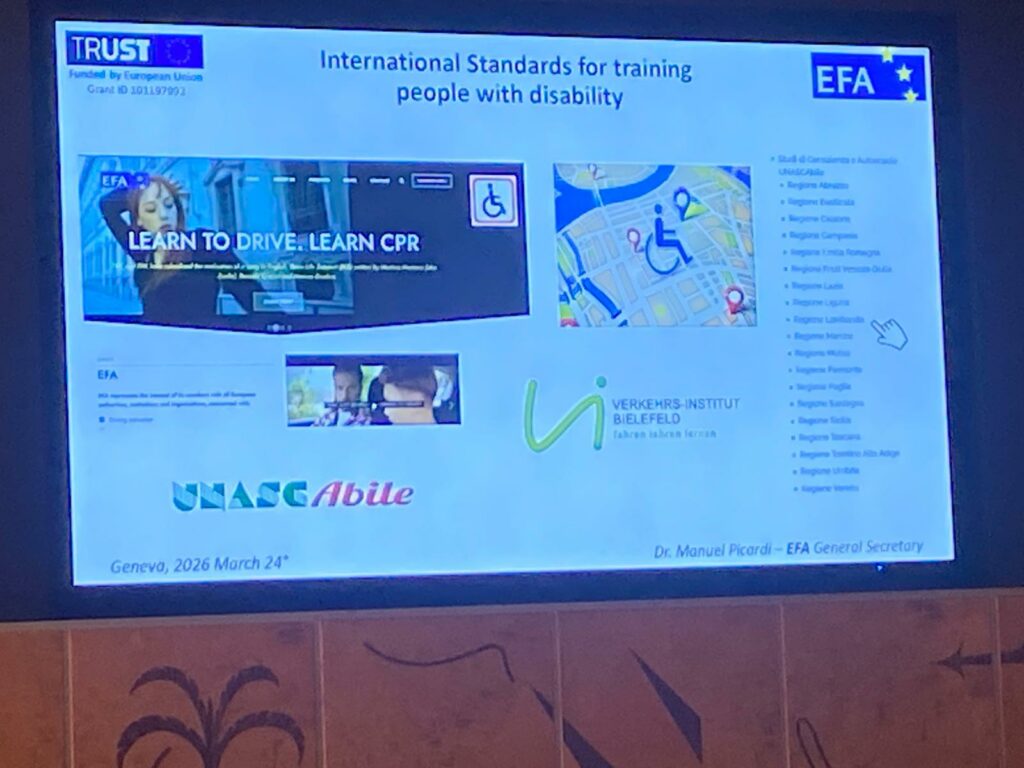
Furthermore, the EFA reinforced its commitment to inclusivity by working on international standards for teaching people with disabilities. The event concluded with an engaging practical session at the Red Bull Ring circuit, where participants put the latest training theories into practice.
See you in Slovakia on October 2026!




Enrique Lorca EFA President
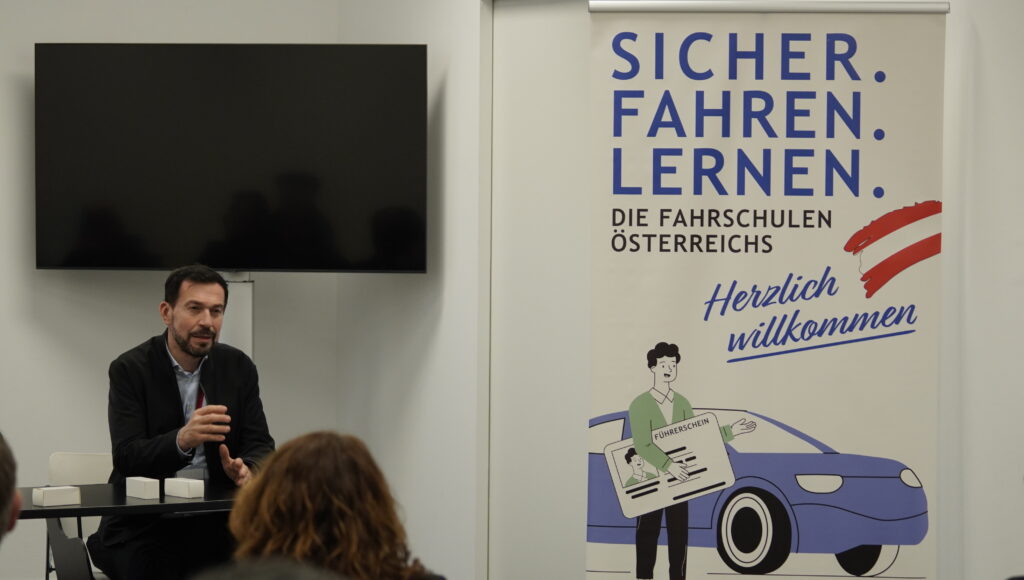
Stefano Ebner 2nd vice President
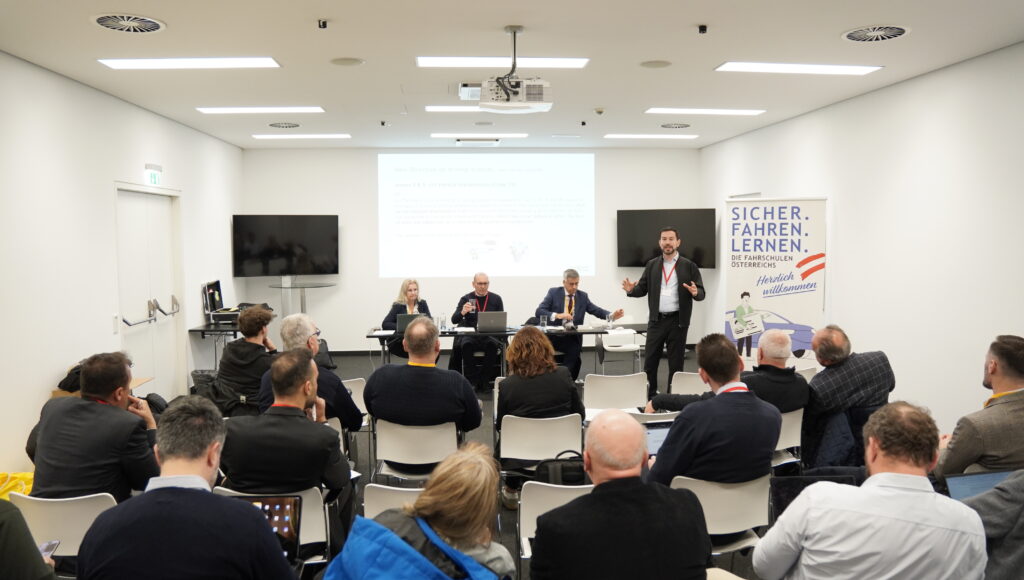
Link of the video of the event
https://drive.google.com/file/d/1iz9CSFSuQzJ-e_4ycNx6cw3SM1JKwX8O/view
Italian Driving Instructors become Life-Savers: The First BLSD Instructor Course for UNASCA
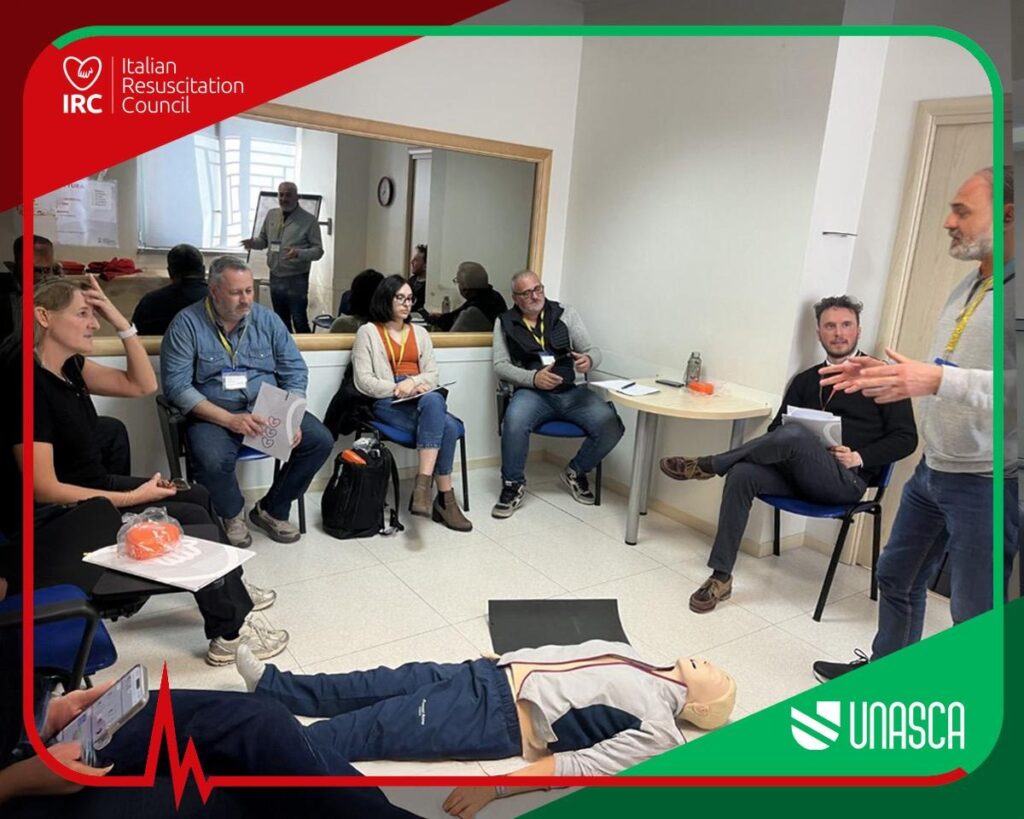
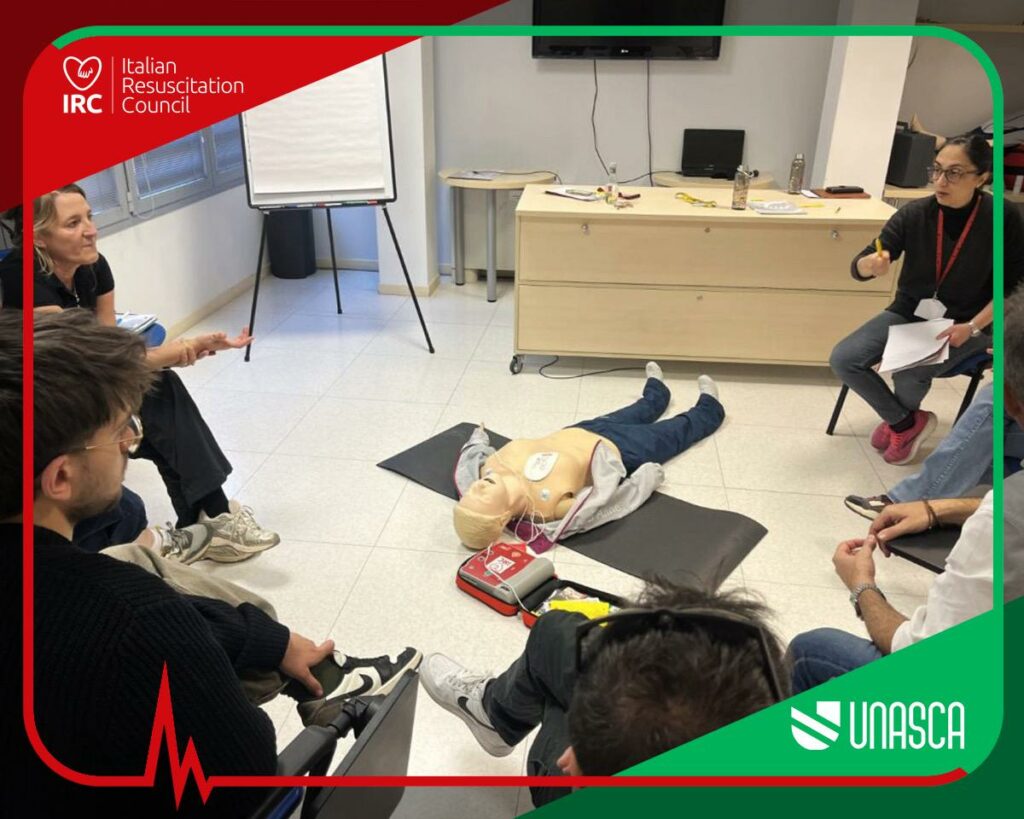
BOLOGNA, Italy – A significant milestone for road safety and public health was reached on March 28th at the headquarters of the IRC (Italian Resuscitation Council). In a pioneering initiative, driving instructors from UNASCA (the leading association for Italian driving schools) completed the first-ever Lay BLSD (Basic Life Support and Defibrillation) Instructor course.
This certification marks the final step in a specialized training path. These instructors are now officially authorized to train aspiring drivers in life-saving techniques during their standard driver’s license courses.
Alfredo Boenzi, National Secretary of UNASCA, emphasized the uniqueness of the project: “This is the first experience in Italy where driving instructors have been trained as BLSD trainers. We now challenge other countries to follow our lead by organizing similar courses with their respective national associations of resuscitation doctors to spread a culture that merges road safety with public health.”
Aligning with the New EU Driving License Directive
The project, supported by both UNASCA and the EFA, aligns perfectly with the recent updates to the EU Driving License Directive. The new regulations introduce a vital alternative for students: rather than simply answering theoretical questions about first aid during the written exam, they may instead complete a practical first aid course.
The ambition is to move beyond theory and into life-saving practice. Boenzi concluded with a call to action for national authorities: “We hope the Italian Ministry of Transport will be the first to implement the new directive, particularly regarding the possibility of certifying students as BLSD providers during their theoretical driving course.”
By transforming driving schools into hubs for health education, Italy aims to ensure that the next generation of drivers is not only skilled behind the wheel but also prepared to save lives in the event of an emergency.


EFA Showcases Future of Driver Training at UNECE WP.1 Event
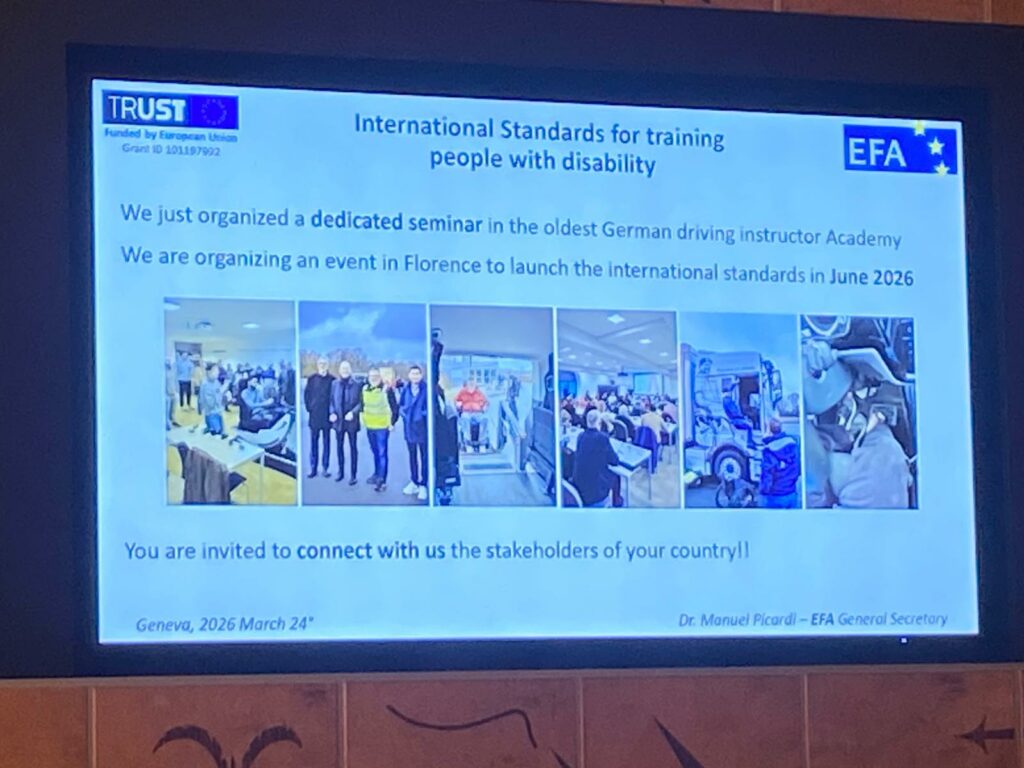
On March 24th and 25th, the European Driving Schools Association (EFA) took center stage at the semi-annual UNECE WP.1 event, presenting its latest advancements in driver education. The association’s General Secretary, Dr. Manuel Picardi, delivered a comprehensive presentation highlighting the pivotal activities that have defined EFA’s mission in recent months. The discussion focused on three strategic pillars: the ongoing developments regarding the new Driving License Directive, the significant progress in International Certification for driving instructors, and the emerging challenges in promoting inclusive training for people with disabilities.
The presentation resonated strongly with the international delegates, sparking a high level of curiosity and engagement among the participants. By sharing these insights, EFA reaffirmed its role as a key contributor to global road safety standards and professional development. The interest shown by the audience underscores the importance of EFA’s current projects in shaping a more modern, certified, and inclusive framework for driver training across Europe and beyond.

Next steps towards “Vision Zero”
Every year, EU roads record nearly 20,000 deaths and 100,000 serious injuries, causing immense human suffering and permanent life changes for victims and families. Beyond the tragic human cost, road crashes impose a significant economic burden, estimated at 2% of the annual EU GDP. Improving road safety is therefore a pillar of economic competitiveness, as it ensures the efficient movement of goods and labor across all sectors. The transition to safer mobility also supports the EU’s industrial leadership by driving innovation in advanced safety technologies and vehicle connectivity. These investments create high-skilled jobs and maintain a competitive edge in the global automotive market while safeguarding critical infrastructure. The EU Road Safety Policy Framework 2021-2030 aims to halve road deaths by 2030, working toward the “Vision Zero” goal of eliminating fatalities by 2050. This strategy follows a “Safe System” approach, focusing on safer roads, vehicles, and road use, with a particular emphasis on protecting vulnerable users. Read the full report here
Speed and speeding – EU Thematic Report
Driving at excessive or inappropriate speed is a major threat to safety on the road. It is estimated that 10 to 15% of all crashes and 30% of all fatal crashes are the direct result of speeding or inappropriate speed.
The faster someone is driving, the higher the risk of a crash, but also the higher the severity of the crash and the probability that the crash is fatal. If pedestrians are hit by a car driving at 30km/h they have 90% chance to survive, whereas when the car drives at 50km/h this percentage reduces to 20. Download the report
Single vehicle crashes – EU Facts & Figures
In the EU in 2023, 6,621 people were killed in a single vehicle crash.
The number has increased by 1% in the last decade and amounts to 36% of all road fatalities. The mortality rate (the number of single vehicle road fatalities per million inhabitants) is high in parts of Eastern Europe and Southern Europe. The share of single vehicle fatalities within all road fatalities is widespread across Europe and is highest in Southern and Western and Northern Europe. Download the report
ETSC online event on improving the safety of cycling in Europe
On 21 April 2026 – 10.00-12.45 CEST the European Transport Safety Council (ETSC) invites you to an online event that will focus on improving the safety of cycling in Europe.
This PIN Talk will present the most up to date data on cycling deaths and serious injuries found in the PIN report on cycling safety to be published on the day.
There will also be presentations from the European Commission (invited) on EU cycling policy as well as good practice examples of how to improve cycling safety from the Netherlands, Belgium, Denmark and Sweden. The European Cycling Federation will present their guide to EU funding for cycling and Lithuania will share its experiences of using EU funds for cycling infrastructure improvements.
To register for the event please click here