Empowering Mobility: EFA Launches International Network for Disability Training in Bielefeld
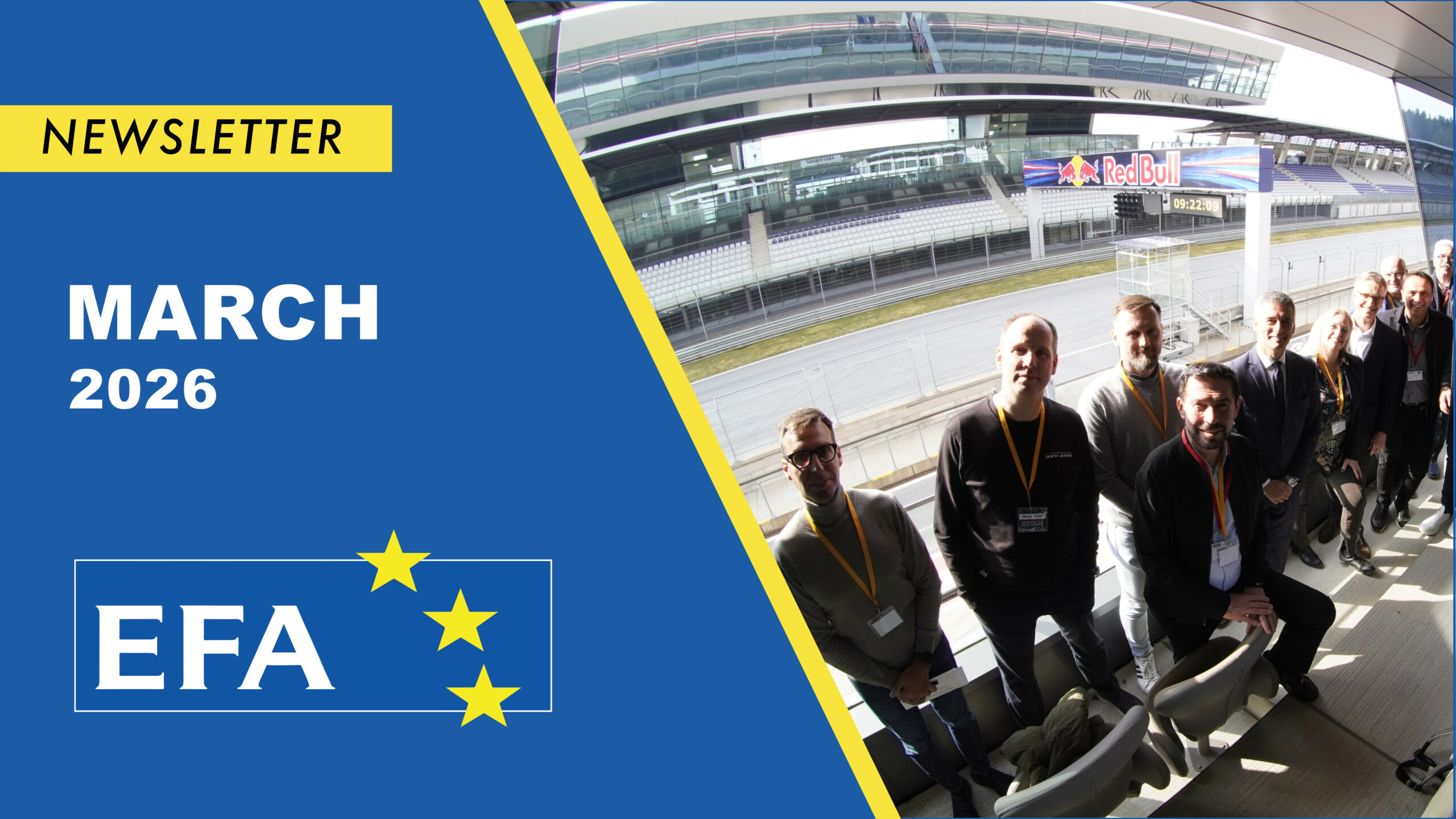
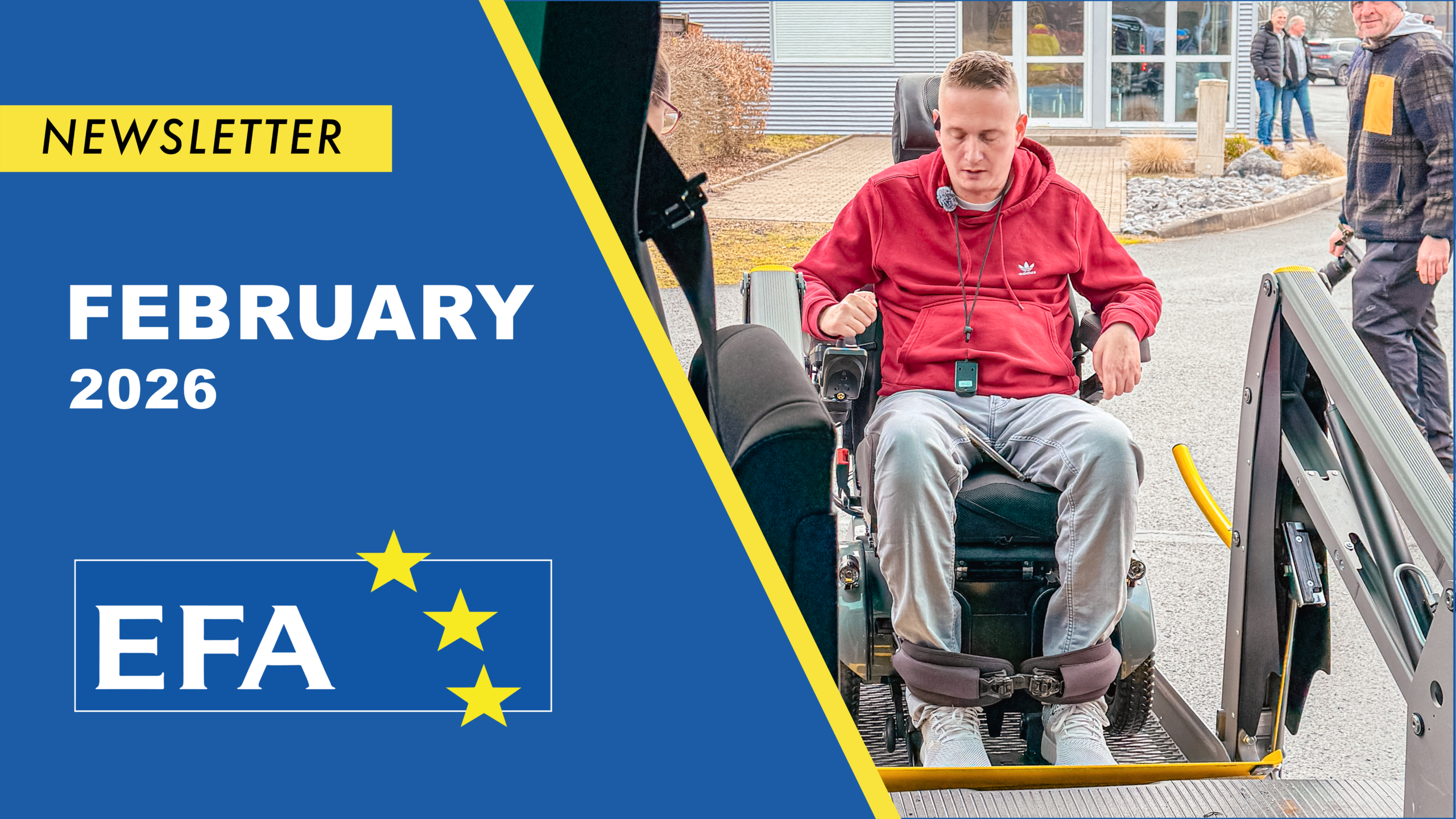
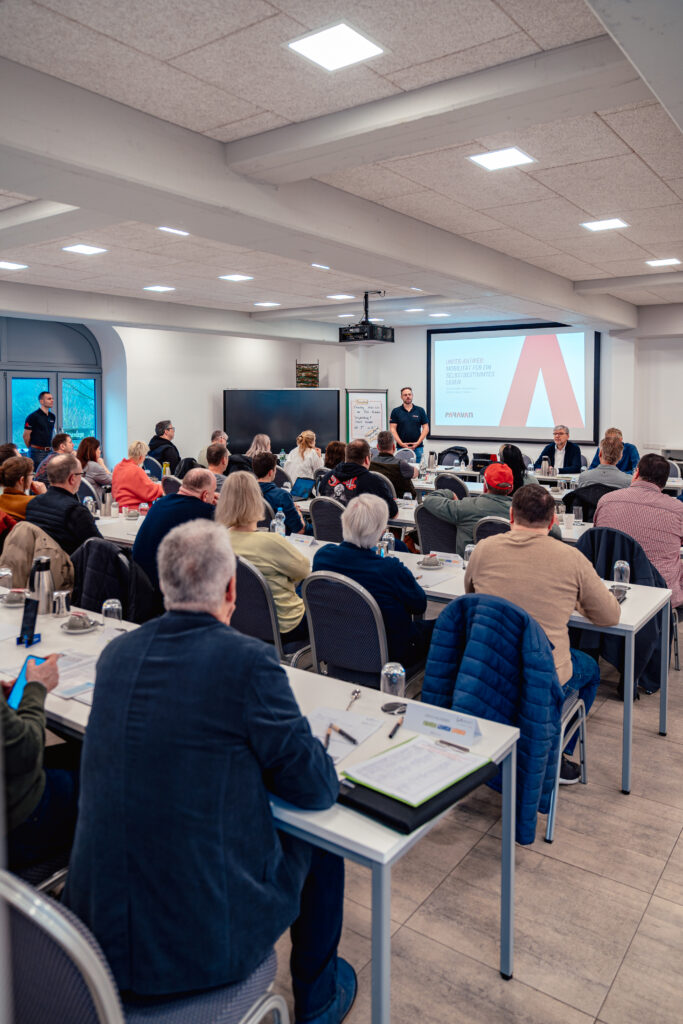
The European Driving Schools Association (EFA) has officially taken a major step toward a more inclusive future. From February 23rd to 25th, 2026, the Verkehrs-Institut in Bielefeld (DE) http://www.verkehrs-institut.de/, hosted a landmark seminar dedicated to training drivers with physical impairments. This event marks the beginning of a strategic EFA initiative: the creation of a permanent international network to support driving instructors specializing in disability training.
A Legacy of Expertise
Building on a 20-year German tradition, the “Foundational Seminar – Driving Aptitude” has evolved from a local course into a comprehensive modular program. The Bielefeld event brought together a multidisciplinary team of experts, including medical specialists, lawyers, and technical engineers, to cover everything from medical fundamentals and legal procedures to financing and advanced technical adaptations.
Theory Meets Practice
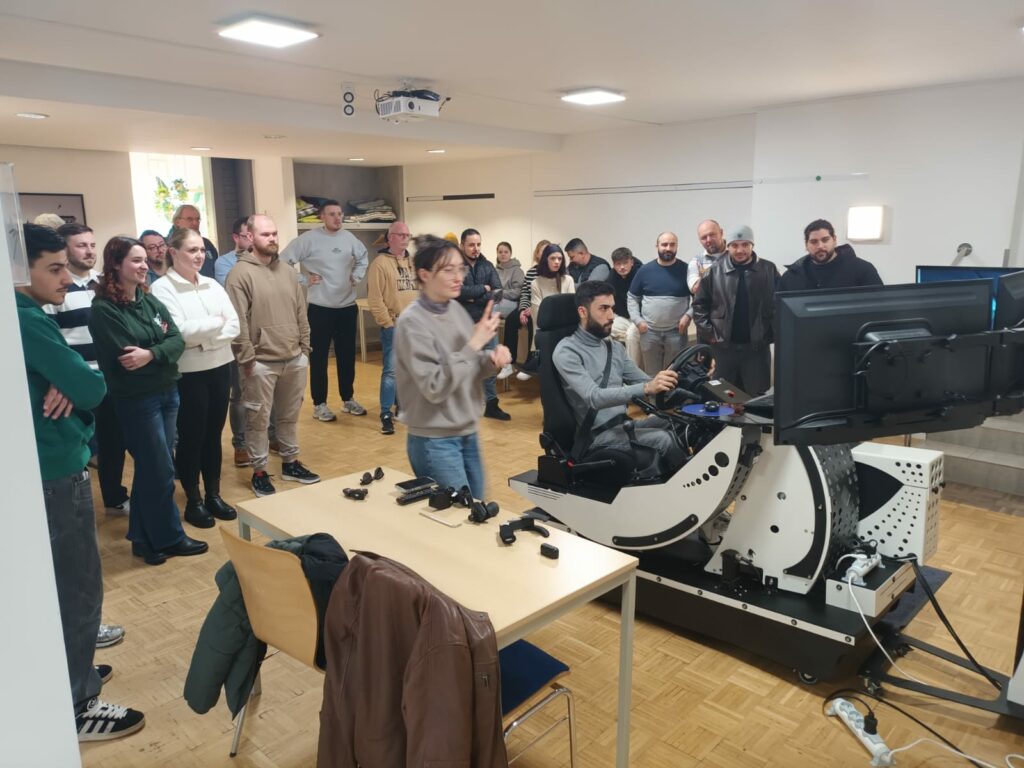
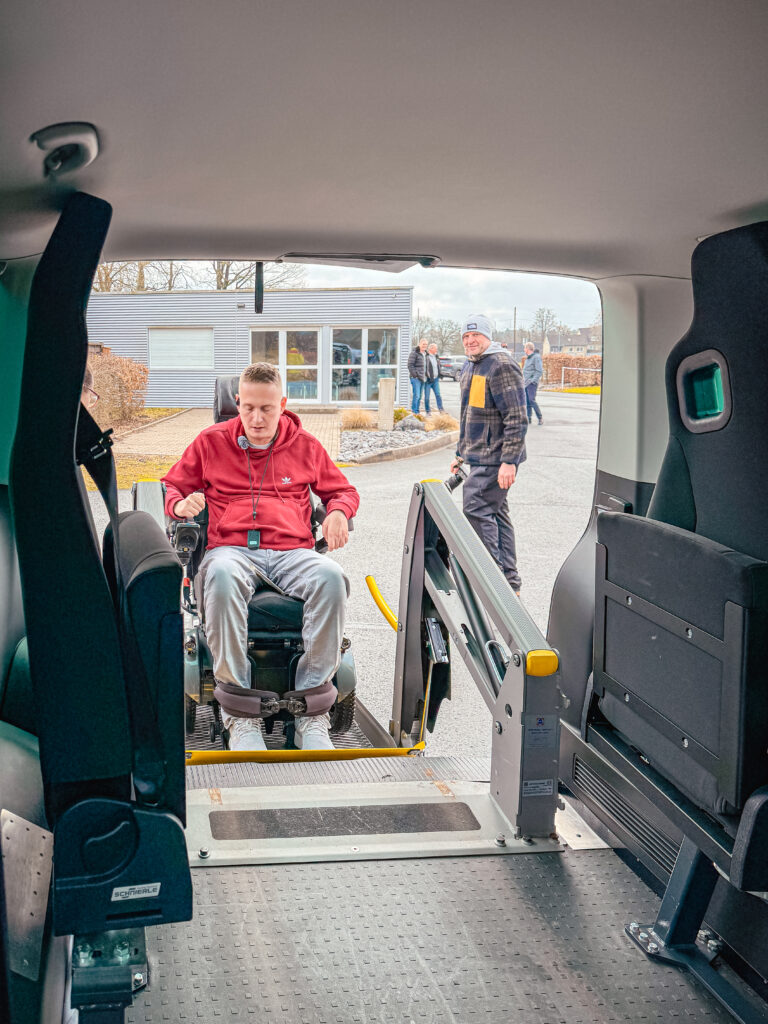
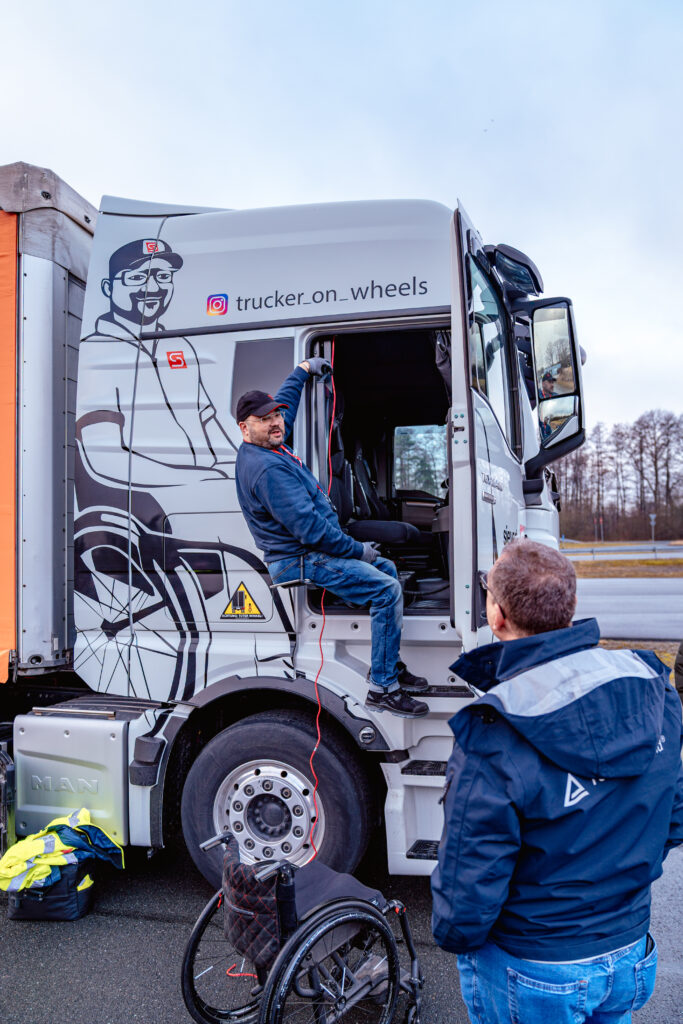
The seminar’s strength lies in its hands-on approach. While the first and third days focused on expert presentations, the second day was dedicated to practical experience. Participants had the unique opportunity to:
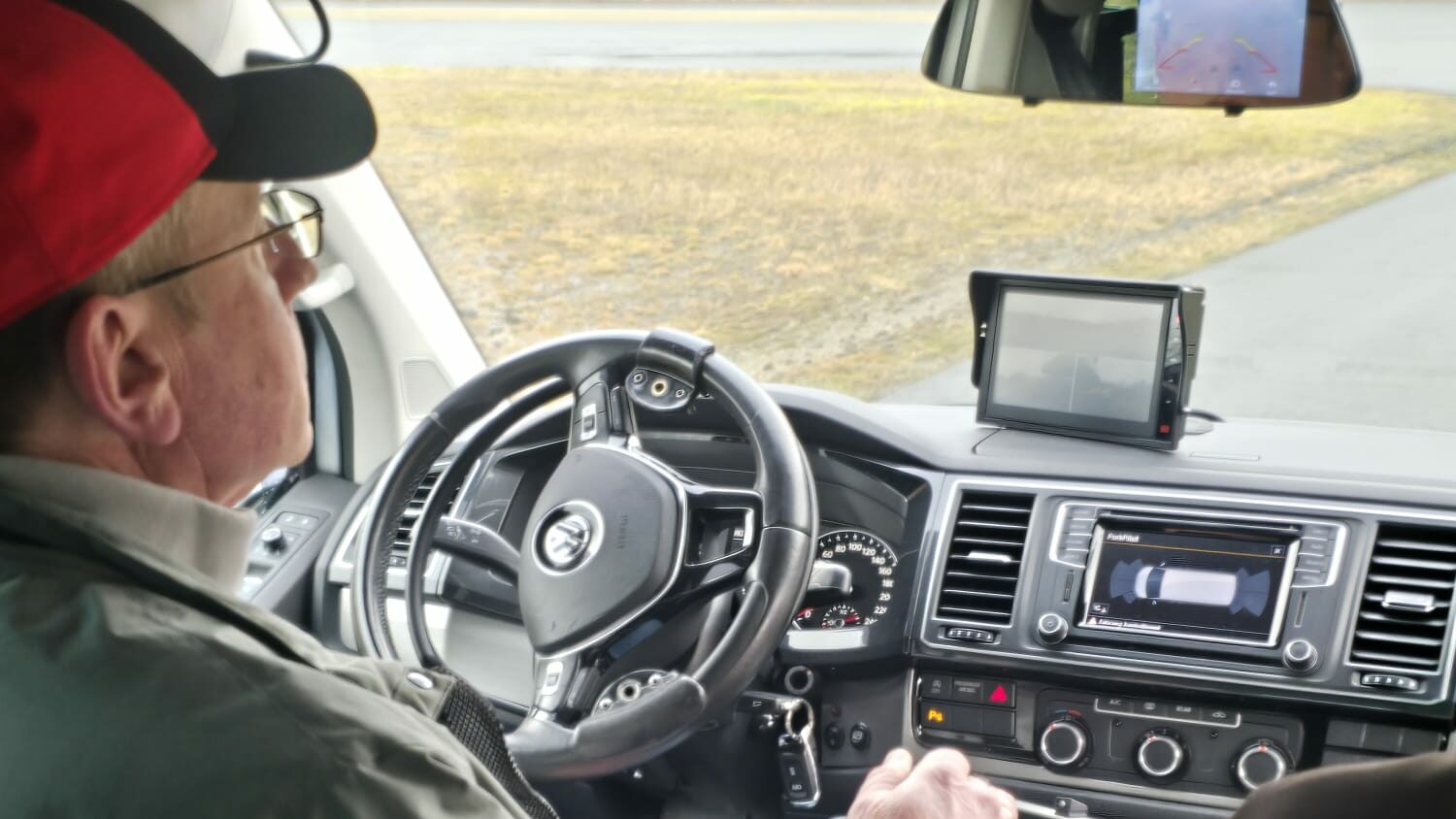
- Test-drive modified vehicles equipped with hand controls and foot steering.
- Interact directly with affected drivers who demonstrated their customized vehicle solutions.
- Experience firsthand the technology that enables self-responsible mobility for people with impairments. Many thanks to the companies that supported the event, making their technology and equipment available to attendees. Special thanks to Paravan (paravan.com) and Ediser (enpc-diser.com) to develop vehicles and simulators for people with disabilities.
Building the Network: Next Stop, Florence!
Beyond the classroom, the event emphasized nationwide and international networking. Starting with a “come-together evening” and concluding with communal dinners, the seminar fostered a space for instructors to share best practices and challenges.
This is just the beginning. EFA is committed to expanding this expertise across Europe. The next international meeting of this network is scheduled for mid-June in Florence, Italy. This upcoming event will further strengthen our collective ability to ensure that mobility is truly accessible to everyone.


The TRUST Project: Shaping a New Traffic Safety Culture in Europe
The landscape of European road safety is undergoing a fundamental shift. While vehicle technology and infrastructure have seen massive leaps, human behavior remains the most complex variable. To address this, the TRUST Project (Traffic Safety Culture – A Systematic Transition Towards Shared Responsibility for Safe and Sustainable Mobility in the EU), funded by the Horizon Europe program, has officially launched to redefine how we perceive risk on our roads.
The project moves beyond simple compliance, aiming to embed a Traffic Safety Culture (TSC) into the DNA of every road user. It’s not just about knowing the rules; it’s about valuing safety as a shared social responsibility.
EFA’s Strategic Role: From Research to the Driver’s Seat
As a key partner in the TRUST consortium, the EFA (European Driving Schools Association) plays a vital role in bridging the gap between high-level scientific research and the practical reality of driving education. EFA’s involvement ensures that the project’s findings don’t stay in a lab but reach the classroom.
- Leading the “Driving Schools” Pilot: EFA is at the forefront of one of the project’s seven pilot interventions. This specific pilot tests innovative training methods designed to foster a safety-first mindset in novice drivers from day one.
- A Harmonized European Standard: By leveraging its vast network, EFA assists in developing a validated TSC index. This tool will help driving instructors across Europe assess and influence the attitudes and social norms of their students, ensuring a consistent level of safety awareness across borders.
- Empowering Instructors: Within the framework of the TRUST Project, EFA acts as the primary channel for professional development. We are committed to providing instructors with the latest pedagogical tools and insights derived from the project’s data-driven approach.
The Path Ahead
For EFA, the TRUST project is a milestone in our mission to modernize driver training. By shifting the focus from “how to pass the test” to “how to be a responsible citizen of the road,” driving schools won’t just teaching people to drive; they will teach how to save lives. The next TRUST meeting will be in Oslo in mid-May.
Croatian road Safety Conference
On the occasion of the recent road traffic safety Conference held in Zagreb in February and organized by Jutarnji list – Hanza Media, we spoke with the author of the driver’s handbook “Learn Traffic Rules and How to Behave Properly in Traffic” and road expert, mag.ing. Dino Posavec.
It is well known that Mr. Dino Posavec, has from the very beginning been a professional associate of this safety Conference, which deals with topics related to road traffic safety. The organizer of the Conference is Croatia’s leading newspaper and media house, Jutarnji list-Hanza Media, whose CEO Mr. Goran Ogurlić, has recognized this form of educational and preventive media activity aimed at increasing the safety of all road users. One of the main priorities of the Government of the Republic of Croatia, headed by prime minister Mr. Andrej Plenković, is the digitalization, since it is the basis of the long term development of every country, including also the Republic of Croatia. With the adoption of the new EU directive on driving licences, an attempt will be made to reduce the number of traffic accidents. Despite the Government’s investments to date in digitalization and road infrastructure, enormous financial resources have been allocated and we still have too many people being injured and killed in traffic accidents. It is important to invest in digital processes and artificial intelligence, but one must not neglect the most basic thing, which is traffic education from the earliest age.
Why did you choose this topic for this year’s Conference?
Each year, a current topic is selected for road users so that all of us can learn and find out something new. This year’s Conference with the topic “Digitalization of the Traffic System and New EU Rules for Drivers”, relates to the new EU Directive on driving licences as well as to technological advances in the field of road digitalization. The Republic of Croatia has already implemented most of the provisions of the Directive in its legislation and is keeping pace with the recommendations of the European Commission. It is important to emphasize that the Conference is interdisciplinary, with experts from various fields of technical and social sciences participating in an effort to discuss and reach certain conclusions in one place on current issues in the field of road safety. The Conference is primarily safety and is very important not only for the road experts but also for everyone else dealing with this issue, with the aim of increasing the protection and safety of all road users. Some of the topics that have been presented includes the implementation of the digital driving licence, changes in the medical examinations for drivers, easier exchange of data on offences across the entire European Union, changes in the category B whereby the age limit is lowered from 18 to 17 years, an overview of the state of road safety in Croatia and EU countries, digitalization of the traffic, measures and recommendations of the European Transport Safety Council, an overview of the state of digitalization of the vehicle technical inspection, as well as various other technical traffic solutions.
One of the main novelties is the implementation of the digital driving licence. What is your opinion?
The Republic of Croatia is ready for implementation, however, it is necessary to take into account drivers over the age of 65, who are increasingly present on the roads and who are, for the most part, less digitally literate. Alongside the digital form, the current form of the driving licence should be retained so that drivers can choose the option that suits them best. Before implementing the digital driving licence, it is necessary to educate drivers, especially those of older age, so that they are aware of security risks and know how to protect themselves in a timely manner from hacker attacks and behave responsibly in accordance with the basic rules of cyber protection.
There is also a big change in category B, lowering the age from 18 to 17. Is this a good model? Today’s young generations are not the same as those from twenty years ago. I agree with psychologists that new young drivers at 17 are not sufficiently mentally and psychologically mature for independent driving of a passenger car, but with the accompaniment of a person with driving experience for a certain period of time, such a proposed model is desirable and acceptable. A person with driving experience can have a very positive influence on a young driver and shape his or her proper behaviour and adherence to traffic rules in road traffic. The current practice in Croatia is that after completing 35 hours of driving lessons in the driving school, the candidate takes the driving exam and, if he or she passes, receives a driving licence, and after that any form of further education and influence on that driver to behave in traffic in accordance with traffic rules ceases.
Who are the partners of Jutarnji list and Hanza Media in organizing the Conference?
There are many; I will list just a few: organizations from Brussels such as ETSC (European Transport Safety Council), where there has been long standing cooperation with Mr. Antonio Avenoso, and EFA (European Driving School Association) with Mr. Manuel Picardi. The main partner from the beginning has been the Ministry of the Interior, as well as the Ministry of the Sea, Transport and Infrastructure, Croatian Motorways, Croatian Roads, the Croatian Psychological Society, the Vehicle Centre of Croatia, etc.
Do you consider that the media is one of the factors in road safety?
The role of the media is very important, but even more important is the synergy with the Ministry of the Interior, headed by Mr. Davor Božinović, which has recognized and has been fully supporting the safety Conference from the very beginning. Today the media can do what others can’t, and that is to reach a large number of road users, in a very short period of time. Every safety message or information can significantly influence on their behaviour and actions in road traffic.
Why do you think there are still so many fatalities on roads?
The investment by the Government of the Republic of Croatia in the roads is commendable; however, the main factor in this process is the driver and his or her behaviour. If, in a urban area, a speed limit of 30 km/h is prescribed by a traffic sign on a particular road section, the question arises as to how many drivers actually respect that limit. That road sign was not placed there without reason but for a purpose (near kindergartens, schools, etc.), and drivers need to be aware that. In the event of a collision with a pedestrian, the outcome of the traffic accident will not be the same if the vehicle speed is 30 or 50 km/h. By reducing vehicle speed in these urban zones, the lives of the most vulnerable road users, especially children, can be saved.
Speeding is a leading cause of traffic accidents. What needs to be done?
There is no great mystery here, based on the experience of EU countries in the urban zones traffic should be slowed down to 30 km/h, while at the same time ensuring that this does not cause major congestion in roads, because then nothing has been achieved. It is important that experts dealing with this issue observe urban traffic as a whole and not individually. Digitalization of the roads can greatly assist them in this, so that traffic flow at intersections is as good as possible. Also, where it is possible, public transport, bicycles and walking should be used more, instead of every activity being carried out by habit with the use of a motor vehicle.
How can we reduce casualties in roads?
The first and foremost, systematic and continuous traffic education of children from the earliest age. The role of parents is the most important, but we must not neglect teachers in kindergartens and schools who spend a most of the day with children. One of the quality project being implemented in cooperation with police in Croatia is “Children in Traffic as Pedestrians and Passengers”. It is intended for preschool children, where educators teach children by using educational materials (booklet, coloring book, etc.) and involve parents in the traffic education so that, in real traffic conditions, they can practise traffic rules and road signs with their children. Furthermore, when it comes to future young drivers, there is also a project aimed precisely at them – high school students aged 16 and 17. First, the educators from the Croatian Psychological Society give a lecture at the school, after which the students fill out a questionnaire related to education and traffic safety, and finally each student receives the driver’s handbook “Learn Traffic Rules and How to Behave Properly in Traffic”, which will be very useful to them in a driving school and later.
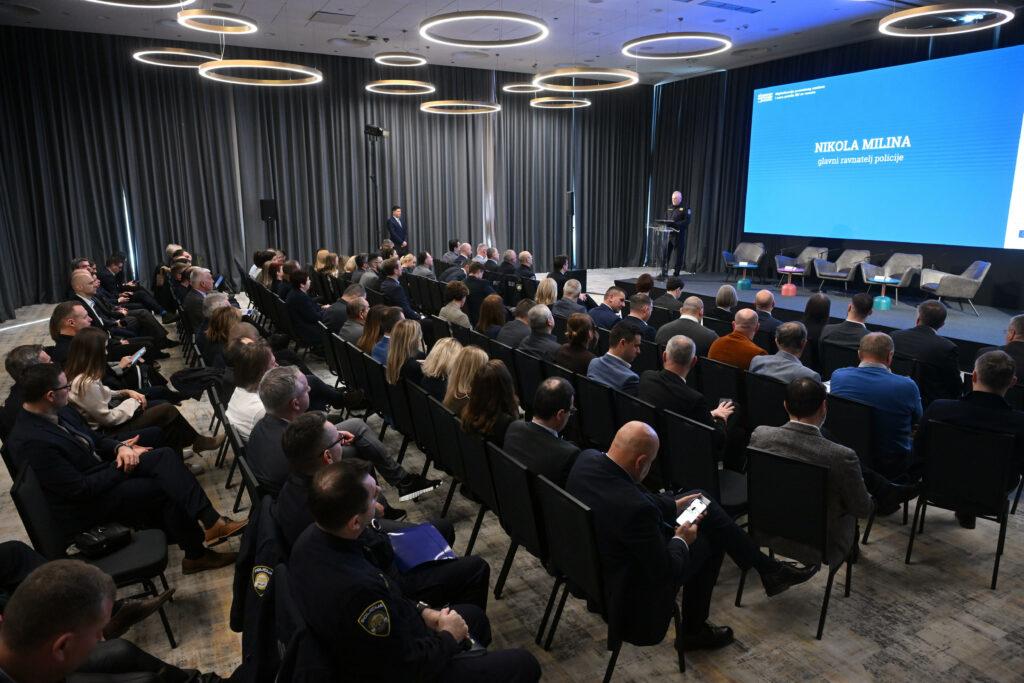
Zagreb, 170226.Hotel Hilton Garden Inn, Radnicka cesta 21.Konferencija Jutarnjeg lista Sigurnost cestovnog prometa 2026.Foto: Goran Mehkek / CROPIX

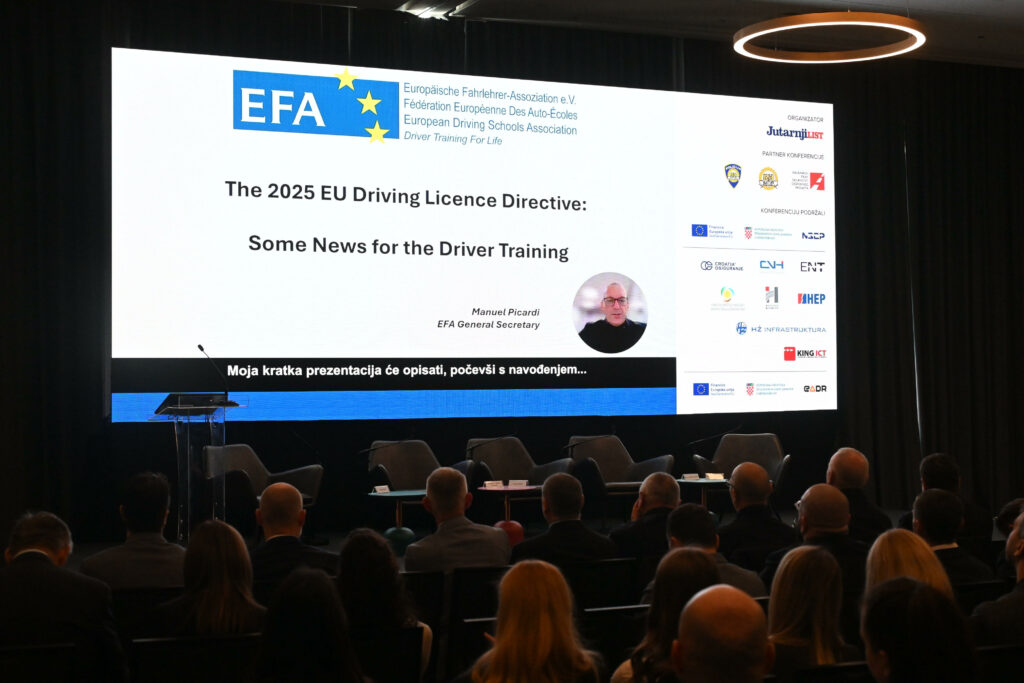
Zagreb, 170226.Hotel Hilton Garden Inn, Radnicka cesta 21.Konferencija Jutarnjeg lista Sigurnost cestovnog prometa 2026.Na fotografiji: Manuel Picardi.Foto: Goran Mehkek / CROPIX
European Commission remains committed to halving road deaths by 2030
The European Commission has reaffirmed its commitment to halving road deaths and serious injuries by 2030, emphasizing a “Vision Zero” approach to combat a plateau in fatalities [1]. Achieving this goal requires intensified efforts, including enhanced protection for vulnerable road users, improved enforcement, and advanced driver training, the European Road Safety Charter reports [1]. Driving schools and educators are considered vital in this mission, acting as key stakeholders in fostering safer, more conscious behavior on the road. Read more on the European Road Safety Charter website. Download the report in multiple languages at the following link:
ITF – Road Safety Annual Report 2025
The Road Safety Annual Report 2025 provides an overview of road safety performance for the 40 countries participating in the International Transport Forum’s permanent Working Group on road safety, known as the IRTAD Group. Based on the latest data, the report describes recent road safety developments in these countries and compares their performance against the main road safety indicators.
This latest edition features new collision matrices to analyse road safety data and highlight the most common types of collisions leading to fatalities.
Read more about: https://mailchi.mp/itf-oecd/road-safety-2025?e=34c96eed19
Registrations of motorcycles and mopeds in key European markets during the year 2025
In 2025, new motorcycle registrations across the five largest European markets—France, Germany, Italy, Spain and the United Kingdom—totalled 1,002,848 units, representing a 12.9% decline compared to 2024. Spain was the only market to record growth, with registrations increasing by 8.3%, while all other countries experienced negative trends, particularly Germany and the UK. Moped registrations also declined significantly. Across the six European markets monitored by ACEM, registrations fell by 20.7%, with Germany as the sole exception, showing modest growth. According to ACEM, this downturn reflects a market correction following the introduction of the Euro 5+ emissions standard, which had previously boosted registrations in 2024 due to stock pre-registrations. Despite current economic challenges, motorcycle registrations remain 14.7% higher than pre-pandemic levels, indicating sustained consumer interest in powered two-wheelers. The sector continues to demonstrate resilience, supported by a gradual shift from mopeds to motorcycles, while the market outlook for 2026 will become clearer in the first half of the year. Read more and download the statistics:
17th ITS European Congress 2026
In this edition, we look beyond the horizon of International Women’s Day to reinforce our commitment to an inclusive mobility future, shaped by diverse perspectives across the industry.
We are proud to welcome Nextbike Cyprus to the ERTICO Partnership, bringing their valuable micromobility expertise to our network. Together, we continue advancing Europe’s green mobility transition, as recently showcased by our colleagues at the RTR Conference 2026.
The countdown to the 17th ITS European Congress 2026 in Istanbul is officially underway: Registration is open, with a 10% early-bird discount available until 28 February. The Preliminary Programme is now live, with over 100 sessions in the Technical Programme, while the recent CitiesFirst webinar has already set the strategic course for April’s gathering. Discover what lies ahead Istanbul 2026 by joining our live webinar on Monday 2 March. Read more:
https://mailchi.mp/mail.ertico.com/ertico-news-xxxx-5762297?e=bff8a6f8c1

Ireland: RSA study reveals higher level of mobile use among van drivers
Data from a new observational study by the Road Safety Authority (RSA) in Ireland has shown that drivers of vans are nearly twice as likely to use a handheld mobile phone compared to any other category of motorist.
The observational study, which included over 22,000 observations at 145 sites across the country, highlights a growing trend of distraction:
Van drivers: Handheld usage among van drivers was 15%
Overall increase: Across all motorists, the rate of handheld device usage rose to 8% in the latest survey, up from 6% in 2024.
Usage type: Of those observed, 52% were holding the phone to their ear, while 48% were observed holding the device in their hand, indicating activities such as scrolling or texting.
Read more on the ETSC website:
https://etsc.eu/ireland-rsa-study-reveals-higher-level-of-mobile-use-among-van-drivers/