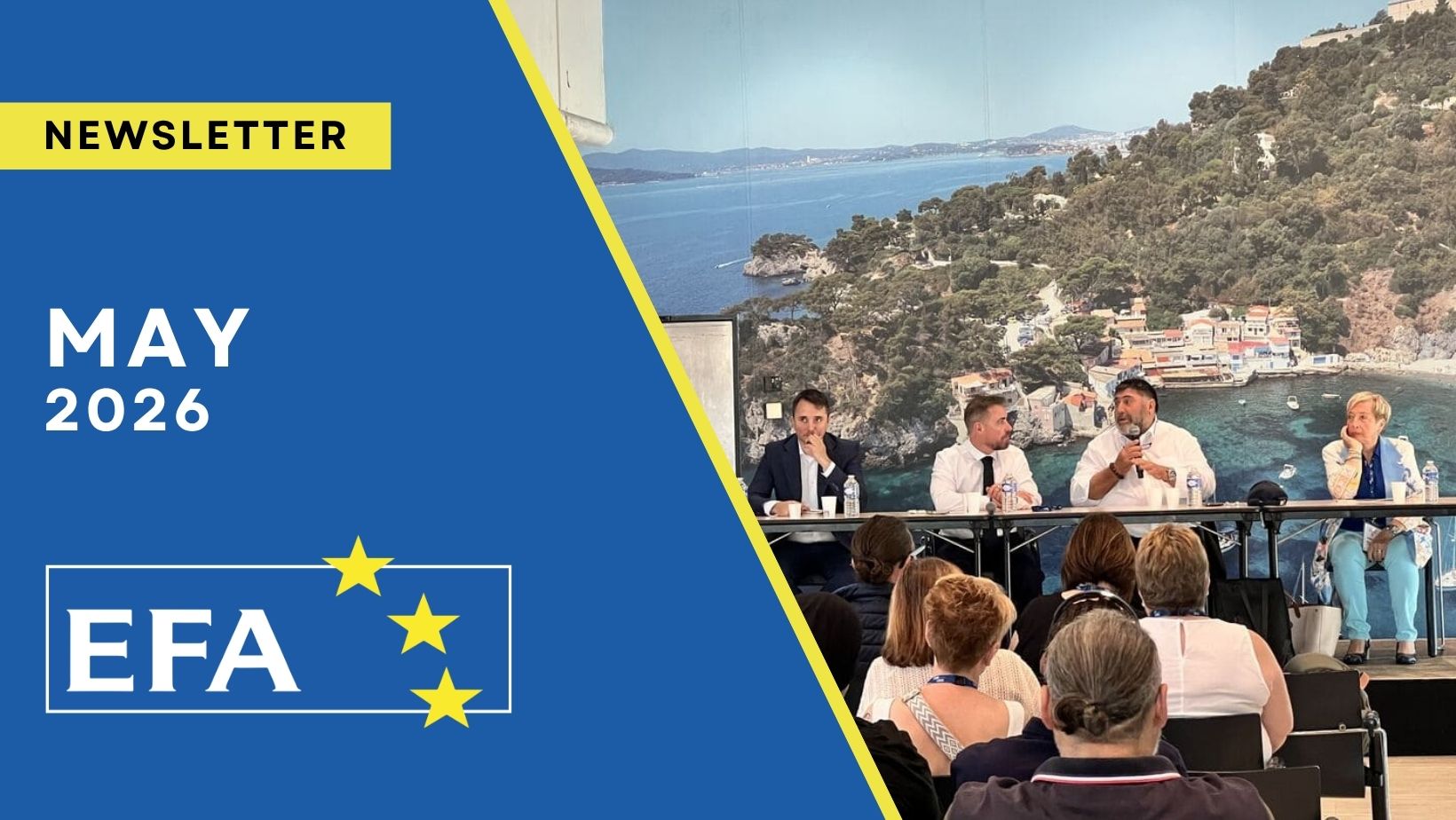
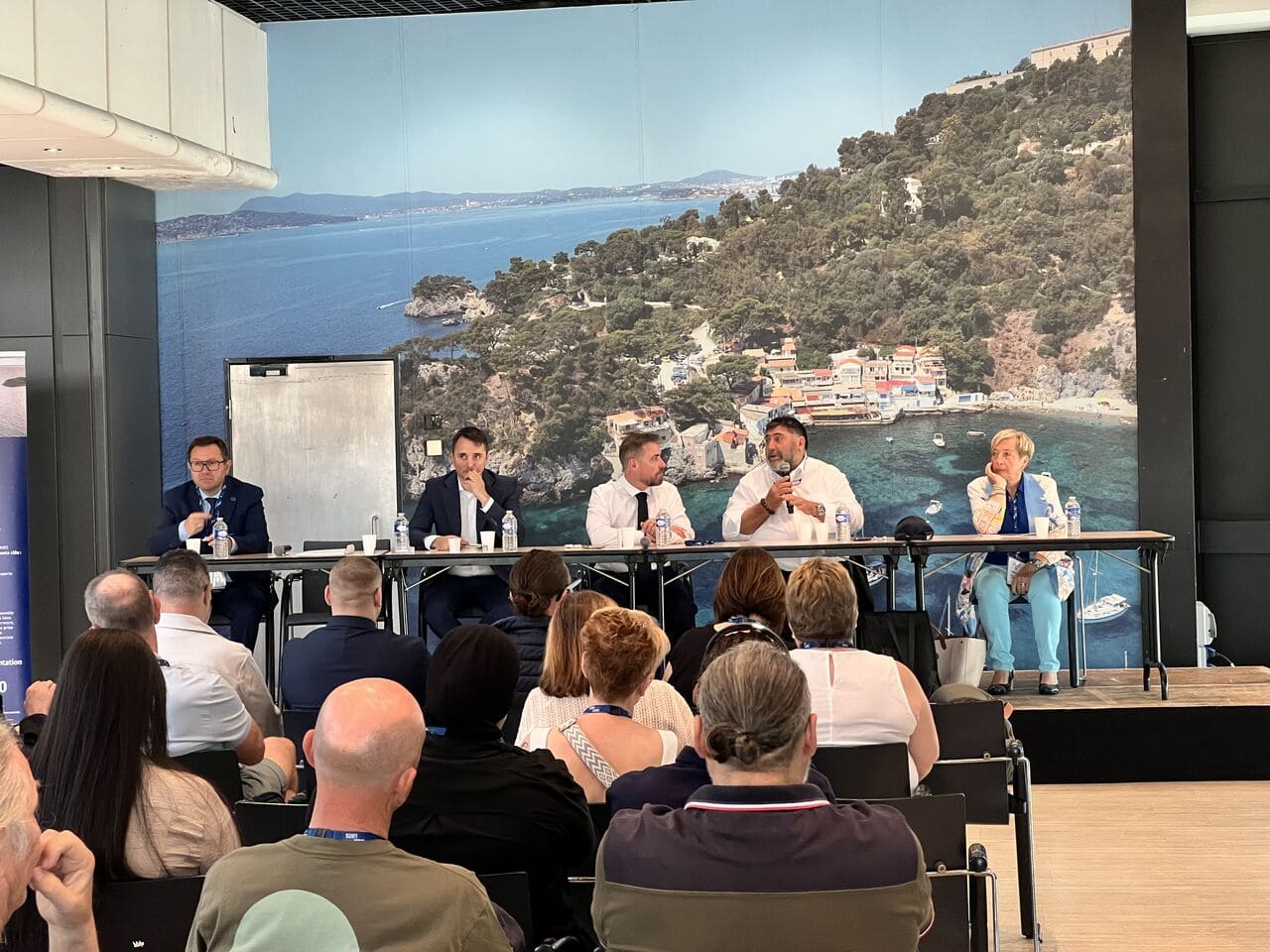
The Mobilians Congress 2026 came to a close on Sunday 24 May in Toulon, wrapping up three days of meetings, debates and exchanges among professionals from the mobility and automotive sector across France and Europe.
The event proved to be a key moment for both reflection and renewal. Warm thanks were extended to outgoing president Patrice Bessone, whose tenure was marked by a steady and significant commitment to road safety, both in France and at the European level. His work has left a lasting impact on the culture and policies of the industry.
The baton now passes to Lorenzo Lefevre, newly elected president of the association. The entire Mobilians community wishes him the very best of luck in this important new role.
The next date is already set: see you all in Vannes in May 2027 for the next congress!
Le Congrès Mobilians 2026 s’est clôturé dimanche 24 mai à Toulon, au terme de trois journées de rencontres, de débats et d’échanges entre les professionnels de la mobilité et du secteur automobile français et européen.
L’événement a constitué un moment essentiel de bilan et de renouveau. De chaleureux remerciements ont été adressés au président sortant Patrice Bessone, dont le mandat a été marqué par un engagement constant et déterminant en faveur de la sécurité routière, tant en France qu’à l’échelle européenne. Son action a laissé une empreinte durable dans la culture et les politiques du secteur.
Le flambeau est désormais transmis à Lorenzo Lefevre, nouveau président élu de l’association. Toute la communauté Mobilians lui souhaite bonne chance et plein succès dans ses nouvelles responsabilités.
Le prochain rendez-vous est déjà fixé: rendez-vous à Vannes en mai 2027 pour le prochain congrès. À l’année prochaine!

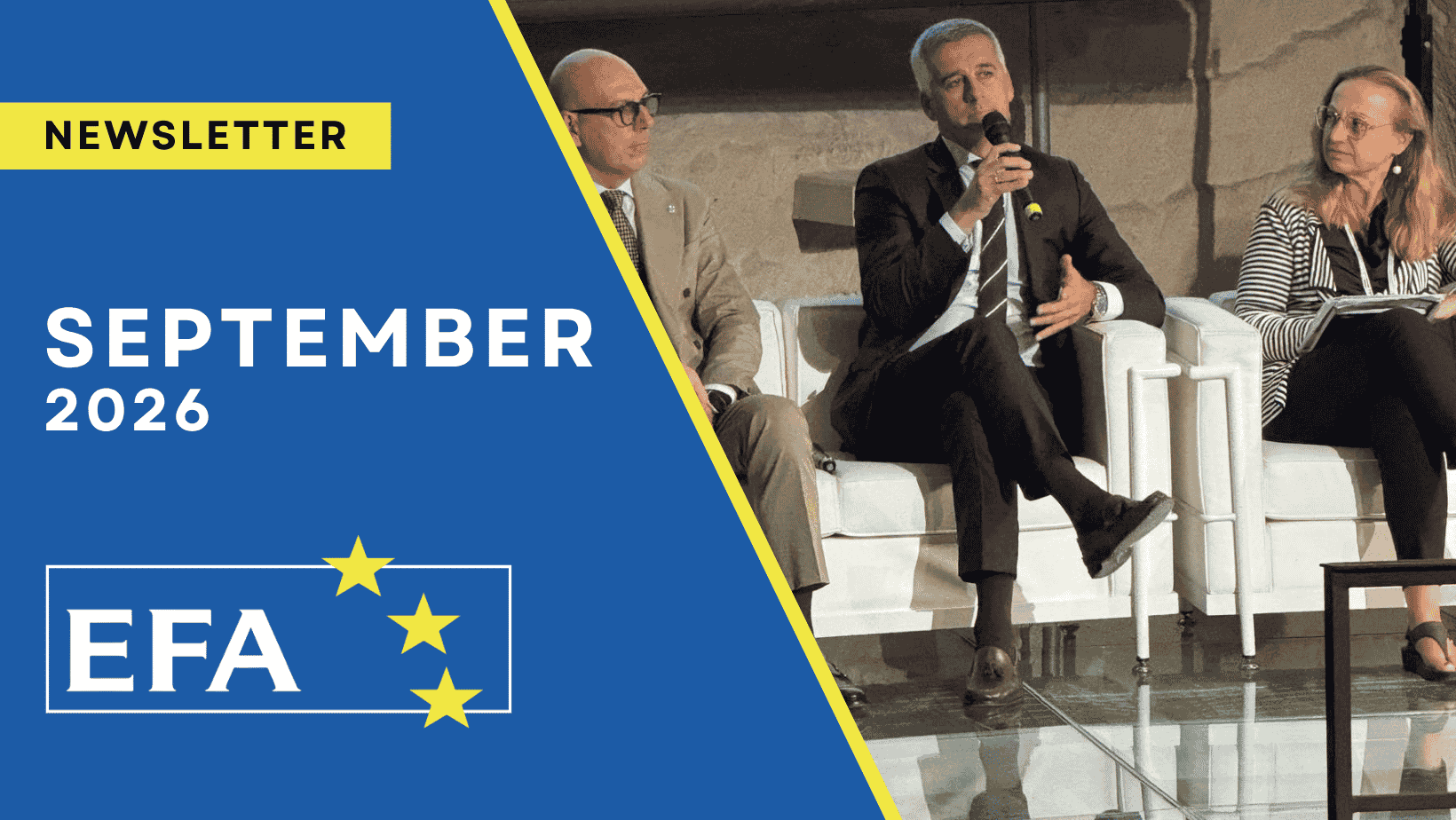
Lorenzo Lefevre

On 7 May, the Estonian Transport Administration, in cooperation with the Estonian Driving Schools Association and Liikluslab, organized a seminar in Paide, central Estonia. Examiners, driving instructors and traffic trainers jointly discussed problem areas of the Road Traffic Act — the first time so many experts in the field had come together under one roof. The seminar attracted around 360 participants in total.
The idea of a joint seminar first emerged in 2019, when Neeme Külmallik, President of the Estonian Driving Schools Association, attended a seminar of local organizations in Austria. Various crises prevented a similar event from taking place in Estonia, but the challenges ultimately helped unite the sector, which is now moving with growing momentum towards a shared goal: a safer traffic environment for all road users.
The seminar presented the traffic safety programme approved the previous year, examined changes in traffic training processes, and shed light on how driving exams are assessed by the Transport Administration.
“All parties were satisfied with the joint seminar, and several questions that had arisen on one side or the other were answered. The experience gave us the understanding that such seminars will help steer the field even more effectively towards our common goal. Everyone wants our roads to be safe, regardless of the mode of transport,” said Ave Smirnov, Head of the Driving Licence Department at the Estonian Transport Administration, who led the seminar.
The Transport Administration continues to meet regularly with representatives of both the Estonian Driving Schools Association and the Traffic Instructors Association. As a result of this ongoing cooperation, it is hoped that the seminar held in Paide will become a lasting tradition.

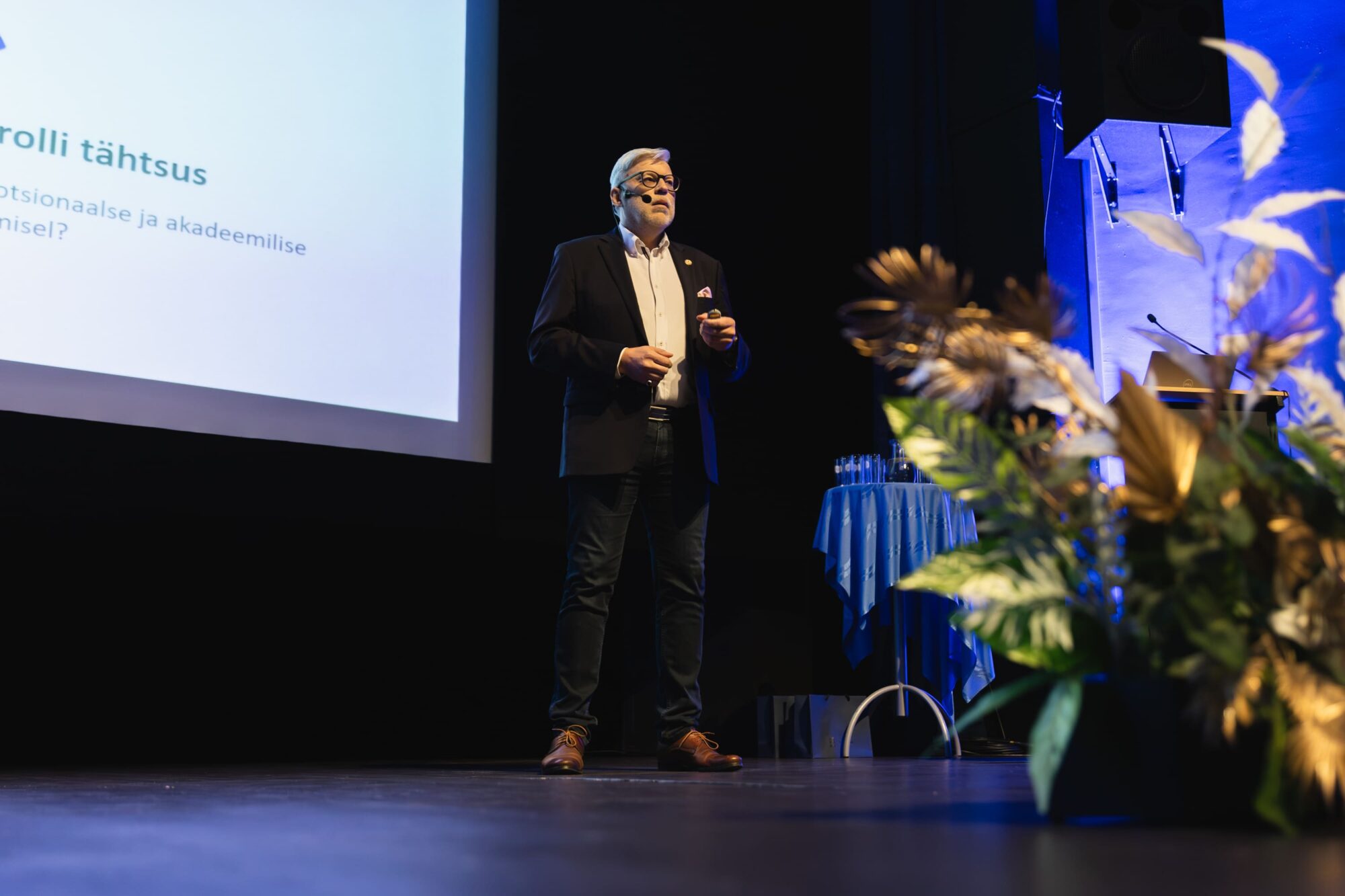
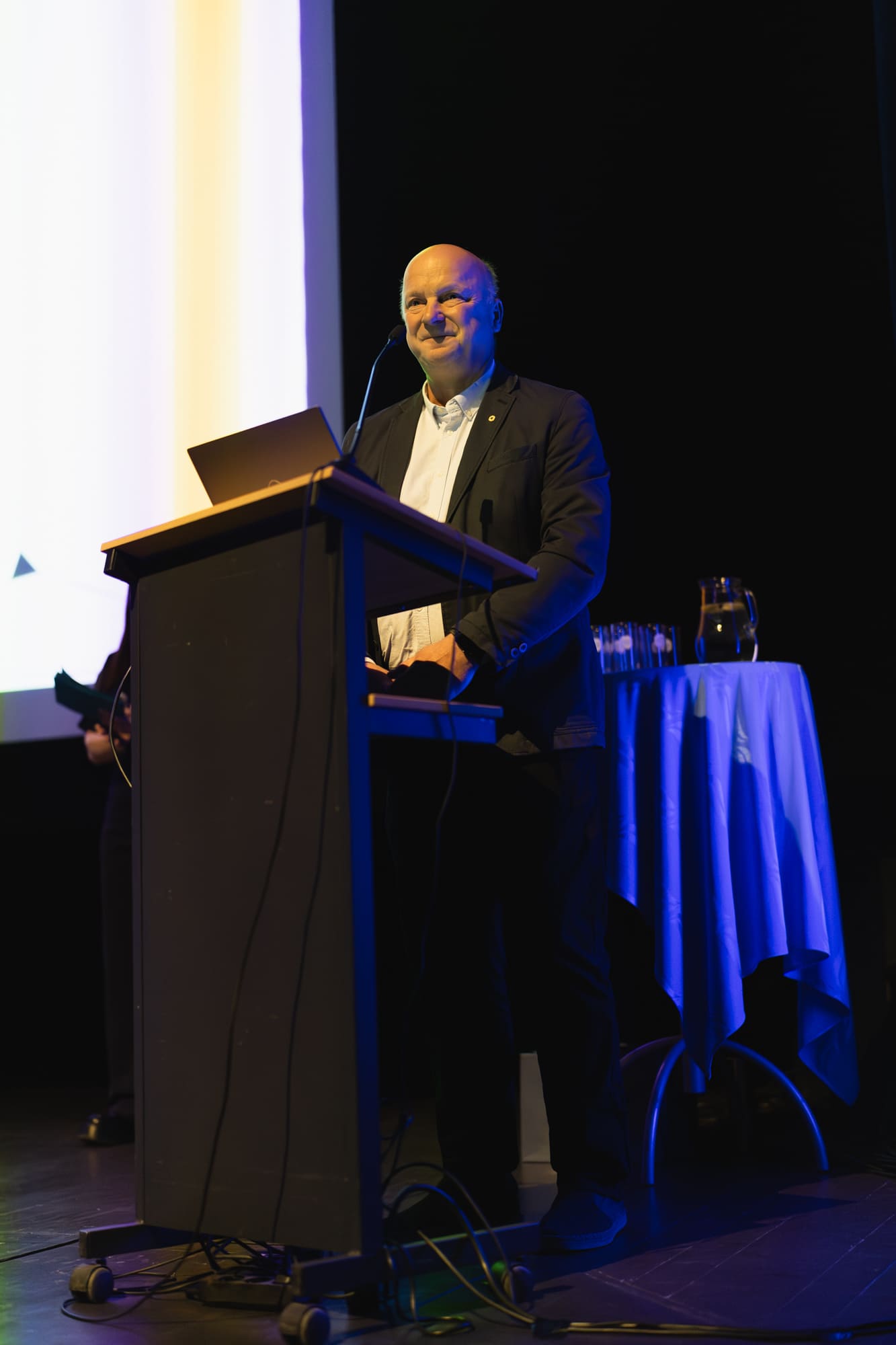
Neeme Kylmallik
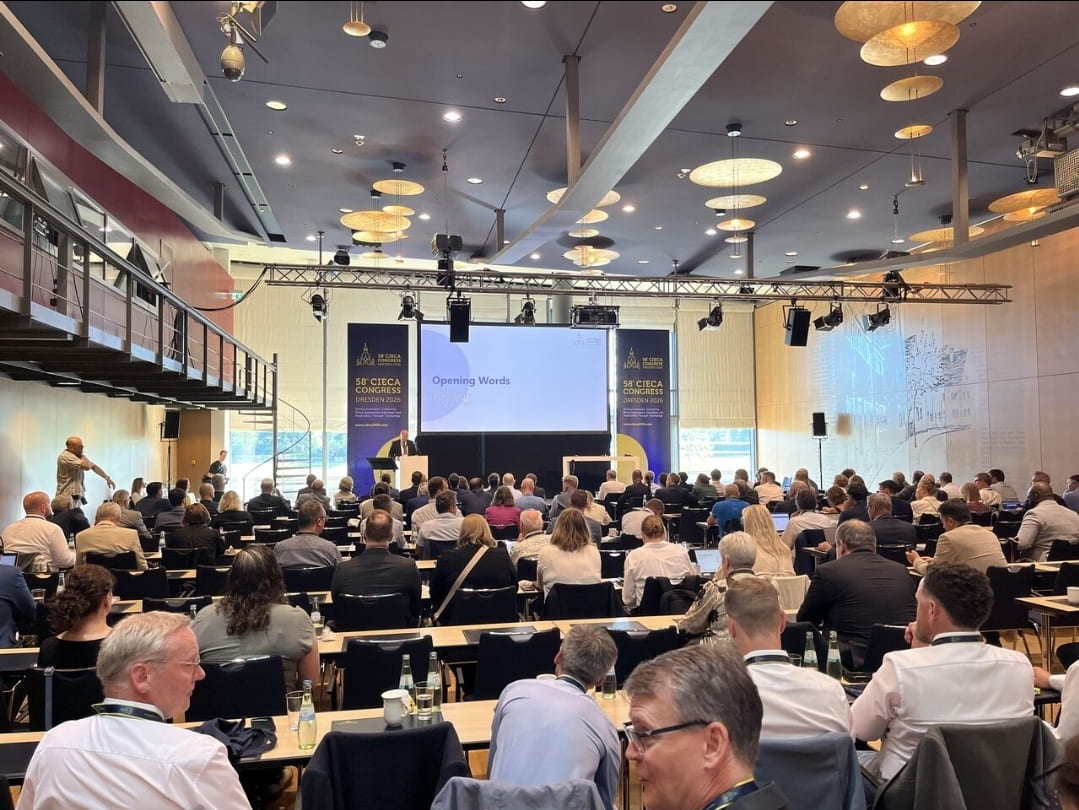
The 58th CIECA Congress came to a close yesterday in Dresden, the international reference event for driving licence testing. Hosted by TÜV | DEKRA arge tp 21 at the International Congress Center in the heart of the city, the event brought together decision-makers, researchers and professionals from across the globe.
This year’s overarching theme was “Driving Innovation: Enhancing Driver Assessment, Education, and Road Safety through Technology” — a thread that ran through a rich programme of technically and scientifically compelling presentations.
The congress day on Thursday 28 May opened with remarks from CIECA President Pat Delaney and Saxon State Minister for Infrastructure Regina Kraushaar, followed by a presentation from Matin Nabavi Niaki of Austroads on whether hazard perception testing deployment policies affect road safety outcomes. The morning session on new technologies featured David Stefan and Anne Hoks of the Dutch CBR, who shared their experience experimenting with artificial intelligence in their dedicated AI Lab, while Jorrit Kuipers of Green Dino BV presented the findings of a longitudinal study on simulator-based hazard awareness training. The afternoon sessions tackled “fitness to drive” — with contributions on cannabis consumption behind the wheel and cognitive function testing for older drivers — as well as broader road safety topics, including a forward-looking reflection on hazard perception as a new era for European road safety.
A special thank-you goes to the EFA delegation that attended the event: Antonio Pais Neto, Joachim Steininger, Jeanette Jedback and Stefan Ebner, whose participation brought a valuable contribution to the international discussion and demonstrated a clear commitment to the European agenda on safe mobility.
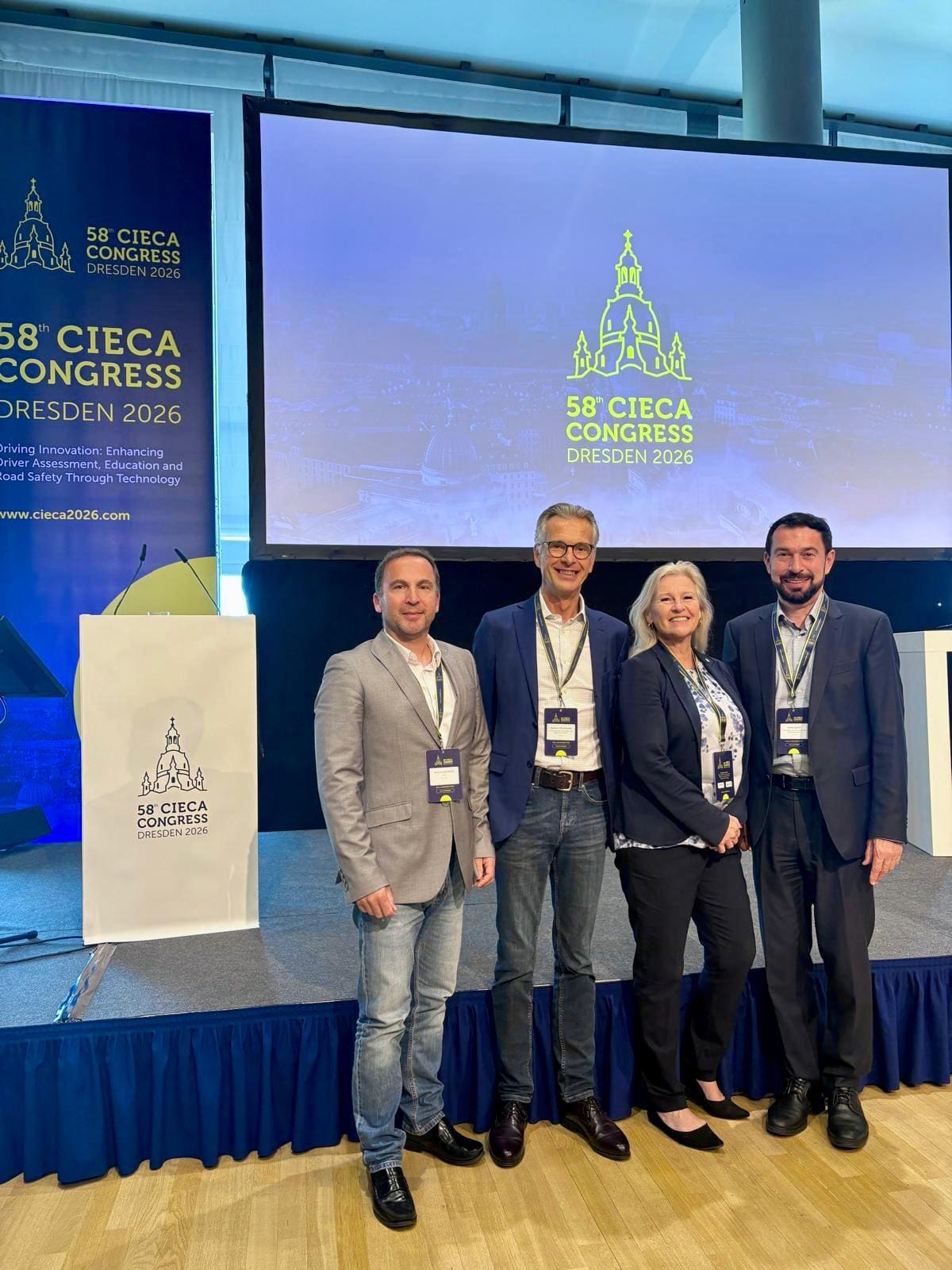
Antonio Pais Neto, Joachim Steininger, Jeanette Jedback and Stefan Ebner
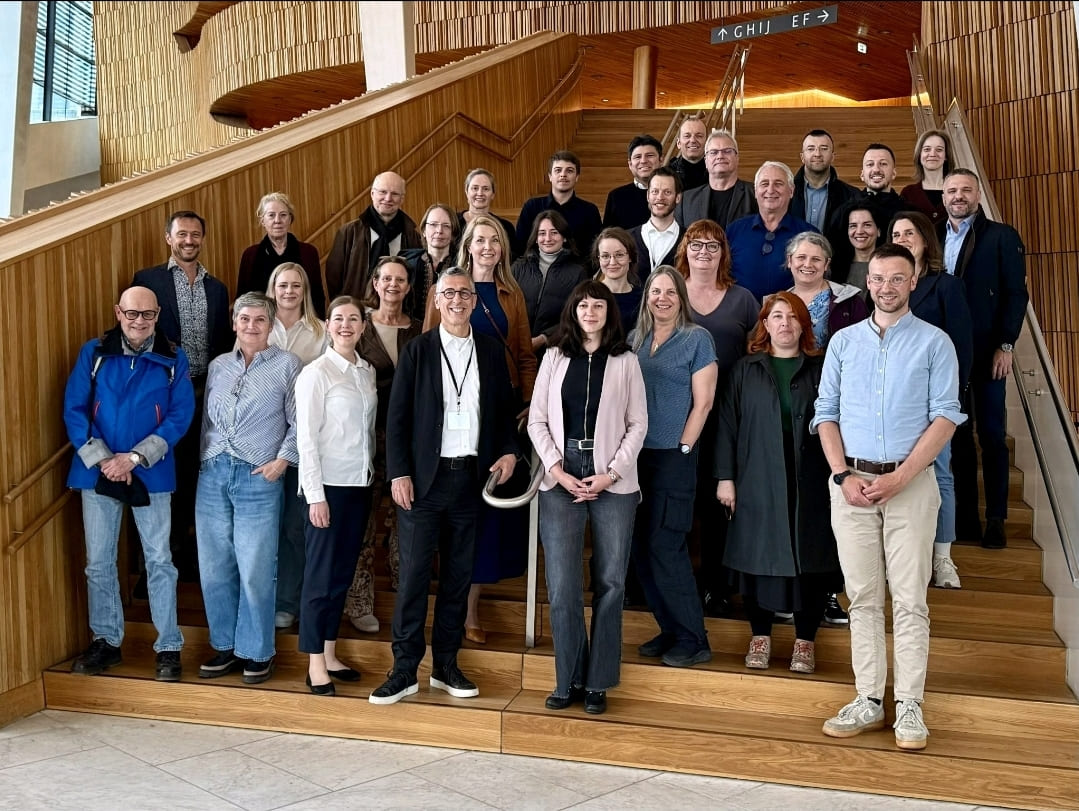
On 11 and 12 May, Oslo hosted the General Assembly of TRUST, the European project dedicated to promoting a culture of road safety. The two-day meeting brought together partners from across Europe for an intensive programme of working sessions and thematic seminars, confirming that the project is moving forward at a steady pace and delivering promising results.
Over the course of the assembly, participants took stock of the progress made so far and outlined the next steps, with a shared sense of momentum that reflects the commitment of all those involved. Several seminars were held during the event, each focusing on specific topics relevant to road safety education and training.
EFA took part in the working group on training, where discussions centred on innovative approaches to road safety education. Together with VTI, EFA has begun laying the groundwork for a short seminar targeting young people who have recently obtained their AM licence — an age group that is particularly vulnerable on the road and in need of targeted guidance.
The initiative represents a significant step forward in the project’s broader ambition to build a stronger safety culture among new road users across Europe. Further developments are expected in the coming months.
Do you have a road safety project or initiative that deserves EU-wide recognition?
Our Excellence in Road Safety Awards highlight and recognise best practices from across Europe – allowing us to share road safety knowledge and celebrate the dedication of our members.
Your application will give you the chance to win a prestigious European award, inspire others and help build greater momentum towards our Vision Zero goal – reducing road deaths to almost zero by 2050.
Winners will be announced at the EU Road Safety Conference on Monday 23 November in Brussels.

On 6 May 2026, the Italian Ministry of Infrastructure and Transport hosted a conference on road safety as a shared responsibility, where EFA presented the TRUST project to an audience of policymakers and road safety professionals.
TRUST, standing for Traffic Safety Culture – A Systematic Transition towards Shared Responsibility for Safe and Sustainable Mobility in the European Union, is a Horizon Europe-funded initiative bringing together thirteen partners across research, policy and professional organisations. It addresses a pressing paradox: despite decades of progress in infrastructure, vehicle technology and regulation, road fatalities across Europe have plateaued at over twenty thousand per year. TRUST’s core argument is that the remaining challenge is not technical — it is cultural.
Presenting at the conference, EFA Secretary General Manuel Picardi outlined how the project works on shared values, attitudes and behavioural norms, introducing the concept of Traffic Safety Culture: not merely compliance with rules, but a genuine internalisation of responsibility towards all road users.
EFA leads Pilot 5 of the project, focused on driving school students. The training phase is identified as the critical moment when future drivers form their mental model of the road. To this end, EFA is developing modular teaching materials for European driving schools, grounded in risk perception, anticipatory driving and human factor awareness — building on the EFA Matrix, the association’s own framework for integrated driver education.
The message was clear: the next breakthrough in European road safety will be cultural.

On 11 May, on the sidelines of the TRUST project General Assembly, EFA — the European Driving Schools Association — visited the headquarters of Norges Trafikkskoleforbund (NTSF), the Norwegian driving schools association, in Oslo. The bilateral meeting provided a valuable opportunity for direct dialogue on issues central to the future of driver education across Europe.
At the heart of the discussion were two closely interrelated topics: the evolution of training pathways for future drivers, and the need to uphold high quality standards for driving teaches. On both counts, EFA and NTSF found broad common ground: training cannot be reduced to passing an exam, but must contribute to shaping drivers who are aware, responsible and equipped to navigate the complexities of modern traffic.
The exchange highlighted that, despite different regulatory frameworks, the challenges faced are largely the same: ensuring continuous and up-to-date professional development for instructors, adapting teaching content to the new realities of mobility, and preserving the centrality of the human factor in driver education. A conversation that sits naturally within the spirit of the TRUST project and the shared commitment to building a stronger road safety culture across Europe. A big thanks to Ingunn Haavi Finstad, Per Ove to host and all the Norwegian colleagues to have organized the meeting.
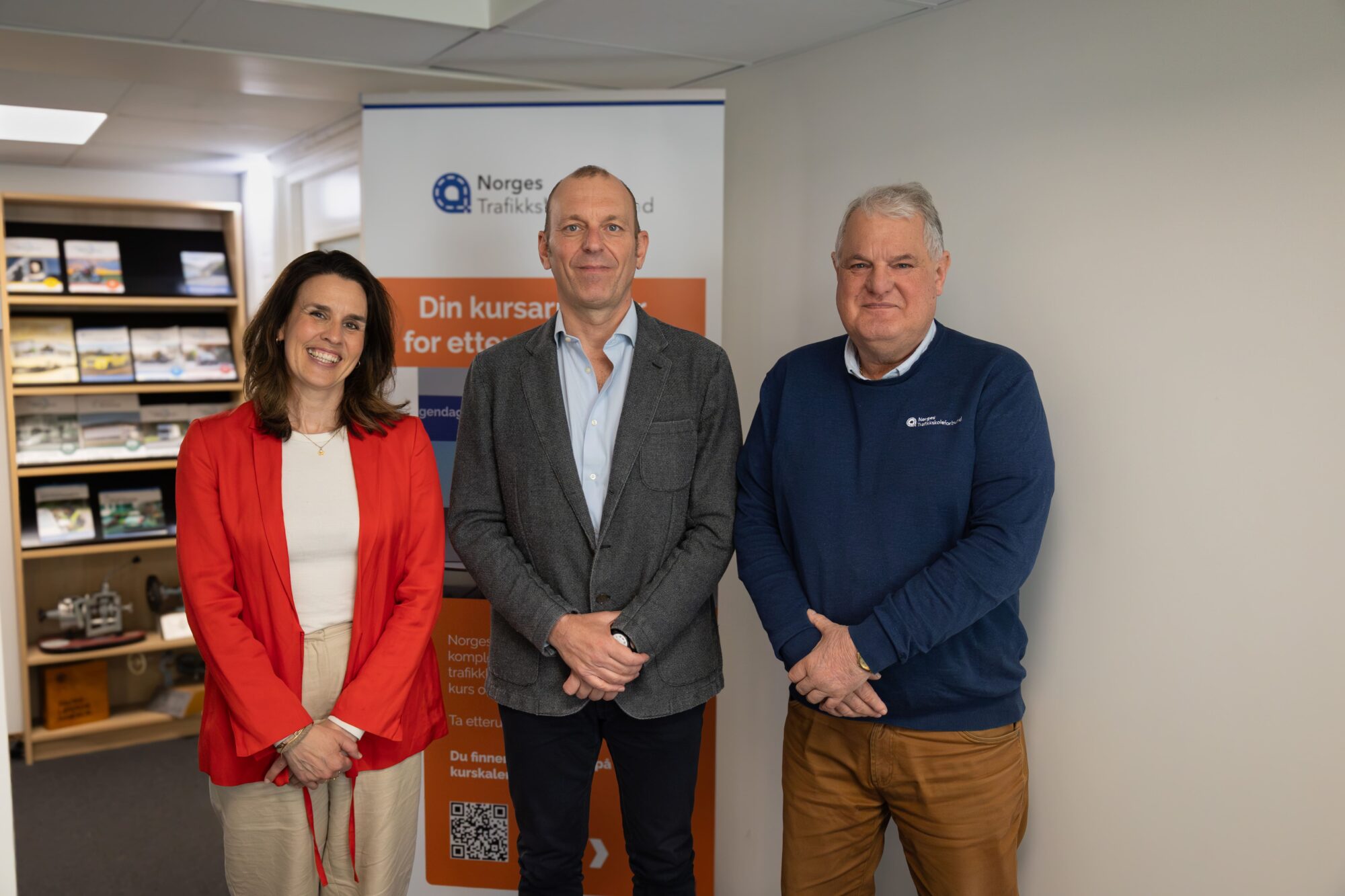
Haavi Finstad, Manuel Picardi and Per Ove
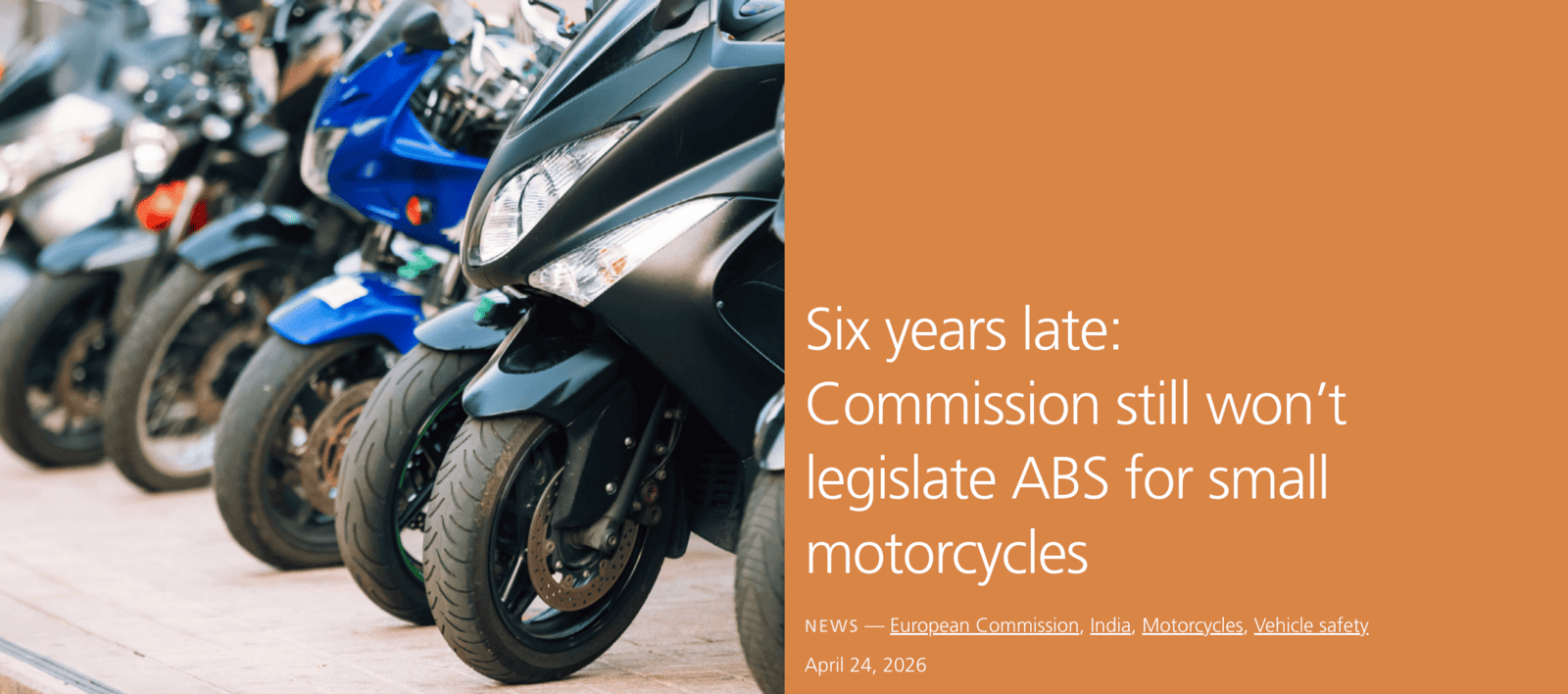
Anti-lock braking systems (ABS) on motorcycles reduce crashes by approximately 30%. The European Commission commissioned a study in 2020 confirming this, showing a benefit-to-cost ratio of nearly 23 to 1. Despite this overwhelming evidence, the Commission has failed to act on the findings. At a recent working group meeting on April 22, officials cited “limited resources” as the reason no targeted proposal is forthcoming. This was the only meeting held in 18 months, highlighting the lack of urgency. Currently, ABS is mandatory in the EU only for medium and high-performance motorcycles under Regulation (EU) 168/2013. The smallest category — L3e-A1 bikes up to 125cc and 11kW — is exempt from this requirement. These entry-level machines are precisely the ones used by new and younger riders, who are most at risk. Manufacturers of these bikes can opt for a combined braking system, which is considered less effective than ABS.