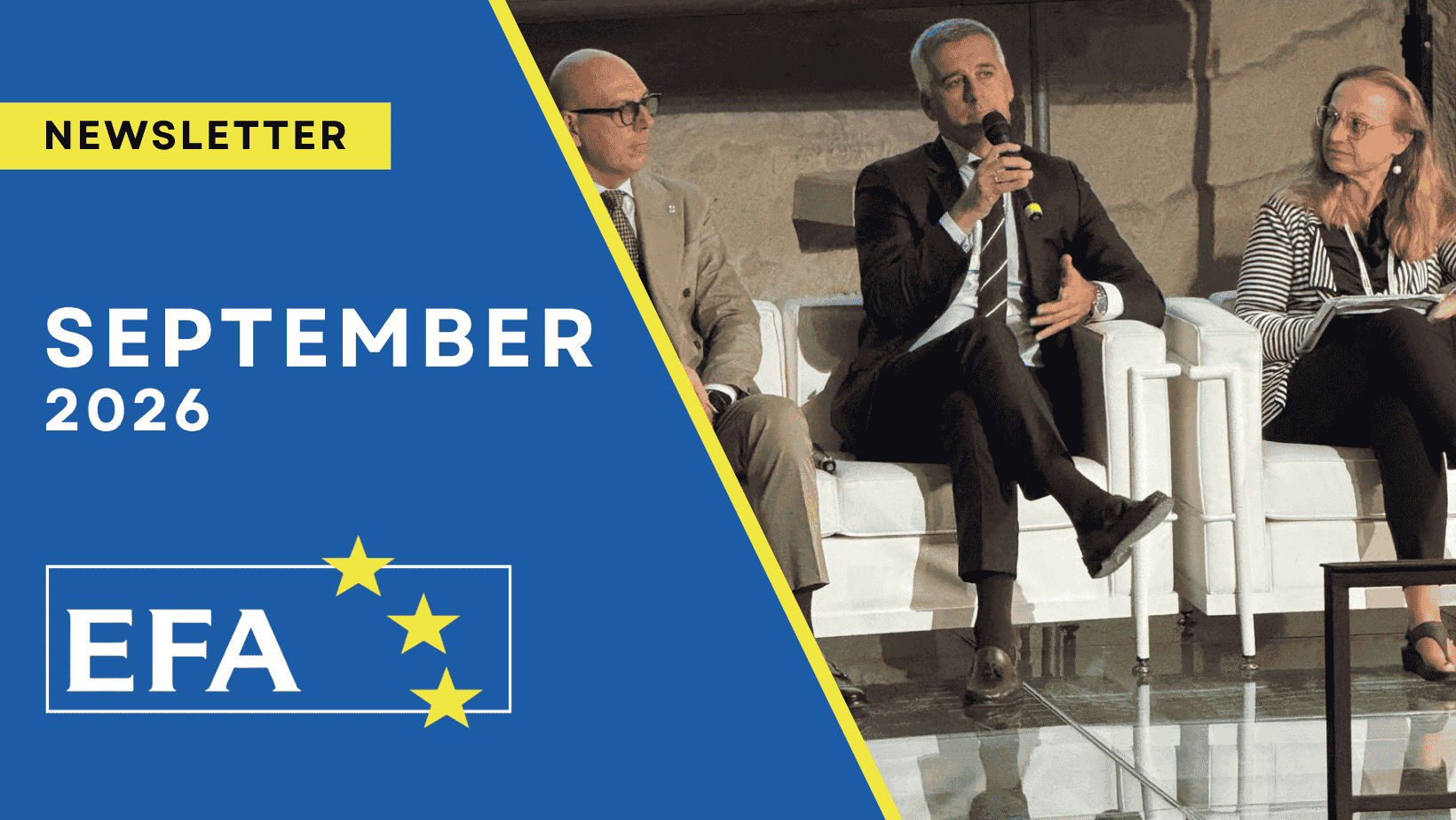

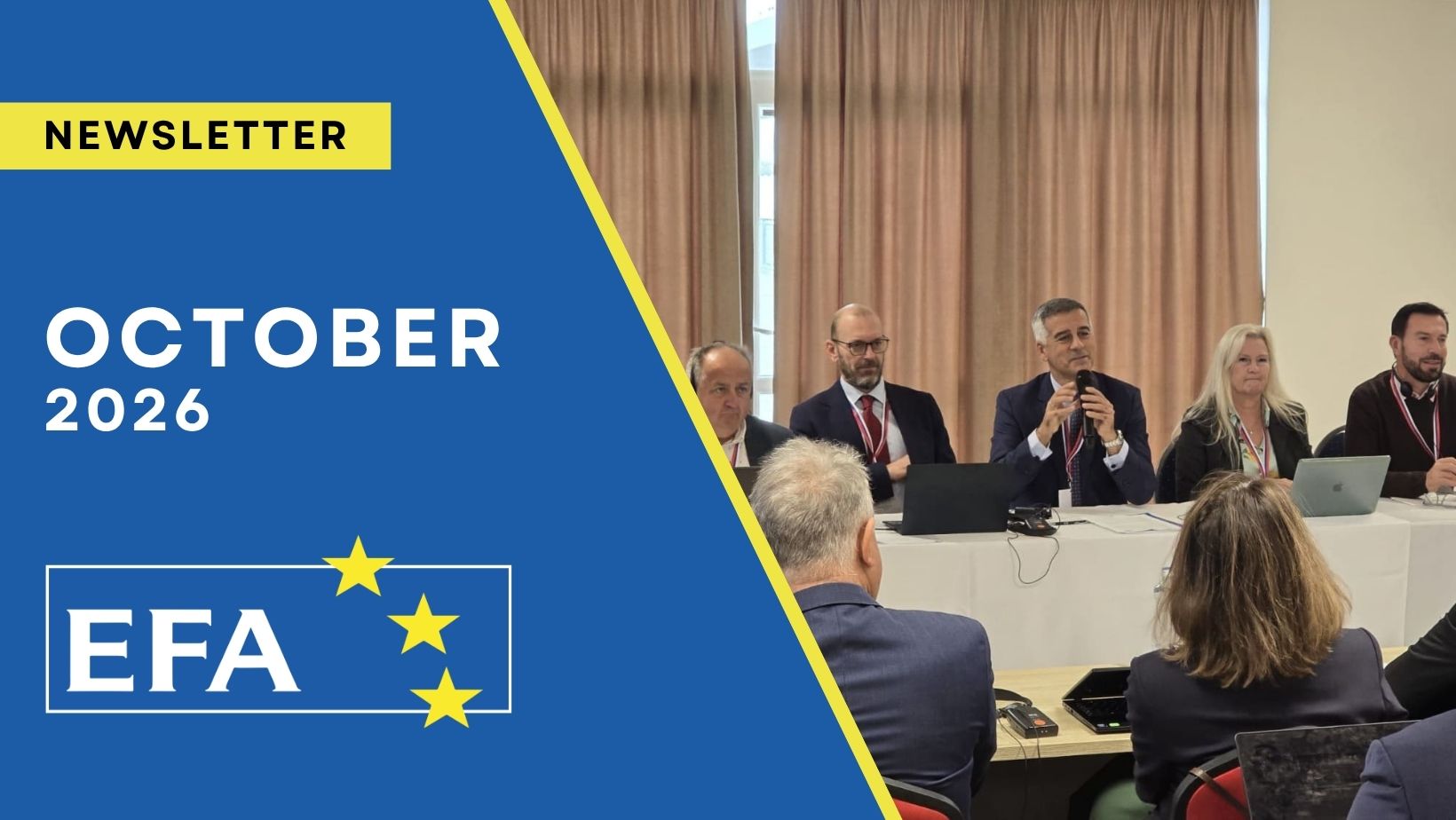
The European Driving Schools Association (EFA) held its General Assembly in the Slovakian Ring on 20–21 October 2026, hosted by the Slovak association of driving schools SKVZA.
SKVZA President Ing. Jozef Rohal opened the proceedings.
The programme brought together speakers from universities, industry, emergency services and driving school associations.
On the training side, Ing. Jozef Rohal presented his project for driving schools certified to European standards. Ing. Jan Vrabel of the University of Žilina described the new curricula, training structure and driving tests in Slovak driving schools. TSS GROUP showed modern approaches to instructor training, including a new geolocation system for monitoring driving lessons. AAŠČR President Ing. Aleš Hořčička presented a virtual reality platform that helps learners prepare for the first stage of the driving test.
Research and technology also featured strongly. Prof. Gianluca Di Flumeri of Sapienza University of Rome presented a study on hazard perception among drivers of automated vehicles, linked to the “Yellow Car” video produced by EFA with JellyLearn. Other speakers looked at hydrogen mobility and new powertrains, the challenges of fighting fires in electric vehicles, the qualifications needed for fuel tanker drivers under ADR rules, and the state of compulsory motor insurance in Slovakia and the EU.
The next EFA event will take place in Sweden on mid June 2027. EFA warmly thanks Jozef Rohal and the SKVZA team for organising such a successful event.
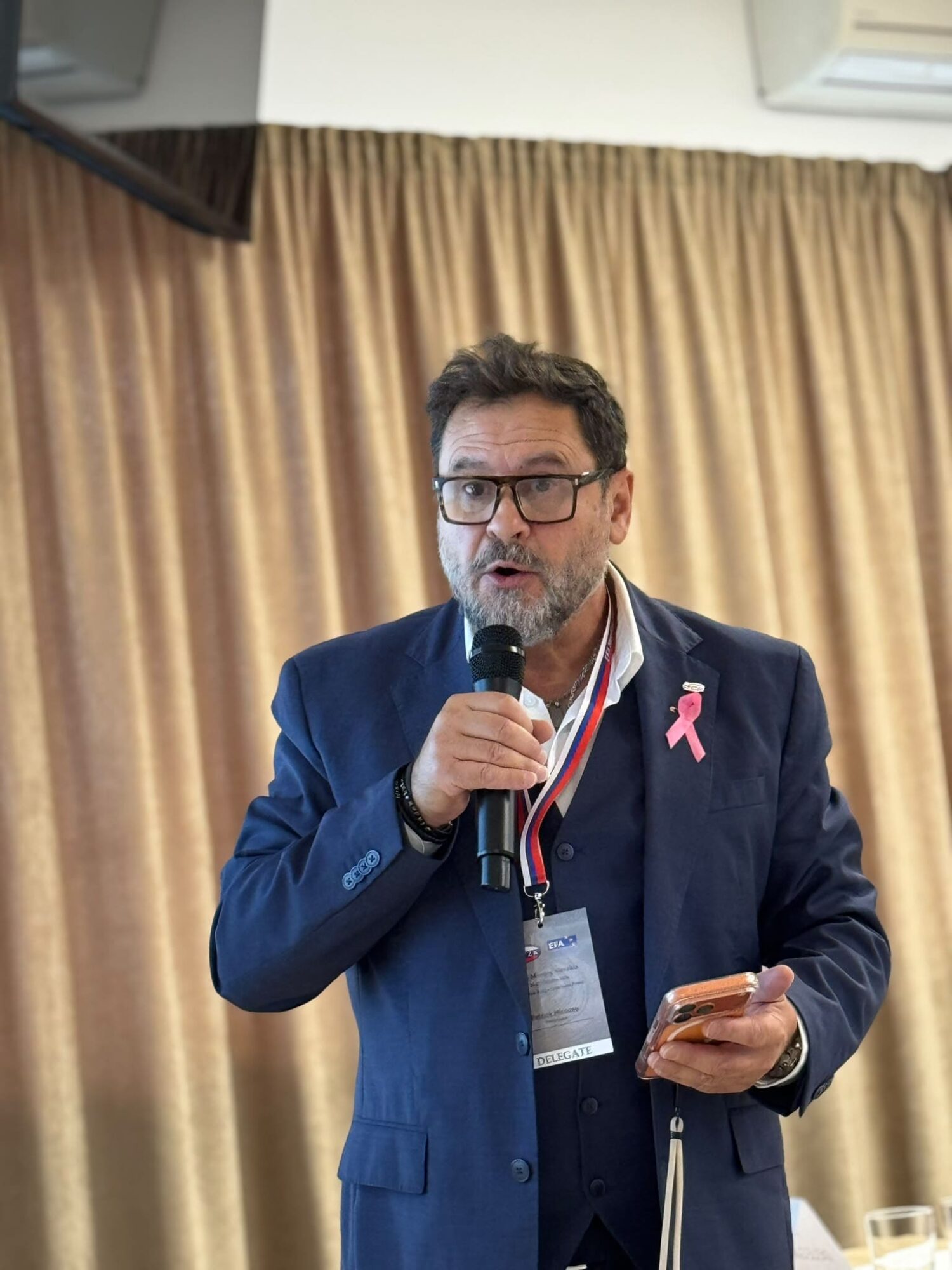
Patrick Mirouse – ECF
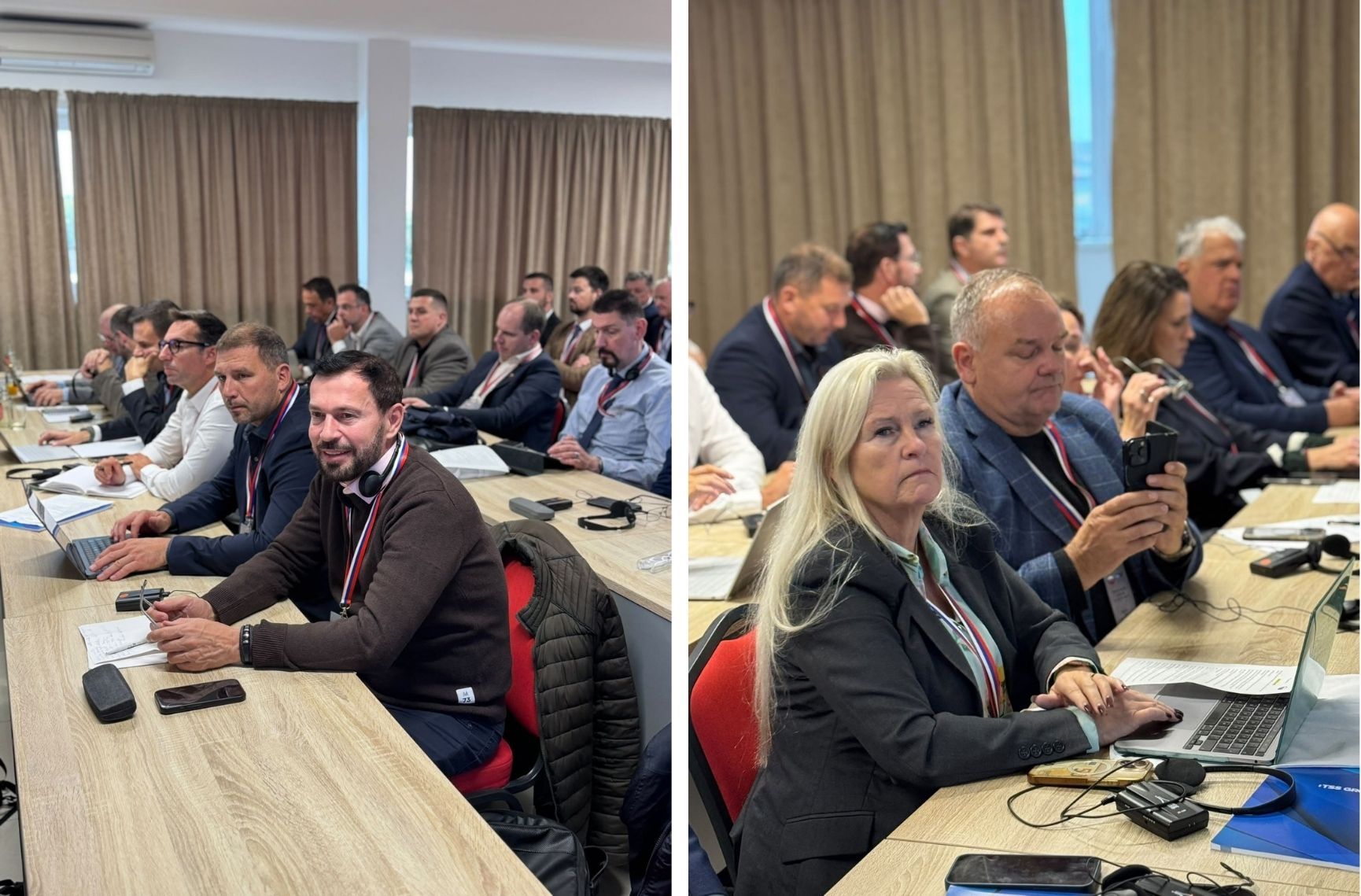
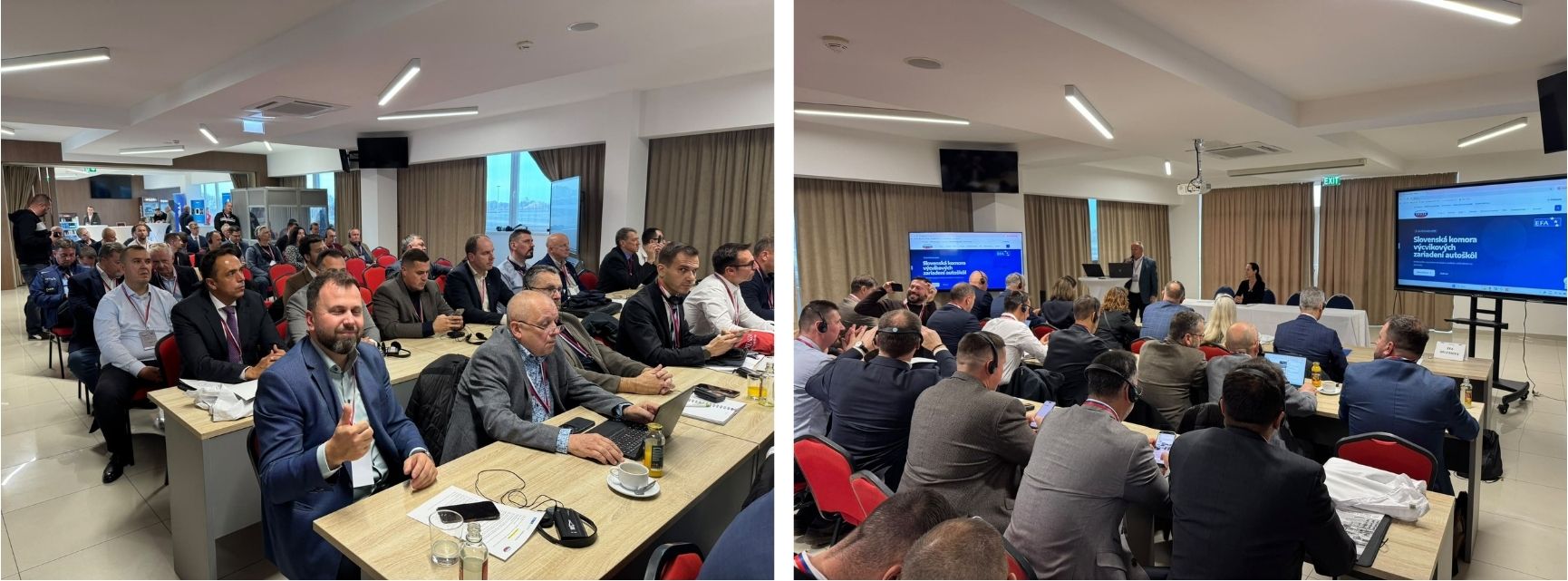
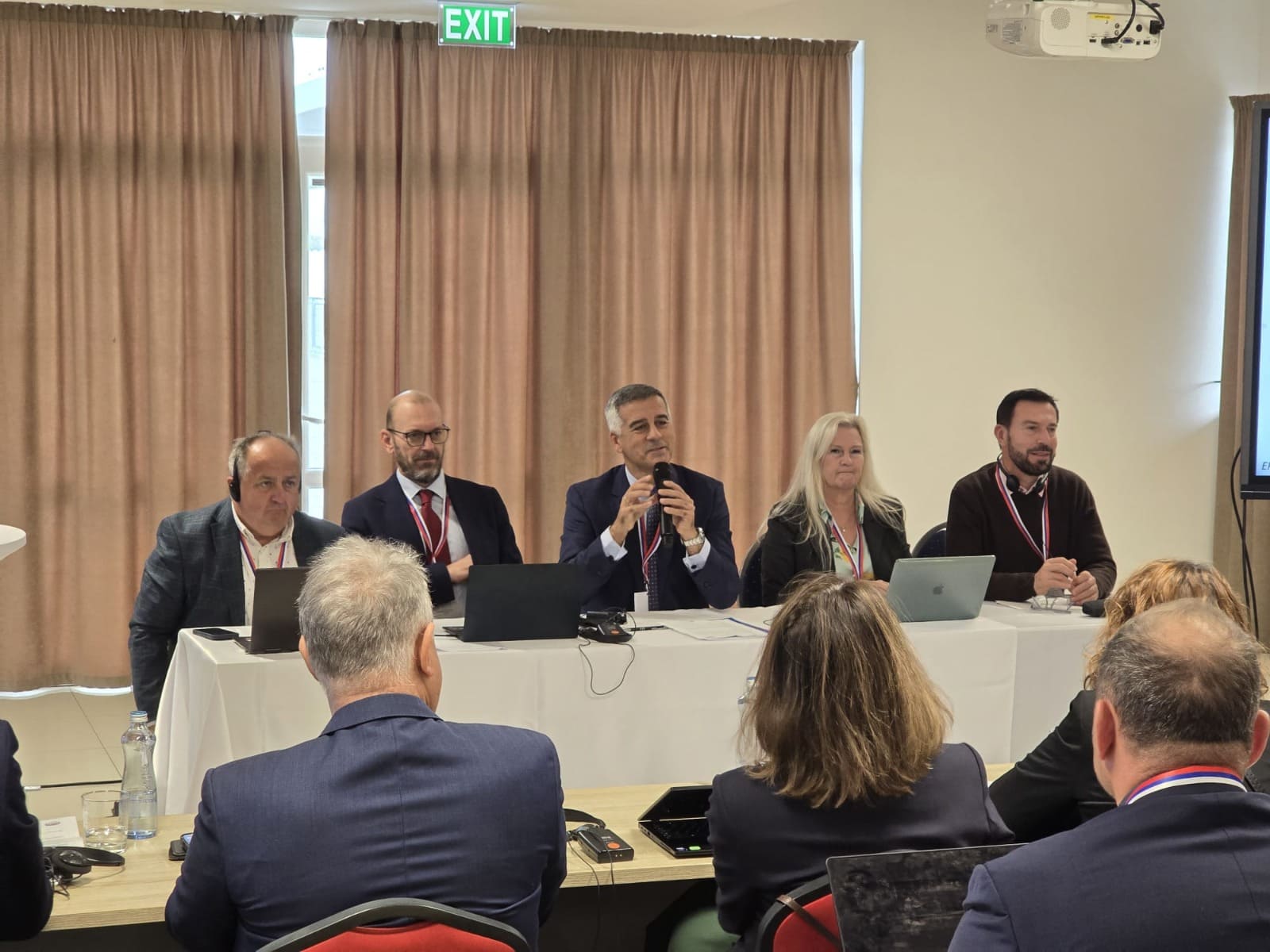
EFA Board and Jozef Rohal (left)
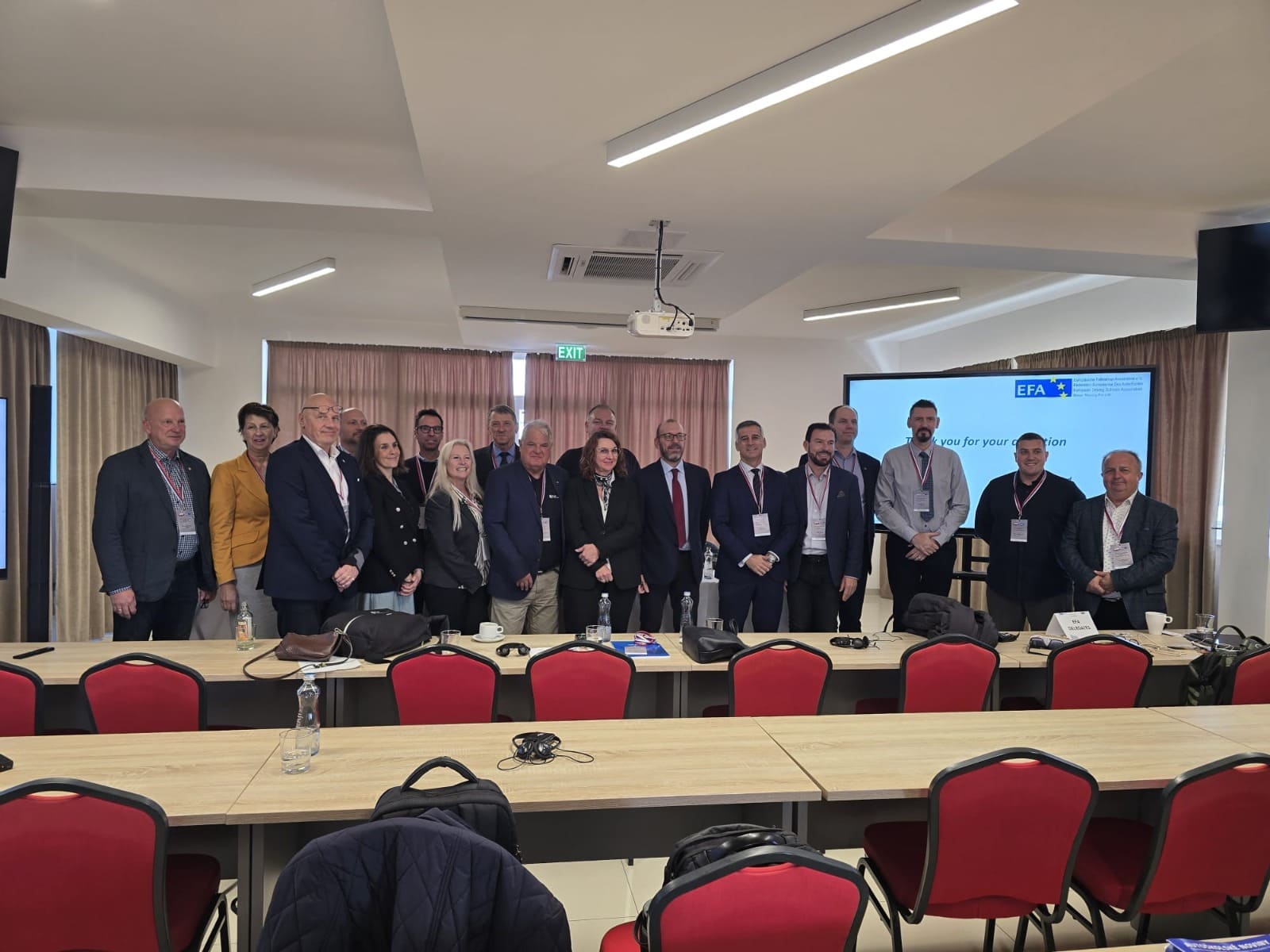
Some EFA Members
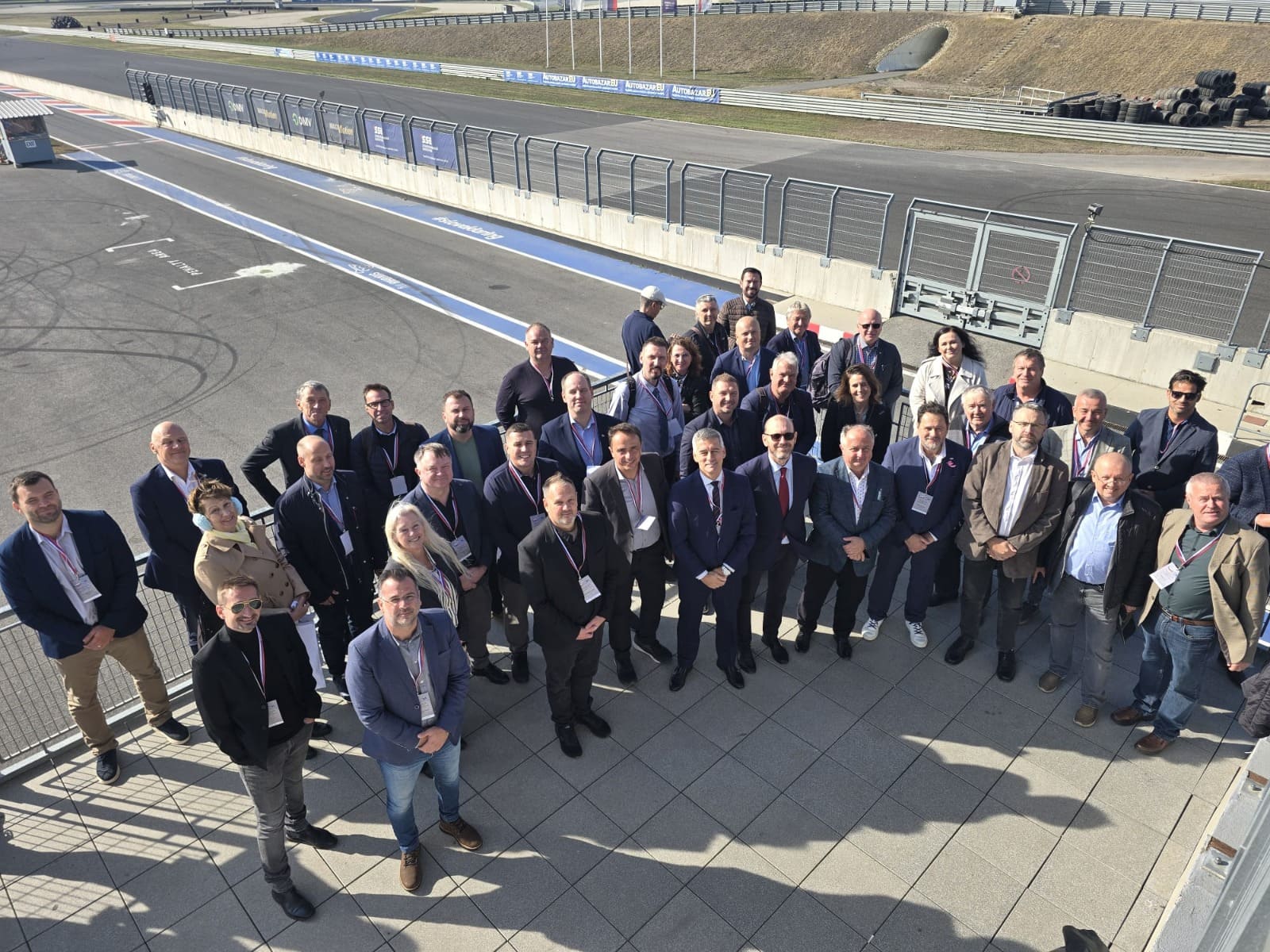
EFA Members in the Slovakian Ring
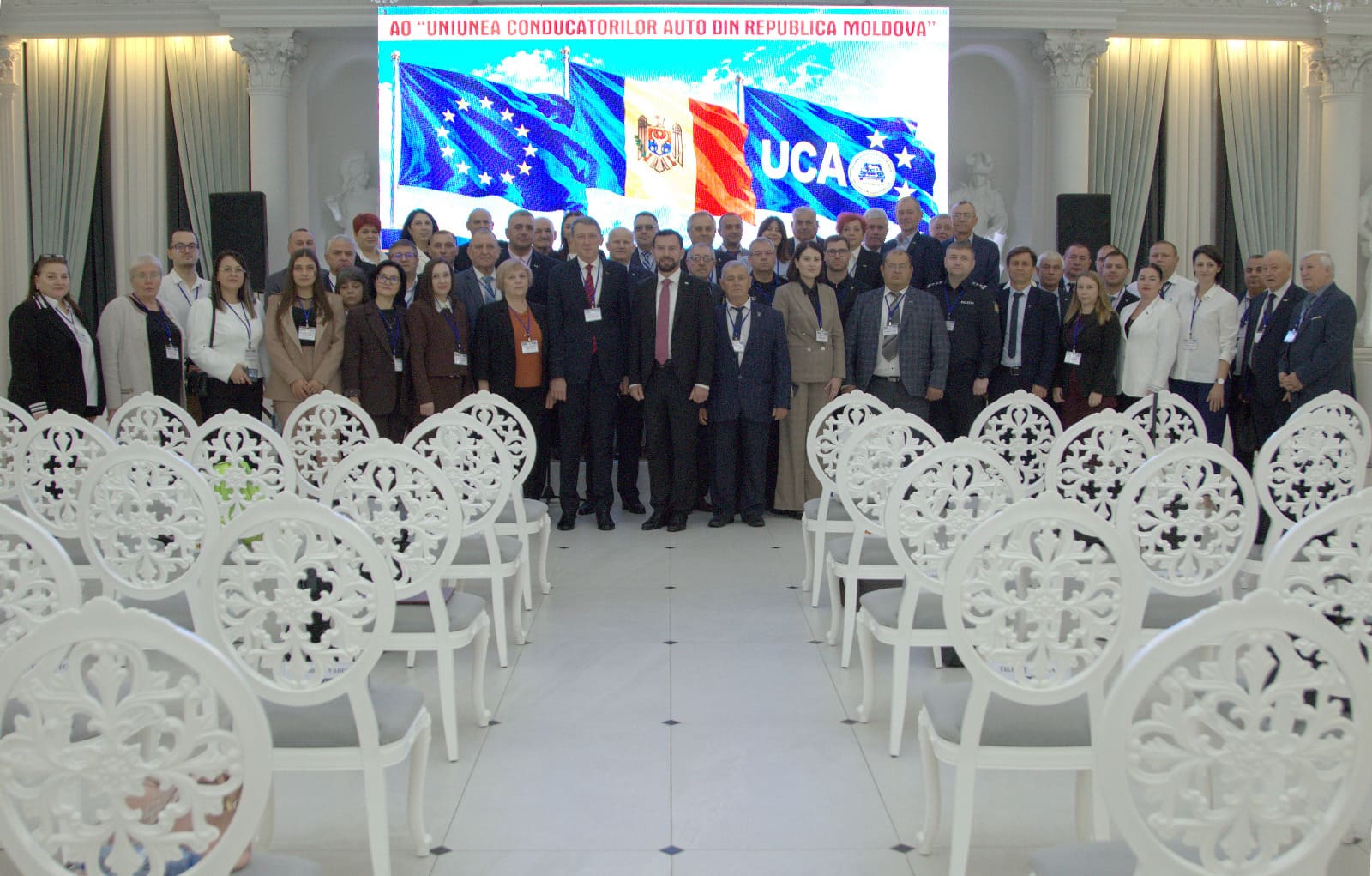
EFA congratulates Oleg Cojocaru, president of the Moldovan Driving Schools Association, on the success of the event.
Below are the statements from President Cojocaru:
In November 2006, at the EFA summit in Bulgaria, the Union of Drivers of the Republic of Moldova became part of the large family of European driving schools. We were brought together by shared values: a responsible approach to driver education, care for people, and a commitment to making Europe’s roads safer.
On 29 October 2026, a celebratory congress of the Union of Drivers of the Republic of Moldova took place in Chișinău, marking the 20th anniversary of the organisation’s accession to the European Driving Schools Association (EFA). The event was attended by EFA Vice-President Mr Stefan Ebner and representatives of Moldovan state authorities.
For our organisation, this anniversary is an opportunity to express our gratitude to our EFA colleagues for their friendship, new teaching methods, the exchange of best practices, and cooperation. We cherish these ties and look forward with warmth and confidence to continuing our shared work alongside our European friends.

In the foreground on the left: Oleg Cojocaru, President of the Moldovan Driving Schools Association
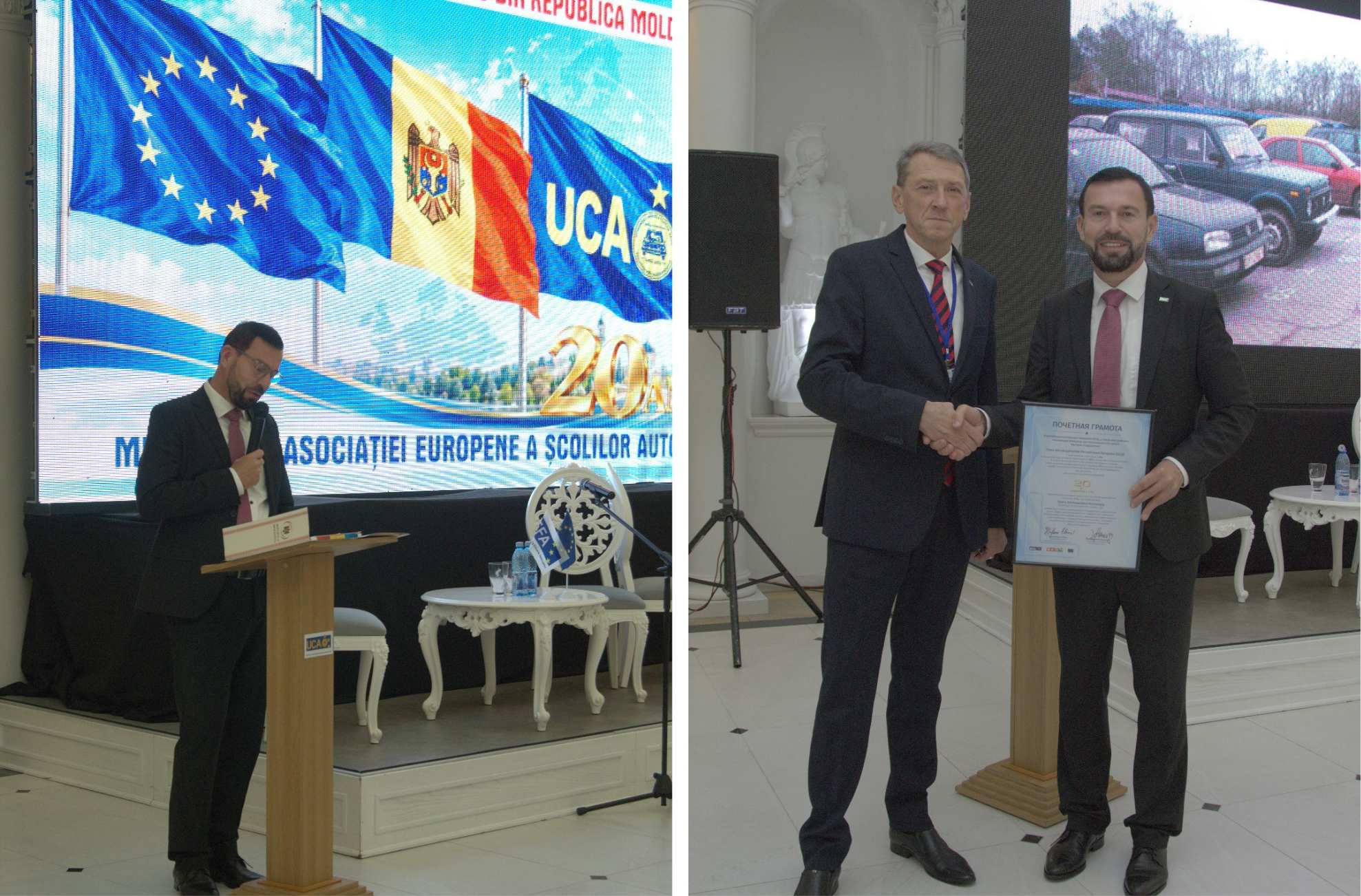
Left photo: Stefan Ebner. Right photo: Oleg Cojocaru (left) and Stefan Ebner (right).
At the closing session of the 20th ANIECA Congress, the Association and the National Road Safety Authority (ANSR) signed a landmark “Commitment to Action”. The agreement places the nationwide network of driving schools at the service of promoting and strengthening road safety education directly within schools.
The agreement was signed by António Reis, President of ANIECA, and Pedro Clemente, President of ANSR, with formal endorsement and presence from Rui Rocha, Secretary of State for Civil Protection.
Valid through end-2027, the commitment features a flagship pilot project titled “Safe Micromobility”, designed for students in the second and third cycles of basic education (ages 10 to 15).
Additionally, a joint working group will be established within 30 days to update the Road Safety Education Framework, incorporating guidelines for modern urban transport, including e-scooters, bicycles, and electric scooters.
This collaboration between ANSR and ANIECA highlights the vital role of education, professional training, and joint action in preventing traffic accidents and continuously improving road safety standards.
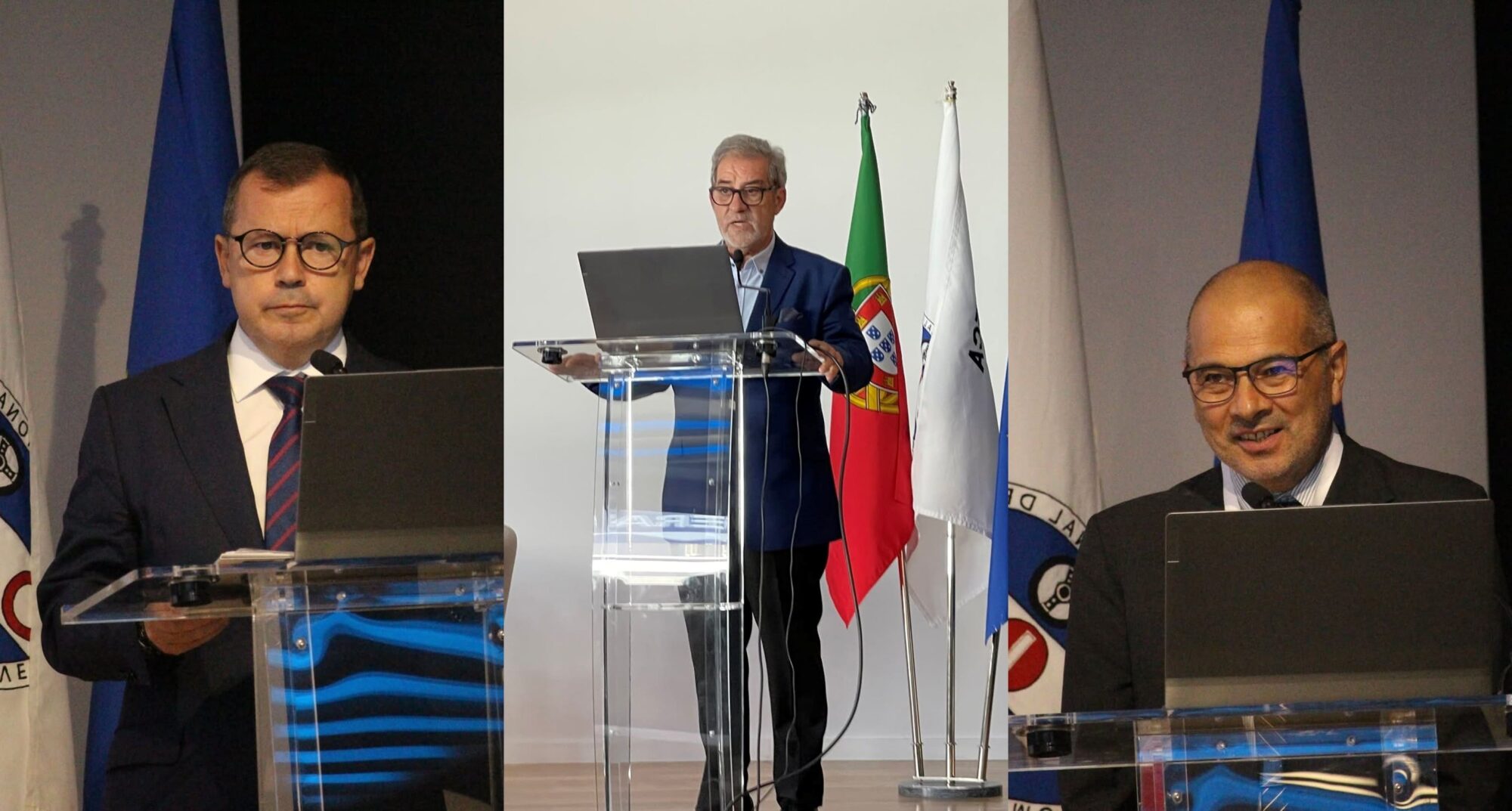
From left: Dr. Rui Rocha, Antonio Reis, Prof. Pedro Clemente

Members of Parliament in the Assembly of the Republic and representatives of all parties
A new initiative from Germany uses music and storytelling to bring road safety lessons back to drivers at the moment they matter most, and invites driving schools across Europe to join in.
German non-profit association Hellwach mit 80 km/h e.V. has launched “THE ROAD KEEPS COUNT!”, a road safety campaign combining music, storytelling and emotional engagement. The campaign will culminate on 15 November 2026, the World Day of Remembrance for Road Traffic Victims, with the official release of eight prevention songs in German and English.
Founded in Mannheim in 2018, the association brings together members from the transport and logistics industry and road safety organisations. Its original mission was to prevent fatal rear-end collisions involving heavy goods vehicles, particularly at the tail end of motorway traffic jams. Through its “Max Eighty” initiative, it promotes alertness, safe following distances, reduced distraction and mutual respect on the road.
The campaign is built around an approach the association calls Emotional Prevention. Professional drivers often know the risks, yet fatigue, time pressure, distraction and monotonous conditions can still lead to unsafe decisions. “Knowledge tells us what is right. Emotion may remind us to do it when it matters most,” says spokesperson Dieter Schäfer, former Head of Traffic Police in Mannheim.
The eight songs tell the stories of professional drivers, their families and dangerous moments on the road. One of them, “The Silent Victims”, focuses on the people whose lives are changed forever by a fatal crash: partners, children, friends, witnesses and emergency responders.
The organisers stress that music is not intended to replace established road safety measures, but to offer an additional communication channel. As they put it: the music is the vehicle; road safety is the message.
Because driving schools and instructors play a key role in shaping attitudes and responsibility, the association is inviting EFA member organisations, driving schools, instructor networks and road safety educators to help spread the campaign through their websites, newsletters, social media and professional networks.
Ready-to-use campaign images and social media messages will be available from 11 to 15 November 2026. On 15 November, partners are invited to amplify the central message: “THE ROAD KEEPS COUNT! – COME HOME SAFE!” Partners may also continue using the songs, videos and educational messages afterwards, including in awareness activities and driver training. Participation is voluntary, and materials are available for non-commercial road safety communication.
Contact: Dieter Schäfer, Spokesperson, Hellwach mit 80 km/h e.V. – dieter.schaefer@onlinehome.de
How children get to school shapes far more than their mornings. A new Factsheet from the International Transport Forum (ITF), How Do Children Go to School?, compares school travel across countries and shows how these daily trips affect congestion, emissions, road safety and, ultimately, the mobility habits young people carry with them when they sit in front of a driving instructor for the first time.
Among 35 ITF member countries with comparable data, more than half have at least 47% of children travelling actively (on foot or by bike). Denmark, Japan, Finland and Korea all exceed 74%. In Japan, 82% of elementary pupils walk to school, while in the Netherlands nearly half of primary-school trips are made by bicycle, rising to over 80% among secondary pupils.
The opposite trend is visible elsewhere. In the United States, the share of children driven to school jumped from 12% in 1969 to around half today. Distance plays a key role: Dutch children walk or cycle on 92% of trips under one kilometre, but only on 54% of trips between two and five kilometres. School choice matters too, as private schools in Quebec are on average almost four times farther from home than public ones.
School journeys concentrate traffic at the busiest times of day. In London, drop-offs account for 27% of car-driver journeys in the morning peak, and in Beijing school runs raise the likelihood of congestion by 4.5 percentage points. In the Netherlands, schoolchildren make up to 40% of cyclists in the morning peak hour, a reminder that drivers share the road with large numbers of young, vulnerable users at exactly the same times every day.
For driving instructors, these findings are highly relevant. Teaching learner drivers how to behave near schools (reduced speeds, anticipating children crossing between parked cars, respecting school crossing patrols and pedestrianised school streets) is a direct contribution to the safety of the youngest road users. Training sessions scheduled at school opening and closing times can offer valuable real-world experience of these high-risk situations.
There is also a longer-term link. Children who grow up walking, cycling and using public transport develop hazard awareness and an understanding of the road from the perspective of vulnerable users. Young people who have always been driven to the school gate may arrive at the driving school with less traffic experience. Driver education can help bridge this gap by giving vulnerable road users a central place in the curriculum.
The ITF highlights several measures already in use:
The ITF stresses that breaking car dependency requires more than asking families to change habits: streets, school locations and public transport must make walking, cycling and transit realistic choices. Driving schools, as educators of the next generation of drivers, are part of that picture.
The European Road Safety Charter (ERSC) looks at how countries across Europe are responding to the boom in e-scooters. As use grows rapidly, a new wave of legislation is emerging, with stricter rules aimed at improving safety and addressing public concerns.
Since the EU framework is only partial, each Member State can set its own rules on traffic, road safety and urban mobility, including speed limits for scooters and restrictions on where they can be used.
The result is a patchwork of national reforms:
According to the ERSC, these measures reflect a broader European trend toward stricter regulation of e-scooters, as authorities try to balance the benefits of micromobility with the safety of riders and other road users.
The CCAM Partnership has released its Performance Assessment and Projects Monitoring Report 2024-2025, carried out by fka GmbH through desk research, KPI analysis and interviews with 38 projects. The findings confirm substantial progress towards the Partnership’s strategic goals, notably in vehicle safety, validation methodologies, knowledge sharing and common evaluation tools. The report also shows how individual projects contribute to the CCAM Strategic Research and Innovation Agenda, building a more connected European research ecosystem. Further efforts are needed on large-scale demonstrations, cross-border testing, data sharing, societal acceptance, business models and human-machine interaction. Many of these challenges require coordinated action across the wider CCAM community. As FP10 discussions get underway, the report stresses the value of this systemic approach to accelerate deployment and boost European competitiveness.
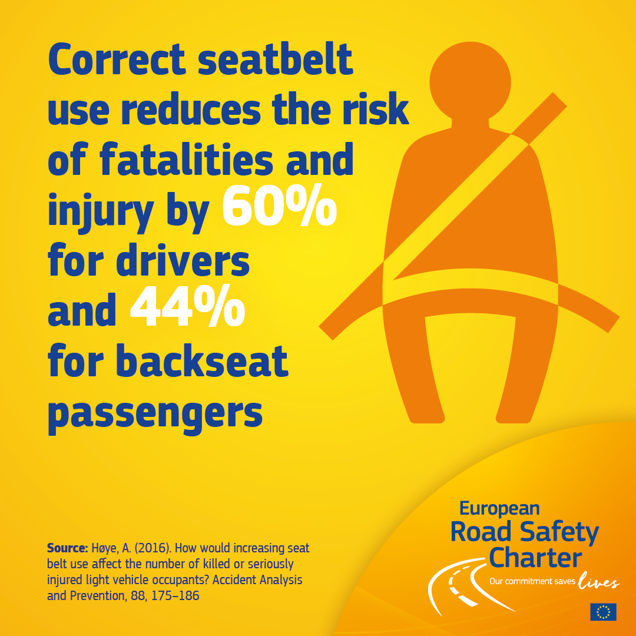
The European Road Safety Charter (ERSC), the European Commission’s road safety community, reminds us why seat belts remain essential. They’ve been around for decades, yet they are still among the most effective passive safety systems ever introduced in road transport. They don’t prevent crashes, but they reduce the severity of injuries when a collision occurs.
According to the ERSC, there’s still work to do: in 2023, around 27% of all car occupants killed in road crashes were not wearing a seat belt at the time of the crash.
Two groups deserve particular attention. Rear-seat passengers are a key target group for road safety interventions, given the widespread perception that the back seat offers enough protection without a belt. And for children, standard adult seat belts do not provide adequate protection, so the right child restraint system is essential.
The good news is that the technology keeps improving. Advances in seat belt design are further strengthening occupant protection, showing that even a well-established safety measure continues to evolve and save lives.
The message is simple: every seat, every trip, every time.