Authorisation of self-driving vehicles in the European Union
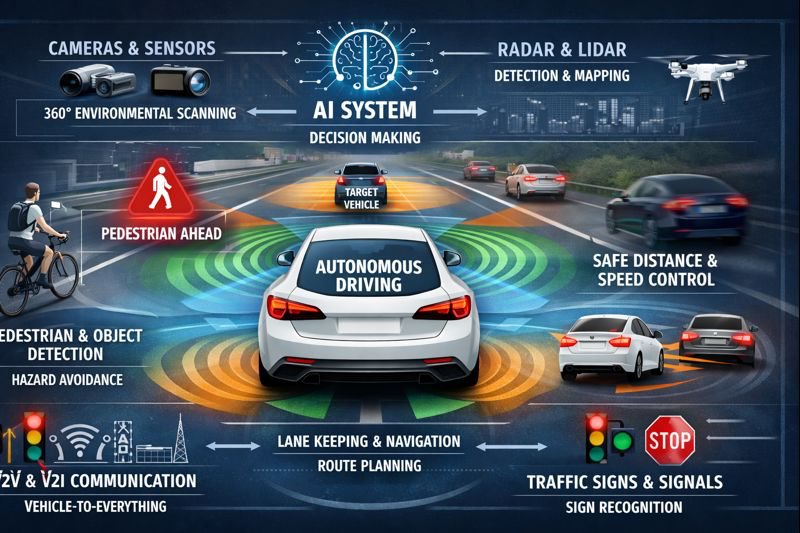
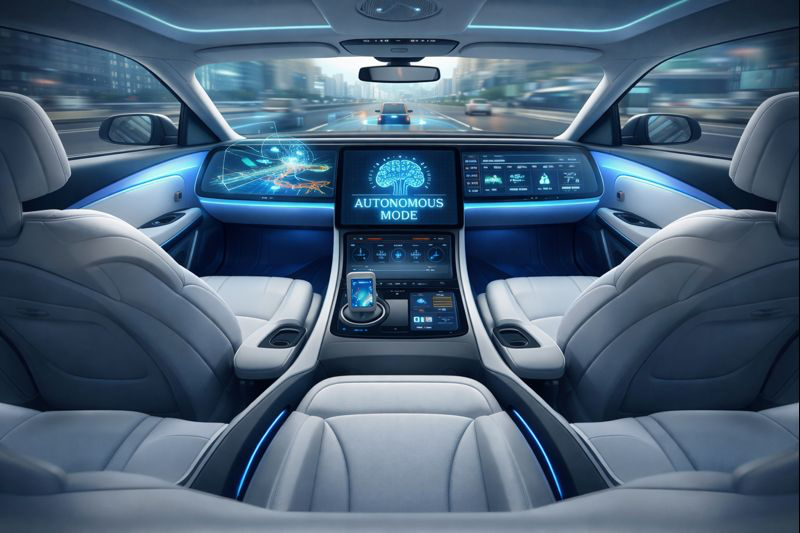
Self-driving vehicles are perceived worldwide as an important innovation with potentially significant benefits in terms of road safety, efficiency and mobility. However, while countries such as the United States and Japan are already experimenting extensively with commercial applications, self-driving vehicles remain largely prohibited or very restricted in the European Union.
Why is the European Union lagging behind with regard to the authorisation and
regulation of self-driving vehicles?
Download the full text and the answer from the EU Commission
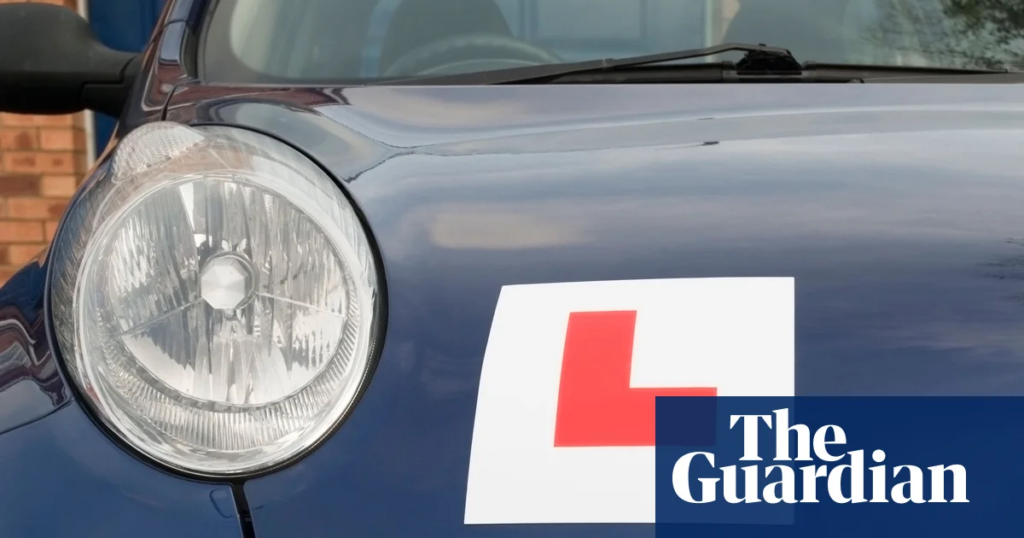
Driving test cheating up 47% in Great Britain, prompting road safety concerns
This Guardian article highlights a sharp rise in attempts to cheat driving tests across England, Scotland and Wales, raising serious concerns about road safety and the integrity of the licensing system. According to the Driver and Vehicle Standards Agency (DVSA), recorded cheating cases increased by 47% in the year ending September 2025, reaching 2,844 incidents. The report explains that the growth is linked to both increased cheating and improved detection methods. Technology-assisted fraud, such as Bluetooth earpieces during theory tests, remains a major issue, alongside impersonation in both theory and practical exams. With long waiting times for tests, authorities are strengthening checks and prosecutions.
Read the full text here:
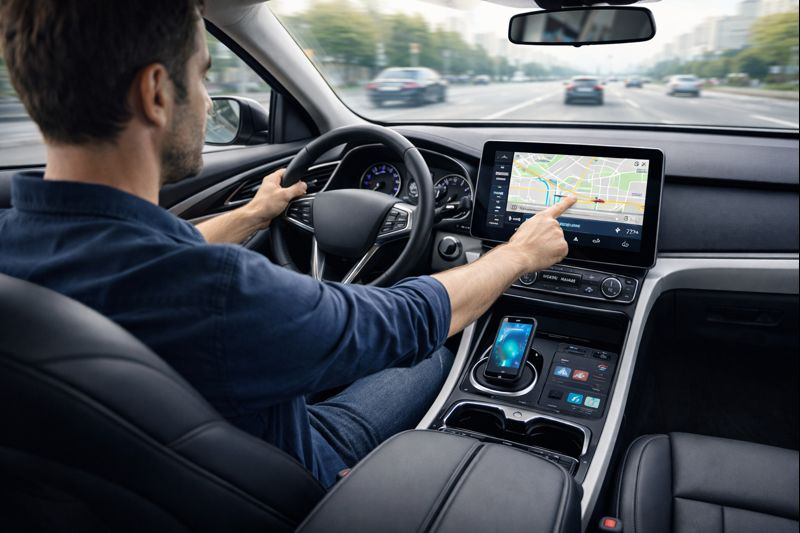
Are the increasing amounts of tech in our cars driving us to distraction?
This article examines how digital distraction has become one of the most serious threats to road safety, often leading to slower reactions, reduced awareness, and risky driving decisions. While “distracted driving” is commonly associated with mobile phone use, the text explains that distraction can also be visual, manual, cognitive, and auditory—sometimes all at once. It also raises an important question: is the real danger only the smartphone, or are modern in-car touchscreens creating new risks as well? By discussing research findings, technology trends, and driver behaviour, the article highlights why managing distraction is essential for safer roads. Read the full article here:
Dublin, Ohio, deploys AI pedestrian lighting system
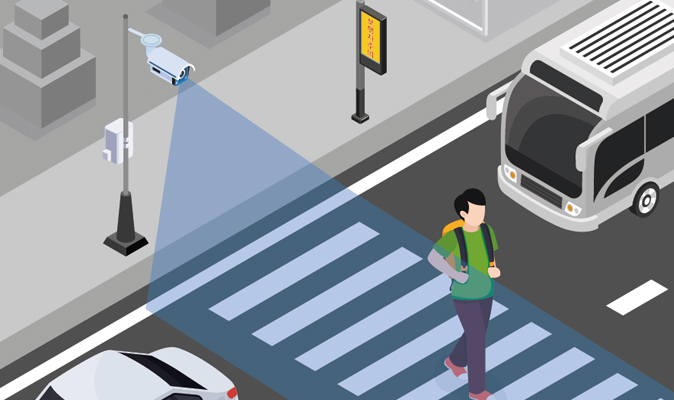
TTI Magazine publishes an interesting article on innovative AI-integrated pedestrian crossings. The example could also be replicated on European crossings.
The City of Dublin, Ohio, has deployed an AI-powered pedestrian safety system from ISS (Intelligent Security Systems) to improve visibility and driver awareness at a neighborhood crosswalk.
The SecurOS Soffit system has been installed at the Brand Road pedestrian crossing near Coventry Woods Drive following concerns from residents about nighttime visibility and vehicle speeds in the area.
City officials evaluated traffic patterns, pedestrian volumes and speed data before selecting the Soffit system as an additional safety measure at the crossing.
Read the full text here:
The road to sustainable transport
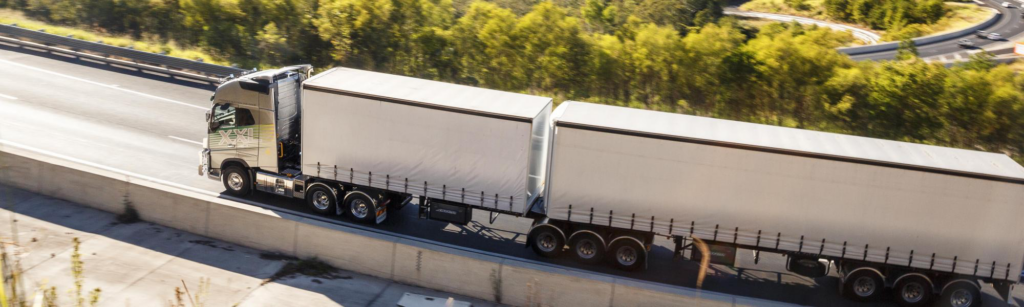
The driver training can cut fuel consumption by 15%, while eco-truck combinations (two trailers instead of one) can reduce a truck’s CO₂ emissions by 30%.
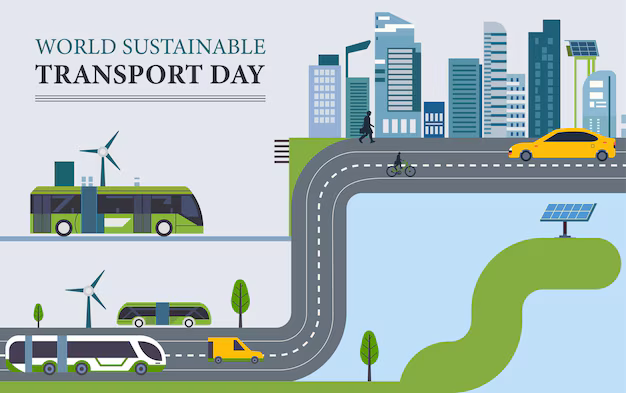
IRU called for a grounded and immediate approach to sustainable transport at the launch of the UN Decade of Sustainable Transport 2026–2035 in New York.
Road transport is the lifeline of society, keeping us fed, healthy and supplied with life’s essentials. It gets us to school and work and connects us with our loved ones. All eight billion people who share this planet depend on it.
Read the full article:
https://www.iru.org/news-resources/newsroom/road-sustainable-transport
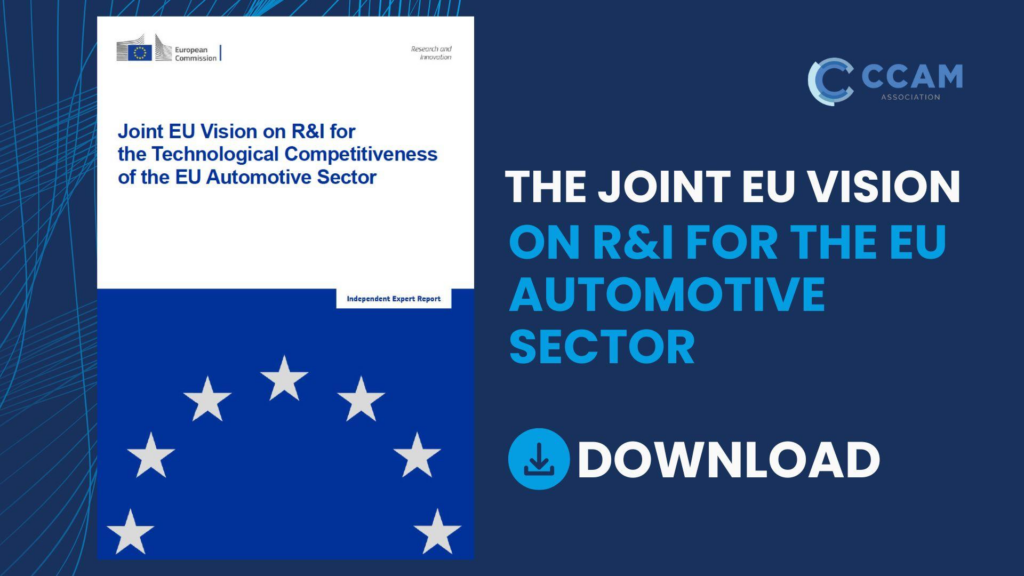
Joint EU Vision on R&I for the Technological Competitiveness of the EU Automotive Sector
This publication outlines a joint European Union vision on Research and Innovation (R&I) to strengthen the technological competitiveness of the EU automotive sector. It provides a strategic framework to guide priorities for investment, coordination, and collaboration among institutions, industry, and key stakeholders at a time when the automotive ecosystem is undergoing a major transformation driven by electrification, digitalisation, software development, and artificial intelligence.
The document highlights the importance of avoiding fragmentation across Europe and promoting a more coherent approach to strategic programmes and initiatives. It stresses the need to build a strong innovation ecosystem capable of supporting industrial resilience, accelerating technological progress, and ensuring sustainable growth. The main technology domains are presented with attention to their expected economic, environmental, and societal impacts. Within this wider context, the article also references education and skills development, recognising that a properly trained workforce is essential to manage the transition and secure high-quality jobs.
However, it is important to underline that the article does not address driver training or the education of driving instructors. As vehicles rapidly evolve through advanced driver assistance systems, connectivity, and automation, driver education should be updated and aligned with these emerging technologies. This is a crucial topic that deserves greater focus, and it should be explicitly integrated into future strategies to ensure that road users are prepared for the new generation of vehicles.
Read the full report.
17th ITS European Congress 2026
The next ITS European Congress will take place in Istanbul, Türkiye, from 27 to 29 April 2026, under the theme “Bridging Innovation: Integrated, safe and seamless mobility.” For over 30 years, ERTICO has been connecting minds and stakeholders to turn innovation into action through the ITS Congresses, creating a high-level platform for smart mobility across Europe.
The ITS European Congress is Europe’s leading event on intelligent transport and smart mobility, bringing together public authorities, industry leaders, researchers, and international organisations to exchange knowledge, engage in strategic dialogue, and showcase innovations and real solutions already deployed on the ground. It is also an open invitation for cities to share their interest in hosting future editions: the Call for Tender is now open for European cities wishing to host the ITS European Congresses in 2028 and 2029, as well as the ITS World Congress in 2030 in the EMEA region.
Read more at: https://2026.itseuropeancongress.com/its-istanbul

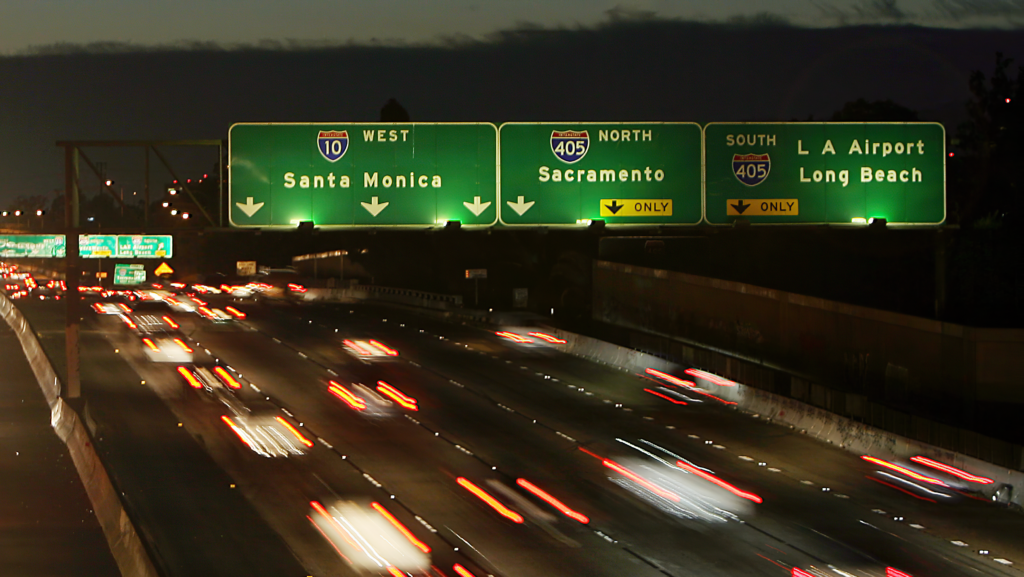
Why Are Highway Signs Green? 5 Key Reasons You Might Not Know
This article from NDTV Travel, an Indian travel and lifestyle publication, explains the safety and design reasons behind the familiar green highway signs seen across India and the world. Rather than being a random choice, the green-and-white colour scheme is based on traffic research, human psychology, and international standards. The text highlights how green signs improve visibility and readability at high speeds, help drivers recognise road types instantly, and reduce stress and visual fatigue during long-distance travel. It also emphasises the importance of consistent colour coding across road networks, making navigation clearer for both local drivers and international travellers. Read the full article here:
https://www.ndtv.com/travel/why-are-highway-signs-green-5-key-reasons-you-might-not-know-10741359