


Spain’s National Confederation of Driving Schools (CNAE) has re-elected Enrique Lorca as president for a new term. Two candidacies were originally set to contest the July 11 election: one led by Rubén Castro, president of the Asturian driving schools’ employers’ association, and the other headed by Lorca, president of the Murcia provincial driving schools’ association. Days before the vote, Castro withdrew his bid, which under CNAE’s statutes triggered the direct election of Lorca’s slate, also including Teresita del Niño Jesús Coll, Emilio Fernández, Rafael Cruz, Joana Ribas, Sergio Olivera and José Blas Valero.
Lorca has led CNAE since 2020 and the European Driving Schools Federation (EFA) since 2019; he also chairs the Ibero-American road-safety education association AICEFOV and the Road Safety Alliance (ASV).
The re-elected team says it will keep working to improve driving-test capacity, defend driving schools’ interests and strengthen the profession’s standing, building on recent efforts such as the campaign against Article 62 of Spain’s Traffic Law and CNAE’s involvement, via EFA, in shaping the EU’s new driving licence directive. Talks with the Interior Ministry on Germany’s accompanied-driving model are also ongoing. Looking ahead, CNAE identifies the exam-capacity shortage and the rise of autonomous vehicles as its main strategic challenges.

Enrique Lorca
ANIECA held its Board elections on 23 May, resulting in the re-election of António Reis as President of the Board of Directors. The elected list received 96.16% of votes cast, reflecting strong member participation and a clear vote of confidence in the outgoing Board’s work.
Members also unanimously approved the Annual Report and Accounts, awarding the Board a vote of commendation in recognition of its commitment over the previous term.
Commenting on the result, President Reis stated: “This result strengthens our responsibility to continue defending the interests of the driving education sector, enhancing the value of the profession, promoting its modernisation, and reinforcing ANIECA’s institutional credibility with public authorities and official institutions.”
Looking ahead, the re-elected Board reaffirmed its commitment to constructive dialogue with stakeholders and to finding effective solutions to the challenges facing the driving education sector across the term ahead.
EFA congratulates ANIECA and President Reis on this strong mandate and looks forward to continued collaboration.



Throughout June 2026, the Guild of Driving Teachers — Lithuania’s national representative of the European Driving Schools Association (EFA) — carried out a string of activities that reveal an organisation determined to shape the country’s driver-training policy rather than simply respond to it. Across three separate initiatives, the Guild engaged with international road-safety experts, contributed to university research, and, most notably, reopened a long-dormant line of communication with Lithuania’s Ministry of Transport and Communications.
On 19 June, Dr. Mindaugas Vilkickas, head of the Guild, took part in the seminar “Driving at an Older Age,” organised by the European Road Safety Charter. Vilkickas did not attend merely as a spectator: he delivered his own presentation, “Technology in the Car: Driver Assistance or an Additional Challenge? Adapting to Change,” addressing how modern in-car technology affects older drivers.
The seminar brought together experts who discussed how continued driving ability supports independence, an active lifestyle, and overall quality of life for older people. In his remarks, Vilkickas stressed the need for continuous professional development among instructors, a responsible approach to driving, and a broader culture of road safety. His participation reflects a pattern that runs through all three June events: the Guild positioning its leadership at the centre of national and European conversations on road safety, rather than waiting for policy to be handed down from above.
Ten days later, on 29 June, two Guild members, Edvinas Rutkauskas and Edvardas Vanagas, joined a discussion at Vytautas Magnus University titled “Strengthening Driving Competences Among Older Drivers.” The event, featuring presentations by Dr. Laura Šeibokaitė and fellow researchers, unveiled the findings of a three-year research project examining the cognitive abilities of older drivers, the value of regular driving practice, hazard perception, potential driving restrictions, and the growing role of assistive technologies.
While researchers acknowledged that the project’s results were less pronounced than initially expected, the discussion still clarified several practical directions — how to better understand driver behaviour across age groups, how to strengthen driving competences, and where such findings could eventually be applied: in driver training, professional development, prevention programmes, road-safety measures, and public education campaigns.
Crucially, Guild members did not attend as passive observers. They participated actively in the debate, contributing practical insights drawn from their day-to-day work training drivers, and left with a sharper understanding of how to assess the needs of drivers from different age groups. This willingness to translate academic findings into applied, on-the-ground expertise underscores the Guild’s role as a bridge between research and practice.
The most consequential development came later on 29 June, when the Guild held an official meeting with Lithuania’s Minister of Transport and Communications, Juras Taminskas, and Deputy Minister Dovilė Sujetaitė. The meeting was significant not only for its content but for what it represents: the end of a six-year gap in dialogue between the Guild and the ministry, spanning 2020 to 2026, a period the Guild attributes in part to the passivity of the leadership of the Lithuanian Transport Safety Administration — leadership that has since resigned.
The Guild welcomed the Minister’s openness, describing the meeting as bringing positive energy, renewed hope, and an opening for constructive future cooperation. But the substance of the meeting was equally important. The Guild presented the Minister and Deputy Minister with what it described as a critical situation spanning all three pillars of driver education in Lithuania: initial driver training, training for traffic offenders, and professional driver training under the CPC (Code 95) framework.
According to the Guild, the current regulatory framework, combined with a lack of oversight from responsible authorities, is turning driver education into a business where profit is generated by cutting corners on quality — a direct and pointed critique of the status quo.
Three specific problem areas were laid out during the meeting. First, systemic shortcomings: gaps in legal regulation and the absence of a coherent methodology for initial driver training. Second, weaknesses in process control, including ineffective procedures for training traffic offenders and legal inconsistencies affecting public road traffic. Third, a failure to meet international standards, with insufficient fulfilment of EU directive objectives and a notable lack of proactivity from the supervisory institutions meant to enforce them.

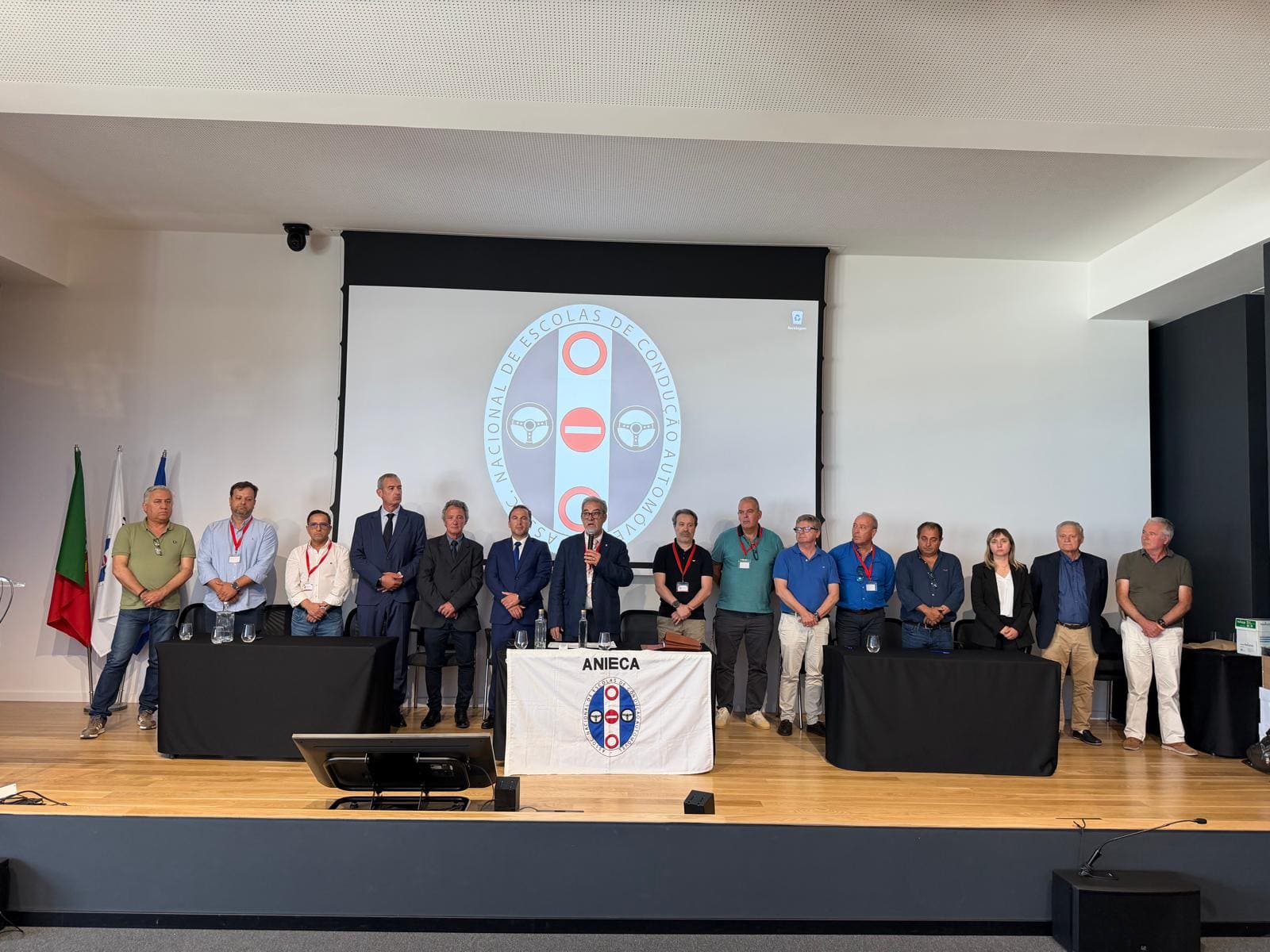
Mindaugas Vilkickas (The Guild of Driving Teachers), Juras Taminskas (Minister of Transport and Communications of the Republic of Lithuania), Dovilė Sujetaitė (Deputy Minister of Transport and Communications of the Republic of Lithuania), Oksana Šukaitienė (The Guild of Driving Teachers), Valdas Šlepikas (The Guild of Driving Teachers)

Mindaugas Vilkickas
Starting in July 2026, an important piece of Europe’s road safety framework falls into place. Every new vehicle registered in the European Union will need to be equipped with an Advanced Driver Distraction Warning system, known by the acronym ADDW. This isn’t a last-minute development: the requirement has been on the books for years, but its application is staggered over time, and 7 July 2026 marks the deadline that extends the obligation to all newly registered vehicles, not just newly launched models.
The legal basis is Regulation (EU) 2019/2144 of the European Parliament and of the Council, which sets out type-approval requirements for motor vehicles regarding their general safety and the protection of vehicle occupants and vulnerable road users. Article 6 of this regulation requires vehicles of categories M and N (passenger cars and commercial vehicles) to be fitted with a series of advanced safety systems, including ADDW, defined as a system that helps the driver maintain attention on the traffic situation and warns them when they are distracted.
The 2019 regulation set two deadlines: from 7 July 2024, the obligation applied to new vehicle types (i.e., models just receiving type-approval), while from 7 July 2026, the obligation extends to all newly registered vehicles, regardless of when the model itself was approved.
The technical details, however, were not yet defined in the 2019 text. It was Commission Delegated Regulation (EU) C(2023)4523, adopted on 13 July 2023, that established the specific testing procedures and technical requirements for the type-approval of ADDW systems, thereby supplementing Regulation (EU) 2019/2144. This delegated act also amends Annex II of the parent regulation, inserting the missing regulatory reference for item “E3 – Advanced driver distraction warning.”
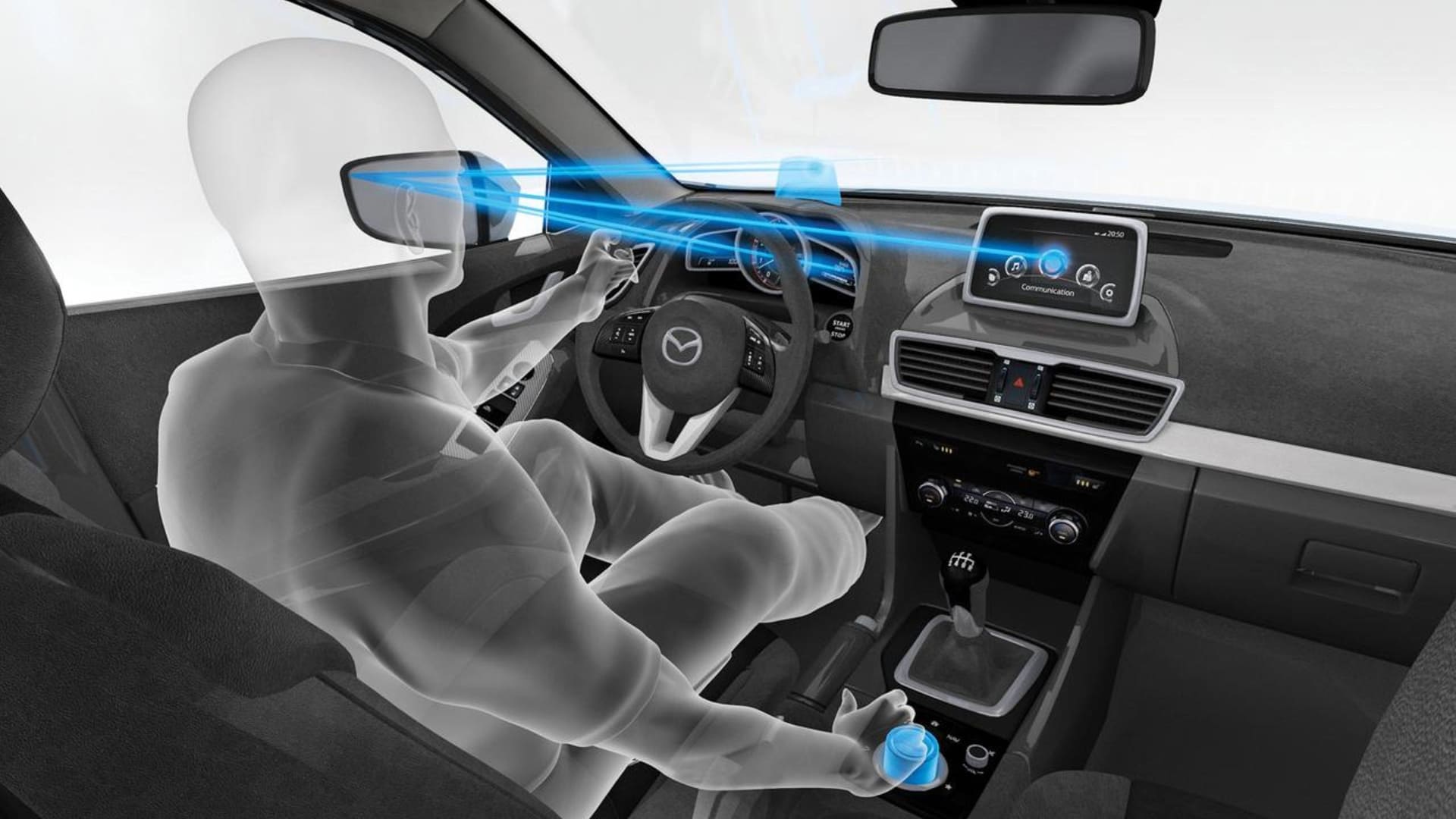
The delegated regulation describes the required functioning in considerable technical detail. The system must monitor the driver’s gaze relative to three cabin zones (defined as Area 1, 2 and 3, the latter corresponding broadly to the area below the windscreen, which includes the dashboard, infotainment screen, gear lever and other controls). If the driver looks away from the road for too long — roughly 3.5 seconds at speeds above 50 km/h, or 6 seconds between 20 and 50 km/h — the system must issue a visual warning, accompanied by an audible and/or haptic signal.
One point worth highlighting concerns privacy protection: the regulation explicitly prohibits ADDW systems from using biometric data to identify the driver. The system may use images from onboard cameras to estimate gaze direction, but not to recognize who is driving, and the data must be processed in a “closed-loop” system, in compliance with EU data protection law.
The rationale behind the provision is rooted in road accident data: the European Commission estimates that between 10% and 30% of accidents in Europe can be attributed to road user distraction, while the US agency NHTSA attributes a significant share of fatal and injury-causing collisions to distraction. According to the preparatory documents, these figures are likely underestimated, given the difficulty of establishing causes after a crash has occurred.
The delegated regulation makes clear this is only a first phase. By July 2027, the Commission will need to develop more advanced requirements that also account for intermittent distraction, cognitive (not just visual) distraction, and driver body movements, keeping pace with the technological evolution of ADDW systems already on the market.
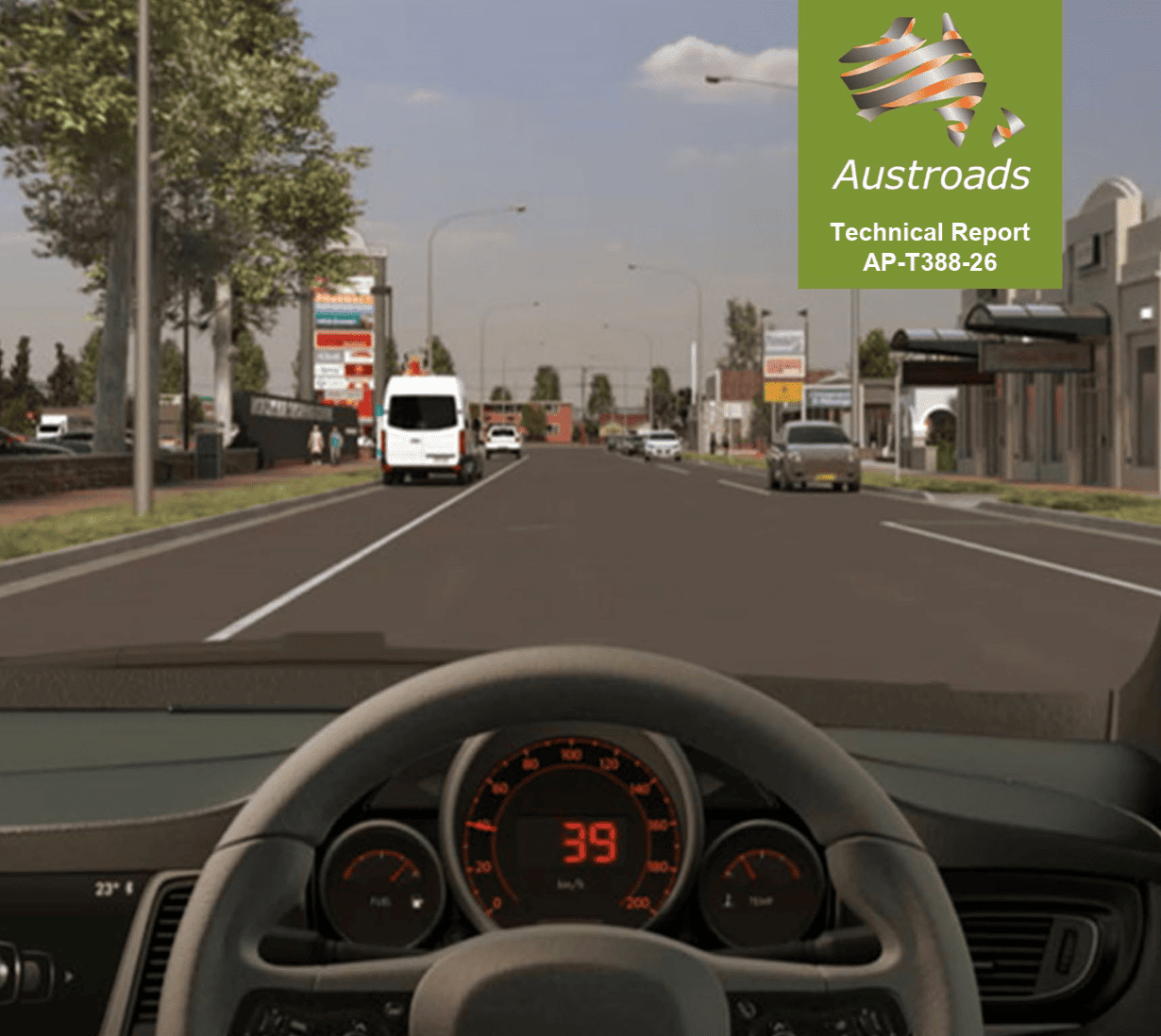
For years, novice driver training focused mainly on vehicle handling. Research now shows that what really makes the difference is a different skill: the ability to read the road and anticipate hazards before they turn into crashes.
The evidence is clear: inexperienced drivers and crash-involved drivers consistently show weaker hazard perception than experienced drivers. This is why more and more licensing systems are introducing Hazard Perception Tests (HPTs), designed to measure this ability before a licence is granted — and to encourage driving schools to give it more attention during training.
But what makes a good HPT? Real footage or CGI? Reaction time or scenario prediction? And what does all this mean for those responsible for driver training?
A new report reviews the most recent scientific literature on these topics, looking at format, measurement methods, item selection criteria, and the link between test performance and road safety.
To help raise awareness among new drivers on this topic, EFA, in collaboration with Jellylearn, has created the Yellow Car Game video: we invite you to watch it on the EFA website homepage.
We also invite you to read the full report to learn more about what makes hazard perception tests truly effective for new drivers.
The third edition (2026) of the Sustainable Urban Mobility Planning (SUMP) Guidelines will provide cities across Europe with improved support to plan, develop and implement sustainable urban mobility.
Over the past decade, SUMP has become a widely recognised and well-applied approach. Hundreds of cities have developed SUMPs, supported by EU policies, funding programmes and a strong community of practitioners sharing knowledge and experience. This has made SUMP a key tool for shaping more sustainable, inclusive and efficient urban transport systems.
The updated SUMP Guidelines are aligned with key frameworks, such as the European Green Deal, the Sustainable and Smart Mobility Strategy and the new EU Urban Mobility Framework. Importantly, the Regulation on trans-European transport networks (TEN-T) now requires 431 urban nodes across Europe to adopt a Sustainable Urban Mobility Plan by end 2027, further strengthening the role of SUMP in transport planning.

Mr. Enrique Lorca, president of EFA, participated in the 12th General Assembly of the Ibero-American Road Safety Observatory, acting in his capacity as president of the Ibero-American Association of Road Safety Education and Training Centers (AICEFOV). Our president emphasized the importance and relevance of driving schools in improving road safety in these countries, and the value of emulating and adopting best practices implemented in Europe. Mr. Lorca also stressed the need for road safety to be a state policy in all these countries. Furthermore, he addressed the need to establish appropriate controls to prevent corruption. High-quality training and rigorous examinations are crucial to ensuring that drivers are safe after passing the exam.
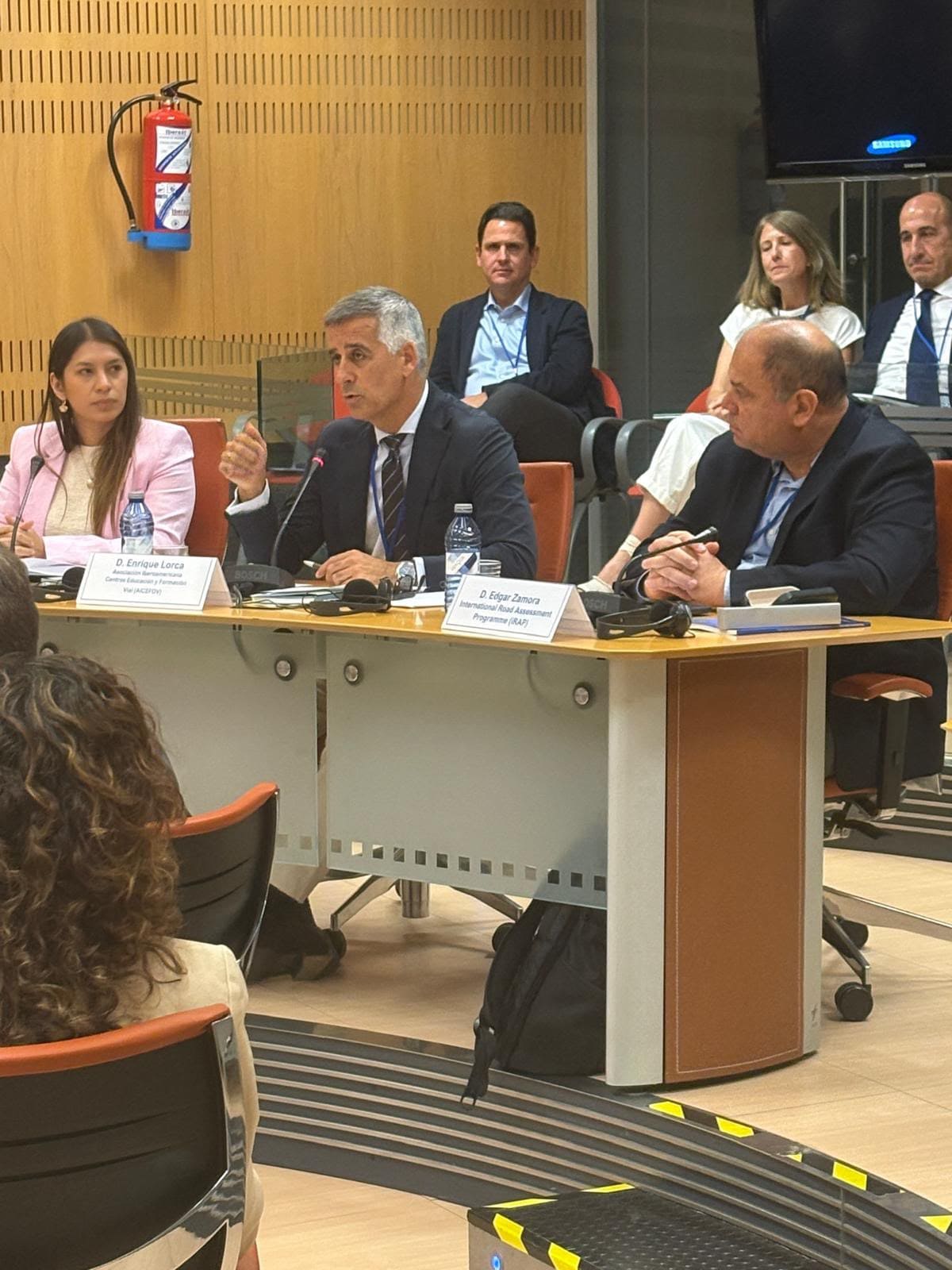
Enrique Lorca

Road Safety Observatory

Road Safety Observatory
The RTR conference has reached a new milestone: its 10th anniversary.
Mark the dates in your agenda: the European Conference on Results from Road Transport Research (RTR) will take place from 23th to 24th February 2027 in Brussels – The EGG!
More information on the programme and the registration will be available after the summer break. Stay tuned!

The global shortage of professional drivers is becoming increasingly difficult to address, as recruitment challenges deepen and changing workforce expectations make long-haul driving less attractive to younger generations.
IRU’s 2025 driver shortage survey found that around 2.9 million truck driver positions, equivalent to 11% of the workforce, remain unfilled across 18 markets. Europe has one of the highest shortage rates, at 13%, representing roughly 502,000 unfilled positions. In almost every market surveyed, the 2025 shortage rate exceeded the 2021 baseline, confirming the issue is now structural rather than tied to short-term economic cycles.
Ageing workforces are a key driver: around 20% of Europe’s driver workforce and 24% of Australia’s are expected to retire within five years. In Mexico and Brazil, structural labour constraints and weak training pathways sustain high shortage rates, while in Uzbekistan and China freight demand outpaces driver supply.
Driver shortage ranks as the top concern for 65% of European operators, four times higher than any other issue, with two-thirds reporting they have turned down contracts for lack of drivers. Women remain underrepresented, accounting for just 4% of European truck drivers.