

Motorcycle Safety: Brno Hosts a Milestone for International Driving Instructor Standards
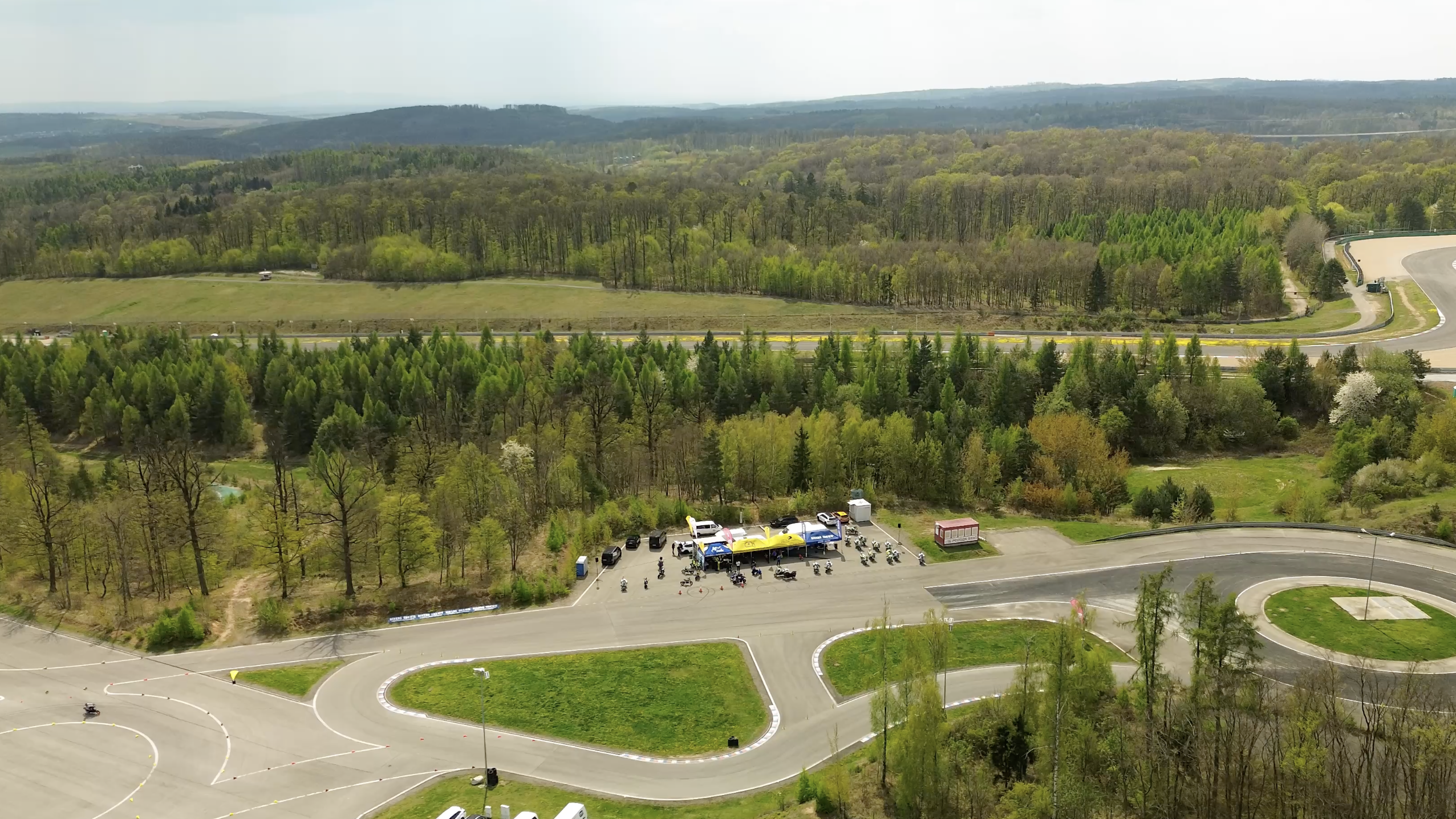
On 17 April, the Brno Polygon hosted the launch event of Let’s Learn to Survive 2026, a Czech initiative dedicated to motorcycle safety training. A day of live demonstrations, roundtables and test rides brought together the Czech Republic Police, motorcycle importers, and international organisations working in the sector.
Among the guests, EFA was invited to present its ongoing work on the International standardisation of motorcycle instructor training — a process drawing direct inspiration from the Czech model, which has built a strong track record over years of hands-on experience.
The event also featured a press conference covering motorcycle accident statistics in the Czech Republic and the prospects for harmonising instructor curricula across the world — an increasingly pressing topic in a sector where the quality of training can quite literally save lives. Watch the video!
EFA presents his Position Paper aftet the CPC Expert Group Meeting, held on the 23rd April 2026
EFA (European Driving Schools Association) presented its positions on three topics discussed at the CPC Expert Group meeting of 23 April 2026.
On the first topic — the extension of the CPC to light commercial vehicle drivers — EFA is in favour. The growth of e-commerce has multiplied the number of van drivers on urban roads, yet these workers operate with no mandatory training requirements. ETSC data show 2,630 deaths in accidents involving light vehicles in 2018 alone, with a high proportion of vulnerable road users among the victims. EFA therefore calls for the introduction of a qualification similar to the CPC for this category.
On the second topic — the recognition of qualifications from non-EU professional drivers — EFA is firmly opposed, citing documented cases of simulated exams. EFA also rejects the intermediate solution of training drivers in their country of origin and then sitting exams in Europe, as this would certify theoretical knowledge but not real skills. Every non-EU driver must be trained and examined within the territory of a Member State.
On the third topic — the expansion of e-learning — EFA acknowledges the usefulness of digital tools as a complement, but opposes their substitution for classroom instruction, drawing on neurophysiological studies from the University of Valencia and Sapienza University of Rome. It proposes capping digital delivery at one third of hours for initial qualification and not exceeding the 12 hours already permitted for periodic training.

Marek Fajčík, Manuel Picardi, Claire Depré e Stefan Ebner

Stefan Ebner

Some participants of the event
Safe Start – Stress During the Driving Exam
Dr. Mindaugas Vilkickas, Head of the Guild of Driving Teachers, Lithuanian member of EFA, participated on 14 April 2026 in an event titled “Safe Start”, organised by Regitra (the Lithuanian driving examination authority). This year’s topic was stress during the driving exam and how to manage it. During a panel discussion, he shared a number of insights supported by the Guild’s members.
According to him, it is important to understand the sources of stress and, where possible, to eliminate or at least reduce them – since avoiding stress entirely is impossible in life, and the same stimulus can trigger different levels of stress even for the same person.
The most fundamental source of stress for a students remains their own insufficient preparation for the driving exam, overestimation of their knowledge and abilities, and a lack of adequate attention and effort during the learning process.
These problems are compounded by the “self-directed learning scheme” adopted and promoted by policymakers. The primary objective has effectively become memorising test questions in order to pass the exam. The absence of mandatory, quality theoretical training leaves future drivers without a solid theoretical foundation and without the understanding that only professionals can impart – namely, how to participate safely in road traffic. This trend produces yet another damaging side effect: it eliminates the need for professional driving theory teachers who play a crucial role in shaping road safety awareness and attitudes.
As if that were not enough, concerns have been raised about practical driving lessons – that teaching in them is more often simulated than genuinely delivered, with the aim of encouraging students to purchase as many additional driving lessons as possible. Thus, the teaching business turns into a business of non-teaching.
On top of this, there are systemic problems created by the examination process itself – problems that the student, unlike their level of preparation, can neither eliminate nor control: an unknown vehicle, limited opportunities to retake the exam due to long waiting times, cases of inappropriate examiner behaviour, and subjective assessment.
Such a combination simply cannot fail to cause stress for the future driver – both before and during the exam.
The Head of the Guild noted that even well-prepared students sometimes fail their driving exam not due to a lack of knowledge or ability, but because they become too caught up in thinking “what if I fail.” In doing so, they lose their connection to the “here and now“ of the exam, lose their focus on performing the right actions, make mistakes, and fail. Sometimes stress arises entirely without cause – when a person convinces themselves they are incapable, even though they are in fact well prepared. This points to other issues related to an inability to manage oneself under stress and to focus on one’s strengths and capabilities. However, these are personal matters for each individual to address and work on.
For those taking the exam for the second time or more, the stress they experience may be further intensified by anger over the lack of objectivity experienced in previous examinations.
To students, the Head of the Guild offered a reminder that preparing for the driving exam requires both personal commitment to studying and an expectation of quality – both in theoretical and practical instruction – from driving schools, as well as a genuine effort to familiarise themselves with the teaching and examination processes and requirements. He encouraged instructors to attend exams alongside their students and to refrain from simulating instruction. And to examiners – that they organise open events where future drivers can find out in advance what to expect, and that the examiners work consistently to eliminate or at least reduce the stress-inducing factors that originate from within the examination system itself.

Lithuanian Event

Lithuanian Guild of Teachers

Edvardas Vanagas and Mindaugas Vilkickas

Mindaugas Vilkickas
EFA Joins the European Wellbeing Initiative: A Shared Vision for Healthier Roads and Happier Lives
The European Wellbeing Initiative – powered by ESPORG and launched with the support of the European Commission and more than 150 stakeholders from across the transport sector – is a not-for-profit movement with one heartfelt goal: to make the lives of professional drivers and transport workers healthier, safer, and more fulfilling.
At its heart is the Wellbeing Pledge – a public promise to place people first and recognise driver wellbeing as a vital part of a truly sustainable future. Through friendly Cross-company Working Groups, organisations come together to share ideas, build understanding, and gently turn shared hopes into meaningful change.
What we are creating together goes far beyond policies or programmes. We are nurturing a Europe where drivers feel genuinely supported – from their very first lessons behind the wheel, through every mile of their careers. A future where wellbeing flows naturally into daily life: where rest areas offer a true sense of welcome, where companies view the health of their teams as their greatest asset, and where every driver learns simple ways to care for body and mind amid the demands of the road.
We envision roads where “a healthy driver is a safe driver” becomes a natural reality. Where new generations of drivers begin their journeys already equipped with awareness and habits that build resilience against fatigue, stress, and the unique challenges of the profession. Where managers see caring for their people as a wise investment that leads to stronger, happier, and more stable teams. And where every part of the transport family – driving schools, parking operators, companies, and drivers themselves – works in harmony to support the human beings who make modern life possible.
This is where EFA’s contribution feels especially meaningful. As the voice of driving schools across Europe, EFA has long believed that quality education lays the foundation for everything that follows. By welcoming EFA to The European Wellbeing Initiative – Ewellin, we ensure that wellbeing becomes part of the learning journey from the very beginning. Driving schools are more than places to master technical skills – they are where future drivers first discover the importance of looking after their own health and the wellbeing of everyone sharing the roads.
True transformation in an industry as vast as transport rarely happens quickly. It often takes generations of steady, thoughtful effort. That is why this partnership embraces a long, hopeful perspective: by gently involving every link in the supply chain, we create a natural flow of care that begins in the classroom and continues throughout a driver’s working life and beyond. Together, we are planting seeds today that will blossom into a warmer, more human culture of transport tomorrow – more consistent, more sustainable, and deeply respectful of the people at its heart.
EFA’s General Secretary Manuel Picardi expressed the shared aspiration: “By training the next generation with wellbeing in mind, we are helping to shape not only skilled drivers, but happier and more fulfilled professionals who will enrich the industry for years to come.”
Druselia Betea, Founder and Director of the European Wellbeing Initiative, welcomed the partnership with genuine warmth: “Driving schools are where safe and healthy driving culture truly begins. With EFA by our side, we can nurture a future where every driver feels valued, supported, and empowered to thrive – both on the road and in life.”

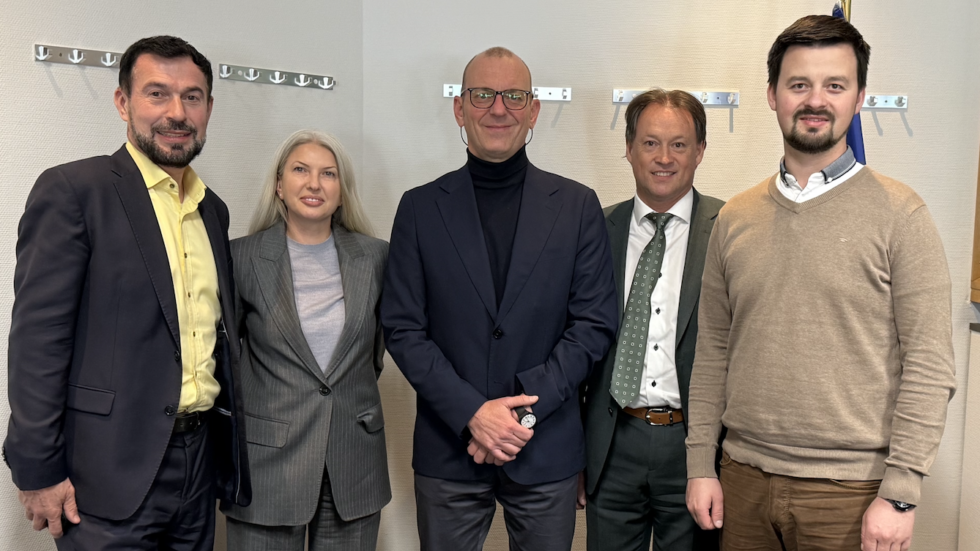
Stefan Ebner, Druselia Betea, Manuel Picardi, Dirk Penasse and Marek Fajčík
Skills Move us Forward: Transport Workforce Skills in the Age of AI
The growing role of artificial intelligence in the transport sector drives demand for new skills while placing pressure on roles that rely on automatable tasks. Workers face mounting expectations to reskill and adapt to a more automated labour market in order to harness AI’s benefits. At the same time, overreliance on AI raises concerns about skill erosion and related risks. Identifying and retaining critical expertise is therefore essential to improving safety and the operational resilience of transport systems. Read https://www.itf-oecd.org/transport-workforce-skills-ai

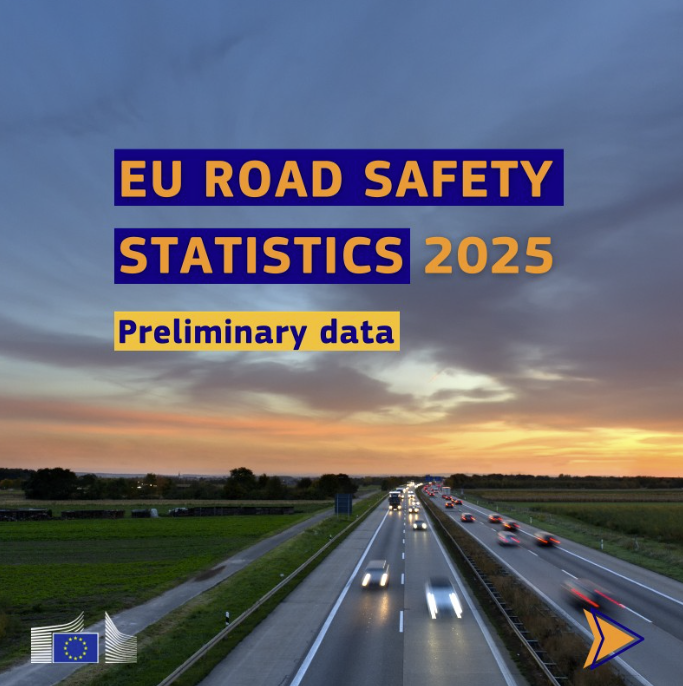
EU road deaths drop by 3% in 2025
On March 2026, the European Commission has released preliminary figures on road fatalities for 2025, reporting around 19,400 deaths. This represents a 3% decrease from 2024, meaning that 580 fewer people died on European roads. Given the increase in vehicles on EU roads and kilometres driven, this is a significant achievement. However, the preliminary data also highlights the need for sustained efforts at all levels as most Member States are not yet on track to meet the EU’s goal of halving road deaths and serious injuries by 2030. Read more at
https://transport.ec.europa.eu/news-events/news/eu-road-deaths-drop-3-2025-2026-03-24_en
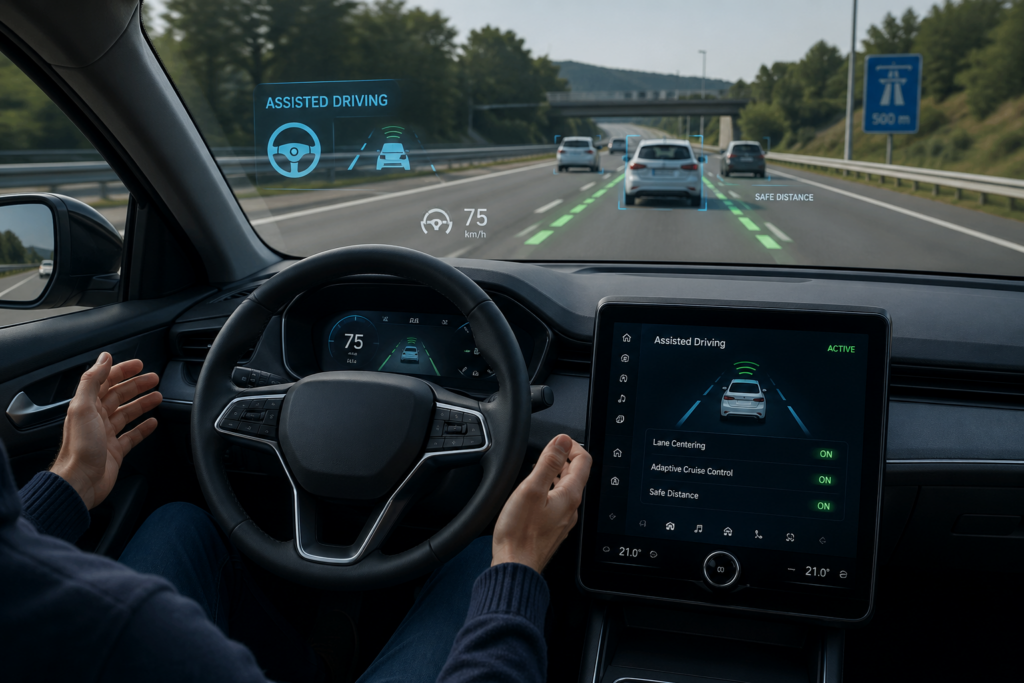
Europe is driving blind into the era of assisted driving
In the near future, a new generation of so-called “Level 2++” vehicles will begin appearing on European roads. These systems can steer, accelerate, brake and even carry out overtaking manoeuvres without any direct input from the driver. With the EU’s adoption of UN Regulation 171 on driver control assistance systems (DCAS), many of the regulatory limits on assisted driving have effectively been removed. Read the ETSC Executive Director, Antonio Avenoso, full article
Europe’s cyclists left behind as safety gap widens, new ETSC report finds
A landmark report published today by the European Transport Safety Council (ETSC) reveals that cyclist deaths across the European Union have barely declined over the past decade – even as deaths among car occupants have fallen at four times the rate. The report calls for urgent action on motor vehicle speed reduction and separated cycling infrastructure to close a widening safety gap.
In 2024, 1,926 cyclists were killed on EU roads. Over the decade from 2014 to 2024, cyclist deaths fell by just 8% – an average annual reduction of only 0.5%. By stark contrast, deaths among motorised road users fell at an annual rate of 2%, four times faster. Read more at: